3 Day Toronto Itinerary: What to See and Do
Toronto, the largest city in Canada, is one of the most culturally varied urban destinations in North America. Toronto’s main sights are spread across the downtown core, the waterfront, and several neighbourhoods, so a short trip works best with a day-by-day travel itinerary that groups the nearby areas together.
This 3 day Toronto itinerary is intended for first-timers and will cover the city’s highlights, building on the attractions covered in Best Things to Do in Toronto. The optimal use of the itinerary will be for walking, quick transit, and a variety of landmarks, neighbourhoods, food, and more.
Day 1: Toronto’s Downtown and the Waterfront
Morning: Downtown Core & CN Tower
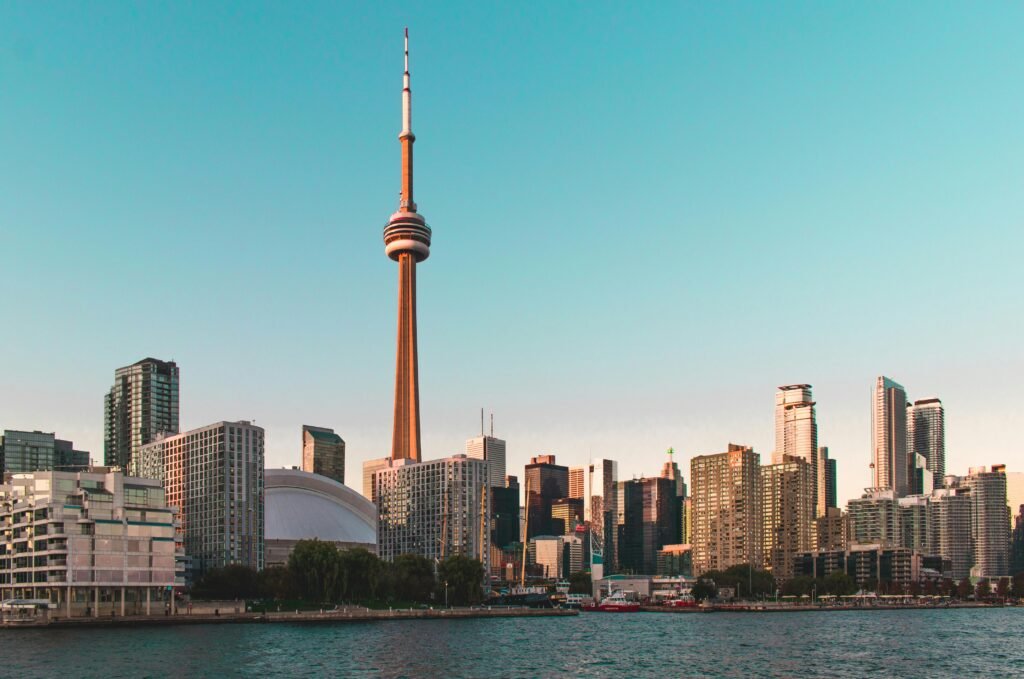
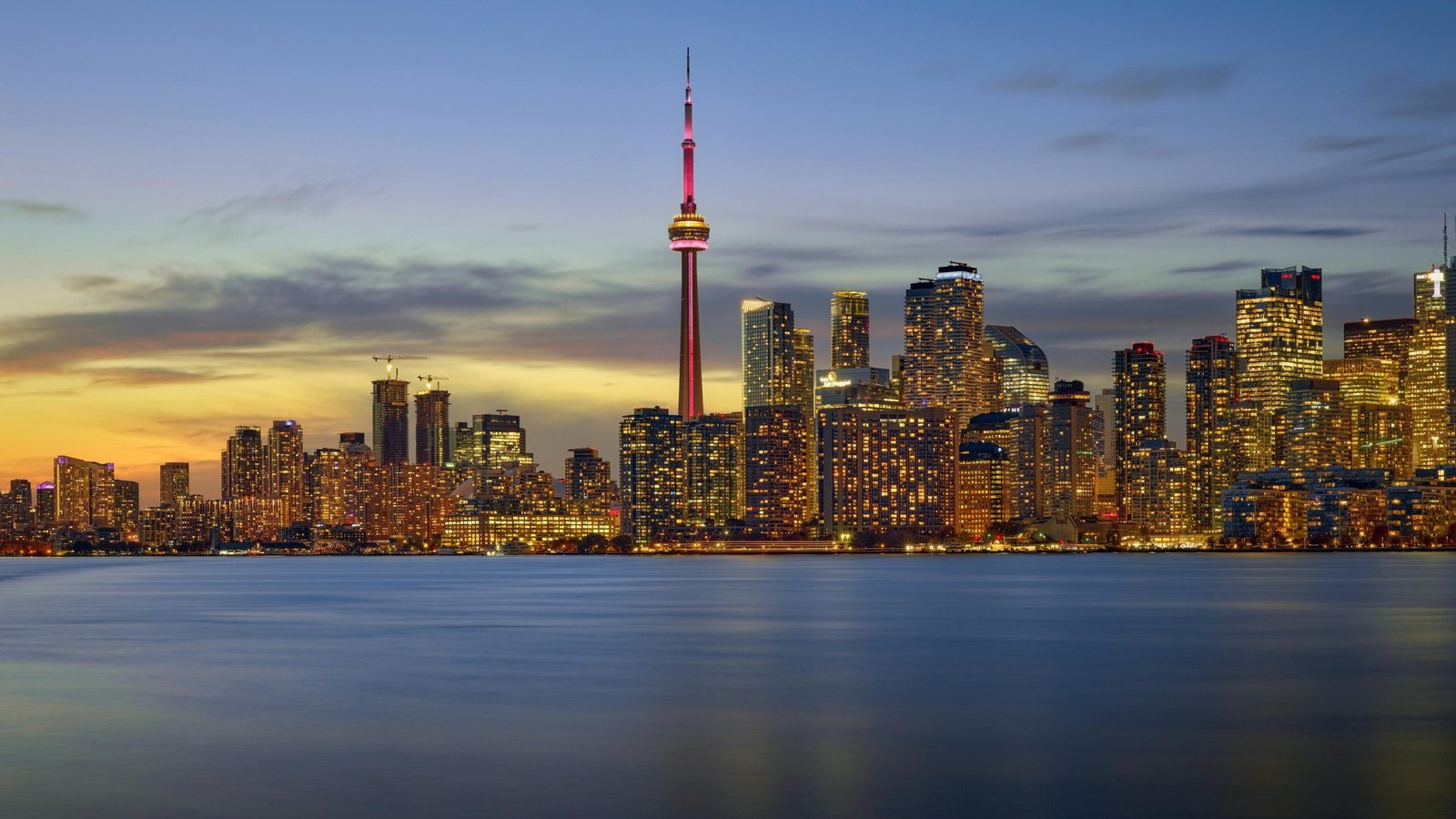
The morning centres CN Tower and the Downtown Core. This part of the city is home to several landmarks in a compact area, including the CN Tower with its 360-degree views of Lake Ontario and Downtown Toronto.
The tower and most of the attractions in the Downtown Core are walkable, so that visitors can see them in any order.
Late Morning: Walk along the Harbourfront
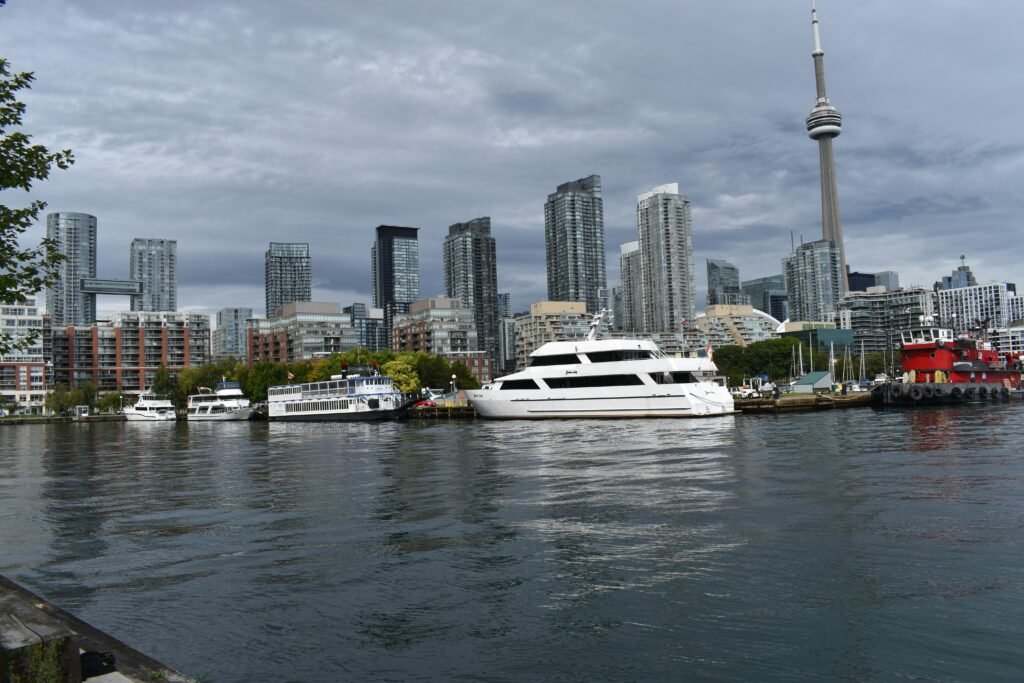
A little south of the CN Tower is Harbourfront, where tourists first experience Toronto’s waterfront. A walk along the water’s edge is relaxing and opens up new views, along with art installations and ferry docks (which lead to the Toronto Islands). This area works well for a short and scenic escape between attractions.
Early Afternoon: Ripley’s Aquarium of Canada
Ripley’s Aquarium is right next to the CN Tower and pairs easily with a downtown itinerary. Because of its compact layout, visitors do not need to spend much time here, making this a practical stop rather than a place to spend the whole day.
Afternoon: Old Town and St. Lawrence Market
For a different ambience and lunchtime suggestion, head east to St. Lawrence Market, a famous food hall enjoyed by both tourists and locals. The Old Town area surrounding it features a variety of historic structures and more subdued roads, a contrast to the modern downtown.
Evening: The Distillery District
Conclude the day at the Distillery District, a unique pedestrian-only zone with strikingly preserved industrial buildings and a variety of galleries and eateries. The district is especially atmospheric at night, with its twinkling lights, and after a long day, its unique atmosphere is a great way to unwind.
Day 2: Exploring Neighbourhoods, Culture, and Shopping
Morning: Kensington Market
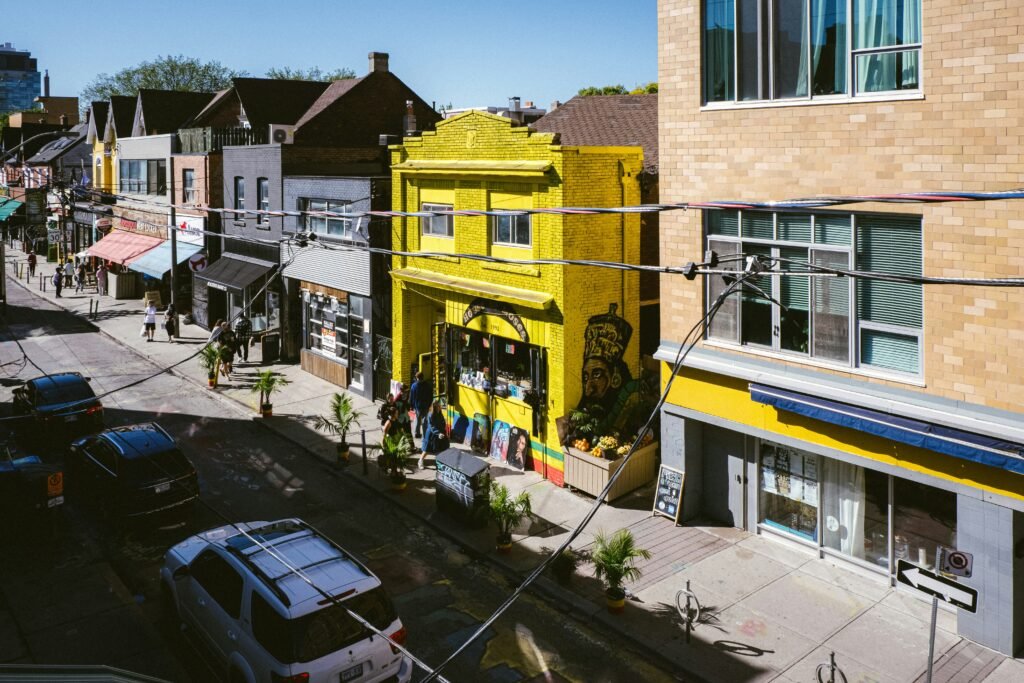
Kensington Market is known for its unique neighbourhoods thanks to its independent shops and variety of international cuisines. The area is entirely walkable, with numerous smaller cafes and market stalls clustered in an easy-to-navigate, few-block area.
Visiting Kensington Market in the early hours of the day makes one appreciate the neighbourhood’s everyday activities without the area getting crowded or busy.
Late Morning: Chinatown & Queen Street West
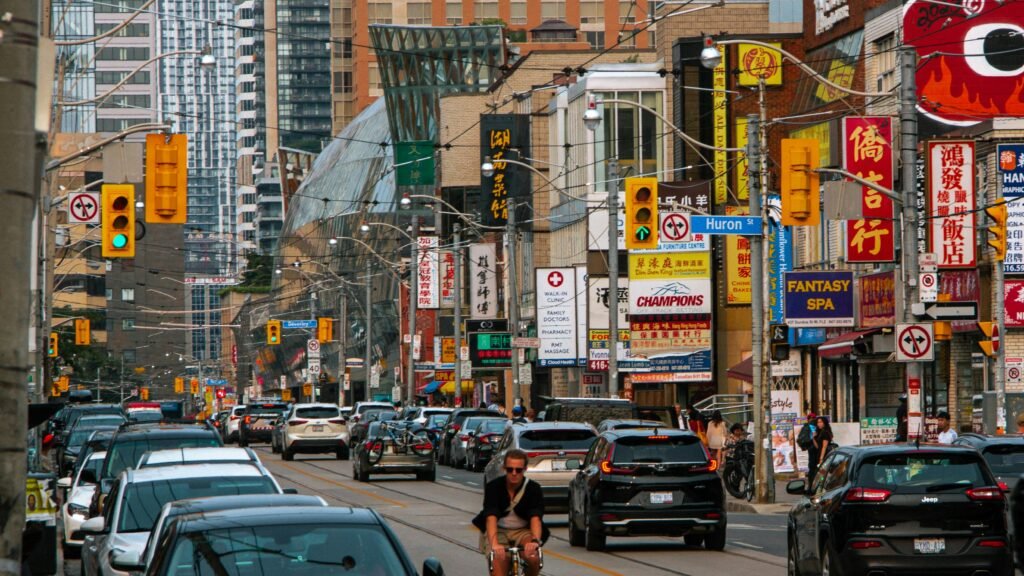
East of Kensington Market is Chinatown, which can easily be explored on foot in a short time. Street-level activity, restaurants, and grocery stores show the area’s long-standing cultural presence in the city.
Continuing South toward Queen Street West, there is another shift in the atmosphere. This part of the city is home to independent boutiques and murals. These also provide a glimpse into Toronto’s contemporary art and retail scene.
Afternoon: One Important Museum
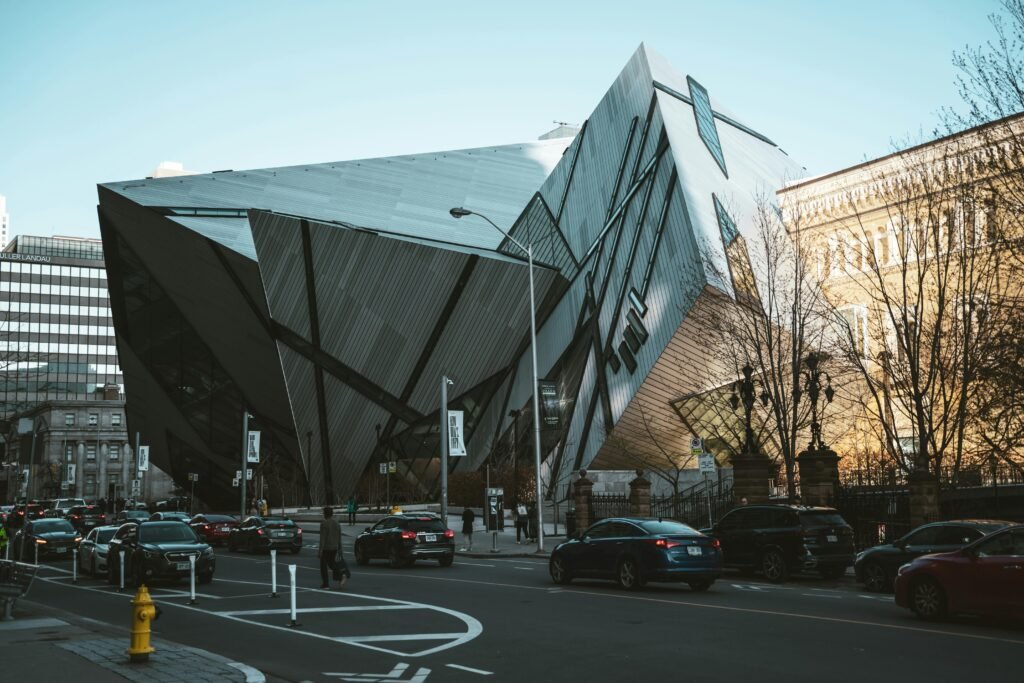
One cultural location can be visited in the afternoon. Choices include the:
Royal Ontario Museum (ROM): focuses on history, science, and world cultures
Art Gallery of Ontario (AGO): specialises in Canadian and Global arts.
It is more worthwhile to spend hours in one museum than to rush through multiple locations.
Evening: Food in Downtown Toronto
Toronto’s varied cuisine mirrors its diverse population, with areas like King Street West offering a range of casual and fine-dining options in a walkable, easy-to-navigate evening setting.
Day 3: Nature, Views, and a Slower Pace
Morning: Toronto Islands
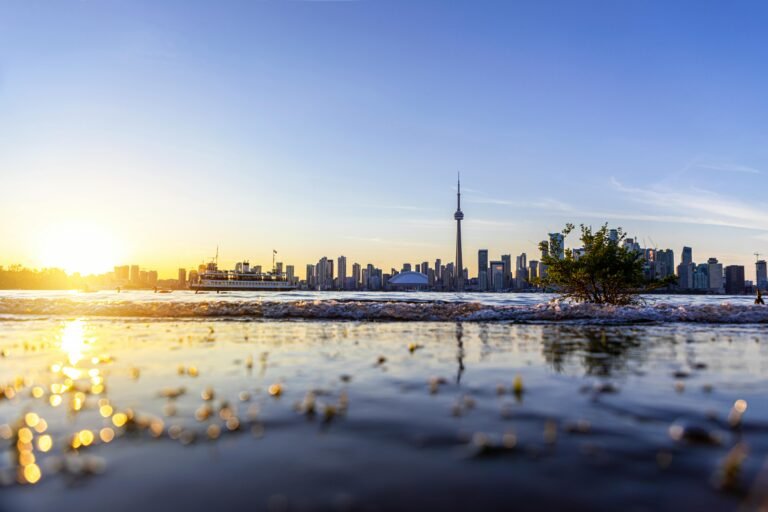
To start the last day, take a ferry to the Toronto Islands. Some of the best skyline views of the city are from the islands, which have walking paths, beaches, and peaceful, green areas. Despite their closeness to downtown, the islands are removed from the city’s hustle.
Afternoon Option 1: High Park
The largest of Toronto’s parks, High Park, is home to beautiful walking trails, gardens, and grass areas to relax. If you want to see the city and spend some time outdoors, High Park is a better option.
Afternoon Option 2: Yorkville
Yorkville offers a more elegant experience, with small shops, coffeehouses, and cultural attractions. This choice is more suitable for visitors who want to do some light shopping and/or people watching in an upscale environment.
Evening: Waterfront Walk and Sunset
To end the trip, take a walk on the waterfront by the Harbourfront. This is a nice way to relax, and watching the sunset on Lake Ontario is a calm way to end the itinerary. If you want a final dinner with a view of the city, you can do that too.
Getting Around Toronto
Toronto is a pedestrian-friendly city, especially if the visitor is staying in the downtown core. The city is navigable without a car, as the distance between major attractions is short enough to walk. That allows the visitor to complete a large portion of the itinerary on foot.
The Toronto Transit Commission (TTC) operates Toronto’s public transit system. They offer streetcars, buses, and subways that connect the major attractions and neighbourhoods. Their subway service is especially good for travelling out of downtown into Midtown or the west/east ends of the city.
In the evenings, or if you are taking a short ride, you can use the widely available ride-share services. From downtown, you can reach Toronto Pearson International Airport, which is well-connected to the city, by public transit or airport rail links. All of these options are available for your arrivals and departures as well.
The transit services and airport connections are detailed more in the Getting Around Toronto guide.
Where to Stay for This 3-Day Toronto Itinerary
This 3-day Toronto itinerary is best suited to accommodation in Toronto’s downtown core. This way, the travel time is reduced, and all the major hotspots, dining areas, and transit options are easily accessible.
Downtown Toronto, the Entertainment District, and the waterfront areas around Harbourfront and King Street West are all suitable accommodation options, as they align with this itinerary.
First-time visitors will find it easier to book accommodation in the downtown core, as it is the simplest option and keeps all daily routes easily accessible by foot or a short subway ride. The Where to Stay in Toronto guide explains how different neighbourhoods suit various travel styles and priorities.
Is 3 Days Enough Time To Visit Toronto?
In three days, an overview of what Toronto has to offer can be achieved, meaning that the most prominent attractions and areas of the city can be experienced, while also having the time to wander off the beaten path to explore lesser-known areas, grab a bite to eat, or take a relaxation break to recharge.
If the goal of the visit is to gain an understanding of Toronto’s central aspects, the three-day time period is sufficient. If, however, the goal is to experience more of the outer areas of the core city, a more extended time period would be needed. For those who would like to plan an outer core city exploration while also keeping the opportunity of making some quick day trips from Toronto, they can easily extend their visit to Toronto.
Final Thoughts
This 3-day Toronto itinerary covers the city’s key attractions and neighbourhoods with an emphasis on efficient routing and realistic pacing.
Toronto is a city of contrasts: its downtown and waterfront, as well as its historic and modern neighbourhoods. Its size and variety can be overwhelming, but this itinerary will help you appreciate its balance.