Best Time to Visit Ottawa: A Month-by-Month Breakdown
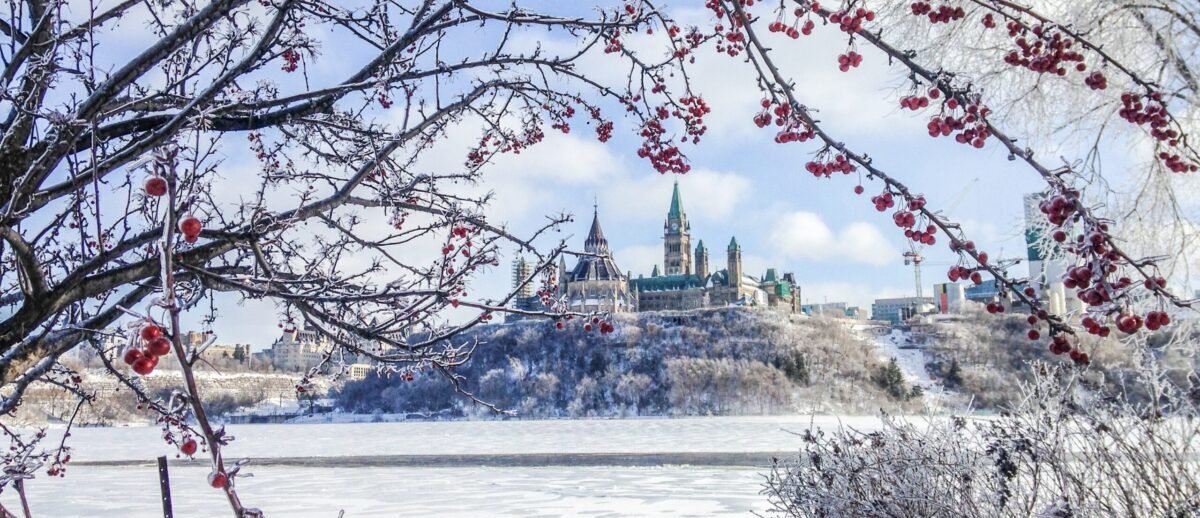
As the capital of Ontario, Ottawa experiences some of the most dramatic seasonal shifts in the province. It behaves differently in winter than in summer, which is more than you can say for most Canadian cities. In July, the patios spill onto the sidewalks, and Parliament Hill is buzzing with visitors. The Rideau Canal becomes a skating highway in the middle of the city, yes, only in February, and you’ll see people with skates slung over their shoulders like it’s a normal commute.
Because of that contrast, there isn’t a single universal best time to visit Ottawa. The best time, of course, depends on what kind of trip you’re looking for. If you’re looking for festivals and warm nights? Fewer crowds and lower prices? Fall colors and walking weather? Or a Canadian winter experience that you won’t forget for years to come?
This guide breaks it down month by month so you can pick the perfect season for your preferred travel style. As you plan, consider linking the season to your itinerary. Two days in Ottawa can look remarkably different in February than in July, and the best place to stay in Ottawa will depend on whether you want everything within walking distance or are willing to be indoors-connected and ready for speedy transit.
Ottawa Weather and Seasons Explained
Ottawa has four unique seasons that transition abruptly from one to another. The winter season is long and cold, with days that are just bone-chilling. Spring arrives gradually and, at first, can be messy, but quickly turns beautiful. Summer is warm and features a variety of events, while in the fall, the weather is crisp and often comfortable enough for a lot of walking.
The best part of Ottawa’s seasons is how they impact the city’s experiences. In the Summer, Ottawa is outdoors. There are parks, patios, and festivals. In the Winter, things shift. Indoors become the focus, and warmer attractions are used alongside skating and other street activities. It is even more concentrated as the focus shifts to warm restaurants, indoor markets, and museums.
Knowing this can simplify the experience of Ottawa throughout the seasons. You’re not just choosing weather. You’re choosing the version of Ottawa you want to experience.
Spring in Ottawa (March to May)
Ottawa in spring is a matter of patience, and it’s the season people are most deceived by. On the calendar, March is spring, but it doesn’t feel like spring. You’ll have cold air that hangs, patches of snow, and sidewalks that alternate between dry and slushy by day. The city is still in “winter mode,” and if you’re visiting then, you’re bound to spend more time indoors than you thought when you booked a “spring trip.”
April is the transition month. And it’s not just about the temperature, but about how a city feels. Some days are bright and clear, and you see people sitting outside with coffee wherever the sun is shining. On other days, the wind and rain snap back into place, and you find yourself wondering why they all dress in layers even when things look promising. If you go in April, schedule a trip that is good even when the weather is bad: museums, galleries, markets, and neighborhood cafes. Ottawa is great for that sort of go-with-the-flow visit.
And then May comes, and Ottawa is vibrant and bustling once more. This is when the city begins to resemble what the Ottawa people imagine.
The Canadian Tulip Festival is the biggest spring highlight. What does that realistically translate into? It’s not a “small local garden thing.” There are vast expanses of flowers (like in Commissioners Park around Dow’s Lake, with long rows of tulips in different hues), and people wandering slowly through, snapping photos and taking it all in. Time of day: You will see photographers, families, and couples seeking soft light in the early morning hours. If you visit on a weekend, prepare for crowds and slow-moving foot traffic around the most iconic stretches. If you come on a weekday morning, it’s more subdued, and you can actually linger.
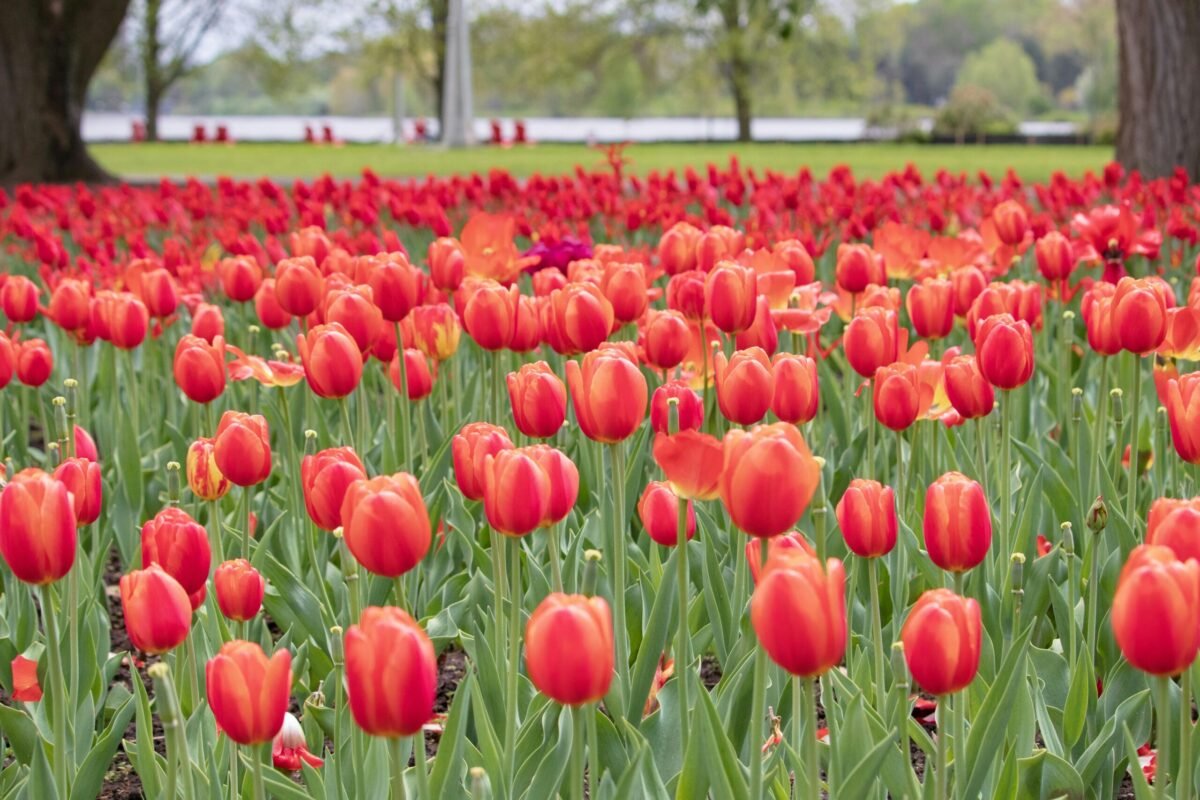
Spring is often more affordable than summer, especially before peak tulip weekends, though the weather still can’t be trusted. Spring is equally the best season for “Ottawa feels local” travel: you can easily walk around quiet neighbourhoods, have an easy reservation at a restaurant, or enjoy the best museum time periods.
Summer in Ottawa (June to August)
Summer is the best time to visit Ottawa for the first time, generally from June to August.
June is often the sweet spot. The air gets warmer, days are longer, and the city’s outdoor spirit is back. People walk along the Rideau Canal pathways; bikes and boats are rented, work late, and eat on the busy summer patios of the ByWard Market, still full far into the night. Ottawa’s summer is not chaotic, like in many larger places, but steady; it’s neither busy nor crowded, nor sleepy nor silent.
July is the high season, and Canada Day is the one that moves the schedule.
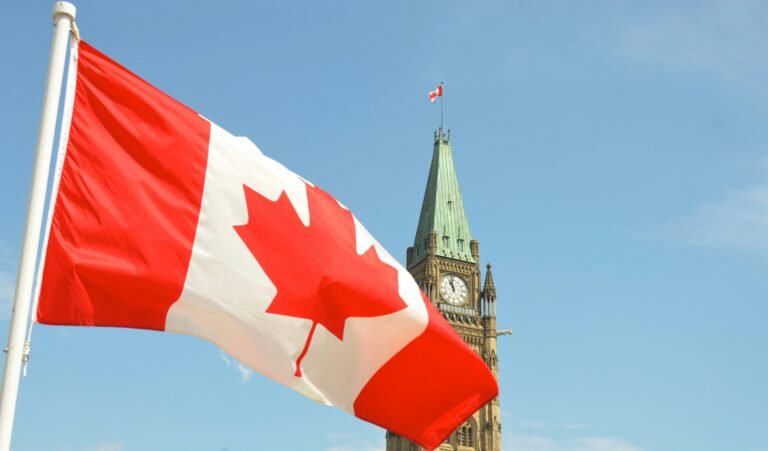
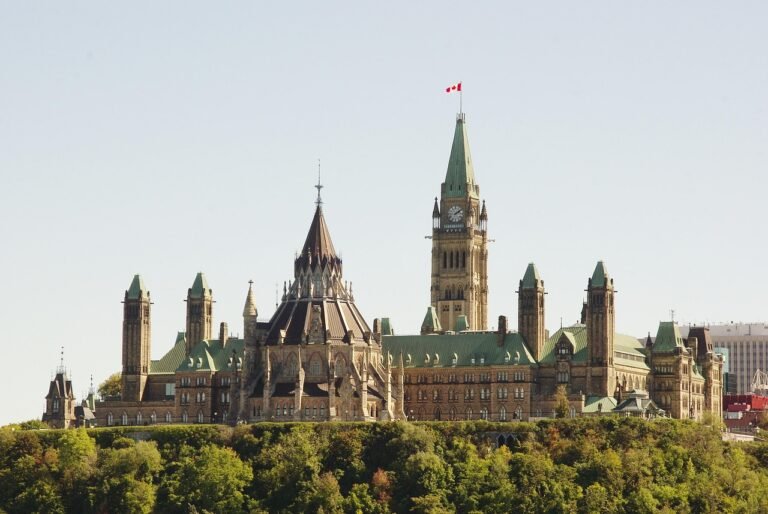
Canada Day in Ottawa is not a small local holiday. As the national capital, Ottawa has one of the biggest Canada Day shows in the country. How does it sound? The entire downtown turns into a party space. Everyone dresses in red and white, and there are too many people on the streets and in large public places. There are various activities centered on landmarks such as Parliament Hill and major parts of downtown, from concerts and official ceremonies to entertainers and stage sets. It feels like a downtown festival: lots of security, barricaded checkpoints, people getting up early to get the best spots, public transit and key walking zones seeing peak movement, hotels getting very expensive, and restaurants and cafes near busy areas full.
If you love big crowds and don’t mind the atmosphere, Canada Day is amazing. If you hate crowds or are looking for a chill museum and neighbourhood vibe, don’t go during Canada Day week.
Other than Canada Day, July and August are Ottawa’s classic summer months: waterfront walks, balmy evenings, patios, and day trips. When you’re crossing into Gatineau Park, summer makes it easy. Trails are clear. Views are green. You can schedule without fear of snow or of daylight vanishing early.
August tends to be a bit less frenetic than July, but it’s still far from sleepy. It’s also the time when humidity can roll in. Ottawa can have days when, while walking outside, the air feels heavy. It remains a great city, but it shapes your day differently. They do what I call “active morning, indoor midday, outdoor evening.” That might include: a stroll along the canal, a visit to the museum, a hangout during the hot middle of the day, and tucking into dinner on the patio when the sun has sunk.
Summertime is one of the most convenient times to visit the city when traveling with family. The weather is warm, so everything is operational. You can opt to walk to various activities and build attraction schedules without battling the weather. Before you plan your days, check out our Things to Do in Ottawa for all the iconic sights, museums, great outdoors, and seasonal activities.
The downside is price. Summer is peak season for hotels and flights.
Fall in Ottawa (September to November)
In the fall, Ottawa gets quietly perfect.
In September, we experience a calmer, more laid-back version of summer. The air is still warm enough for long walks, and the pleasant Ottawa sun will not drain your energy. The softening of light enhances the city’s natural beauty and creates a vibrant atmosphere. The crowds have thinned, making reservations for dinners and museum visits more accessible. Walking in central areas becomes a pleasant breeze rather than a sweaty chore.
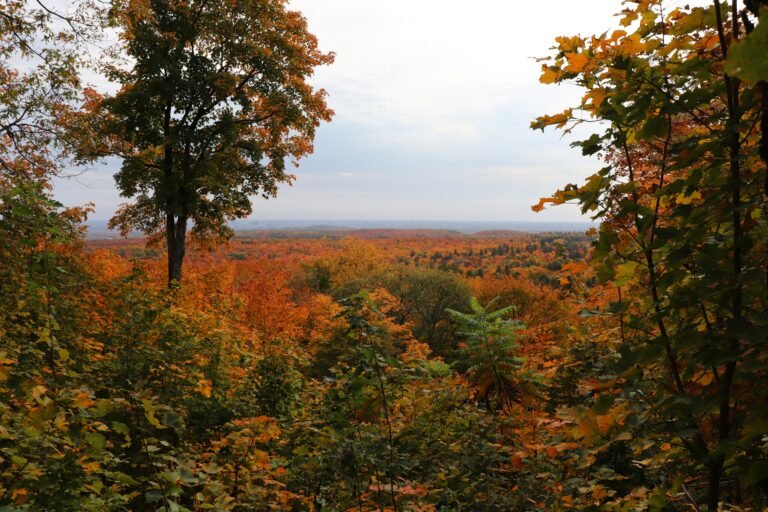
The season of October offers the most stunning visuals of nature; the golden light captures the true essence of fall, the changing colors of the leaves. The most perfect fall visuals of Ottawa are from Gatineau Park, just across the Ottawa River. Traffic may be heavy on the way to Gatineau Park in the fall because of the gorgeous foliage. Most people go for fall color poses and photos from early to mid-October. The downtown/city fall visuals of Ottawa are gorgeous, especially with the gold and changing leaves of Gatineau Park. The fall foliage is wonderful at this time in mid-October. Crisp fall visuals embody the golden hour light in the afternoons and the newly changed leaves.
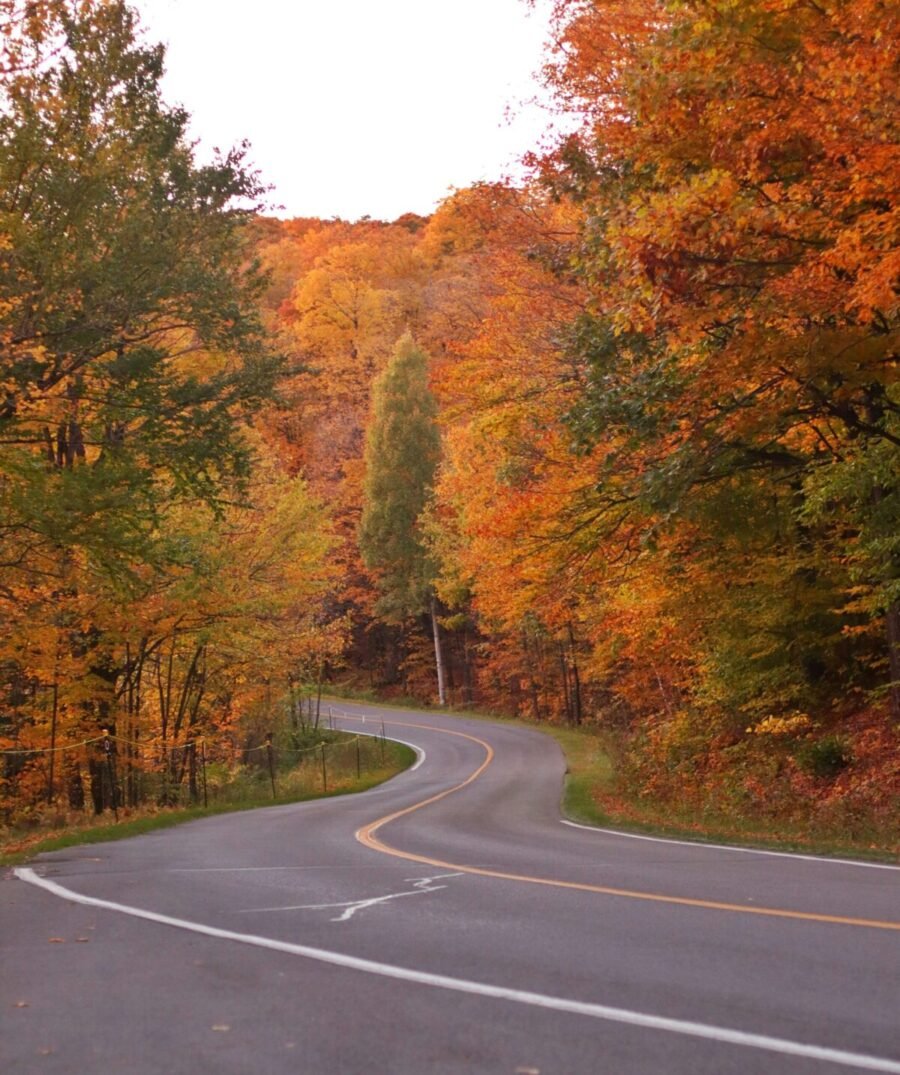
What makes fall so nice is how it enables the best kind of Ottawa travel. It’s best to walk when the weather cooperates. Fall offers you long walks minus oppressive heat, less intense jostling than in summer, and scenes so picturesque they make even basic neighbourhood wanderings feel extraordinary. For a deeper look at each area, see our Ottawa Neighbourhood Guide.
November is the transition month. The leaves are mostly off the trees, the air is colder, and the city is quieter. But it can be a month with great value. Museums are relaxing, and hotel rooms are generally less expensive than during high season. If your visit is more about culture, museums, galleries, and cozy restaurants than about nature credits, November can be a strategic choice.
Winter in Ottawa (December to February)
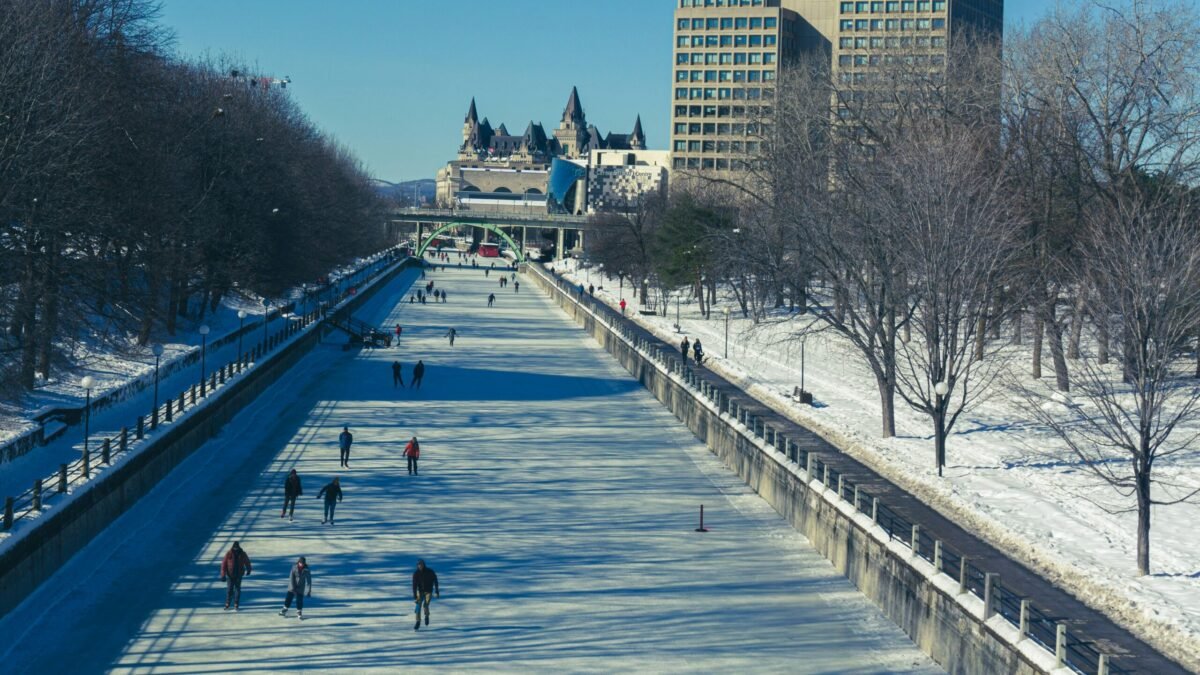
Ottawa has a long history as a winter city, with its cold months defining the snowy, icy capital.
Observe how Ottawans adapt their daily lives, moving and dressing with the utmost practicality, sporting winter boots, thick parkas, gloves, and hats. The city has cleared the sidewalks, and the surrounding frozen ponds require extra care when taking the route, as the thaw-freeze cycle creates a glassy surface. With winter, the long summer days come to an end, and as winter days are shorter, daylight is reduced.
That said, Ottawa does provide some activities that cannot be experienced in the warmer months.
The Rideau Canal Skateway is the main attraction of Ottawa’s winter experience. The skateway becomes a city tradition, merging pathways with winding roads, and then becomes a route with a purpose as groups, families with children, and couples take slow evening skates. They will even use the canal as a winter pathway. The real winter culture of the skateway remains undisturbed by commercial tourist attractions, with places to warm up and buy food along the way.
Then, there’s Winterlude. What does this mean for a visitor? It means a winter festival ambience with ice sculptures, winter activity zones, food stalls, and outdoor programs that make the cold feel part of the fun. It’s a festival-like event that takes place outdoors for a couple of hours, so patrons are encouraged to dress for the occasion and wear warm clothing, with the expectation of being rewarded with warm food and drinks indoors afterward. The atmosphere is festive and family-oriented. It transforms winter from cold and harsh to enjoyable.
January is the quietest month. Post-holiday season, tourism drops. Hotels often end up significantly dropping their rates. If you endure the biting winter, January in Ottawa offers museums, food, and a slow pace, making it the best-value month.
February is similarly cold but has a more alive feel because winter activities reach their peak during this month, and the window for skating on the canal is usually the longest.
December is also cold, but there is a sense of holiday cheer and celebration. This month typically also includes a blend of indoor and outdoor activities. The late-December period around New Year’s is typically the busiest and most expensive time to visit Ottawa.
For those wanting a true Canadian winter experience, winter is the ideal season for travel. As long as travellers dress for the weather, they won’t be bothered by icy sidewalks or heavy coats. However, it won’t suit people who don’t like planning their day around warming up.
When Should You Avoid Visiting Ottawa?
While there is no bad month, some months offer travel experiences that are better or worse.
There are months where the weather is gray and bleak. In late March to early April, the weather is cold, the snow is melting, and everything is slushy. During this time, even the parks aren’t green, so there aren’t many good photo opportunities, and it feels like the whole city is waiting for spring.
If you are sensitive to the cold, mid-January can feel very harsh. Ottawa’s cold is not just about the temperature; wind becomes a factor, and it can feel even worse when doing some outdoor sightseeing during the colder months.
For those who dislike crowds and high prices, steer clear of the week with Canada Day and the high-peak weekends in July. Ottawa in those times is still great, but there are a lot of crowds, and you pay more.
When Is Ottawa Most Expensive to Visit?
Prices are at their peak during the full summer (particularly July and early August), when Ottawa is hot and humid.
Canada Day is a major contributor to higher hotel prices and increased flight demand, as people travel to the capital to take part in its celebrations.
September can be more expensive during peak events and the best-weather weeks, but usually not as bad as July.
If you are trying to spend as little money as possible, May, the end of September, and November are the best times to do so while still having the best time.
January and February (between Winterlude peaks) are usually the least expensive times to book a hotel room each year.
Major Festivals in Ottawa by Season
Ottawa’s festival calendar is important because it shapes the city’s perception and mood.
The Canadian Tulip Festival in May is the festival’s signature for spring. It is a festival that makes for great pictures and memories and helps tourists create a unique experience in the city.
In July, we celebrate Canada Day, which is a great “Ottawa as the capital” experience. Get ready for a celebration on the streets and a parade near the national monuments.
In February, it is the winter festival season, and we celebrate Winterlude. Canal skating culture is the city’s main experience. By this, we mean we get visitors to come to the festival rather than endure winter.
Summer also brings a steady stream of outdoor events, markets, and programming that make the city feel social and open-air.
When Can You Skate on the Rideau Canal?
Skating on the Rideau Canal is most viable between late January and the middle of February.
Because winter temperatures fluctuate, the Rideau Canal is highly dependent on freezing conditions to determine the length of the skating season, so the season can vary each year. For travelers, plan your trip for February. Due to the long season of variation, travelers should be prepared with flexible plans to ensure the trip is worthwhile.
When Is the Quietest Time to Visit Ottawa?
The best times to visit Ottawa for a more relaxed, local feel are late April and May (outside tulip festival weekends), late September, and early November.
January can also be a quiet time to visit; however, it can be considered winter quiet. While the city is quieter, it is much colder, and you will have to travel in the cold.
These times are best if you want to enjoy the neighbourhoods, visit museums without long waits, and find more accessible restaurants, rather than feeling competitive.
Final Verdict: When Is the Best Time to Visit Ottawa?
Late September is likely the best option if you’re looking for a balance of comfortable weather, reasonable crowds, and a lively atmosphere that’s not overwhelming.
June is perfect if you would like warm days, patios, and an easy, do-everything-outdoors type of trip.
If your priorities lean towards budget travel and you can handle a quieter city, January and November will offer the best travel value.
If you want a quintessentially Canadian winter, February is your month to travel for a trip centered on canal skating and winter festival vibes.
Ottawa is a multi-faceted city with at least four different personalities. It is up to you to decide which personality of the city resonates with you the most.
Once you’ve selected your season, it’s all about planning and executing right: either pair a neighbourhood base that suits your travel style with the good stuff from Things to Do, Where to Stay, and your Ottawa itinerary pages, so your trip feels like one smooth pursuit rather than a scatter shot of many.
FAQ
What is the cheapest time of year to visit Ottawa?
The months of January and November are historically the cheapest times to visit Ottawa because hotel rates are lower, fewer travelers are there, and airline tickets are cheaper (excluding major holidays and festivals).
Is Ottawa too cold to visit in winter?
Ottawa winters are cold and often drop to below −10°C, but winter clothing makes them manageable. The city is fully operational, and winter attractions, museums, and seasonal events are open throughout the winter months.
How many days do you need in Ottawa?
You will need two to three days to visit all of Ottawa’s major attractions and museums, and visit all of the neighborhoods at a comfortable pace without feeling rushed.
When is tulip season in Ottawa?
The tulips in Ottawa bloom in early to mid-May. There’s the Canadian Tulip Festival that celebrates all the blooming tulips at Dow’s Lake and Commissioners Park.
Is summer or fall better for visiting Ottawa?
Summer offers festivals and longer days, but fall offers cooler temperatures, fewer crowds, and spectacular fall foliage. This makes September and October ideal for relaxed sightseeing.
When does the Rideau Canal open for skating?
The Rideau Canal Skateway opens between late January and early February during a season of consistent freezing temperatures that can provide safe skating ice.
What is the rainiest month in Ottawa?
June is generally the rainiest month in Ottawa, though rain typically comes in short showers rather than lengthy downpours that disrupt travel.
Is Ottawa crowded during Canada Day?
Yes, Ottawa is extremely crowded on Canada Day. In particular, the area around Parliament Hill becomes a high-traffic zone requiring additional security, and the event schedule will increase demand for lodging in the region.
What is the best month for photography in Ottawa?
October is one of Ottawa’s great months for photography. There are fewer people. The soft light and fall leaves are great for a wide variety of photos.