3 Days in Ottawa Itinerary (2026): The Complete Travel Guide
An effective 3 days in Ottawa itinerary does more than jumble stops between points of interest; it weaves an understanding of the flow of Canada’s capital into the trip. Ottawa is not loud, it does not try to draw attention to itself like Toronto, and it does not immediately enchant like Montreal. Ottawa’s secrets reveal themselves over time and with the right food, strong culture, waterways, stone buildings, and political intrigue.
If you follow the itinerary, you will experience the city as it is meant to be: without rushing, without missing the obvious things, and without ending the trip feeling inexplicably distant.
If you have not already, now is the time to open the main Ottawa travel guide. This itinerary builds on and flows into deeper resources across the site.
If you are still deciding when to plan your trip, read the full guide on the best time to visit Ottawa before locking in dates, as the city feels dramatically different in summer, fall, and winter.
Day 1 of Your Ottawa Itinerary: Exploring Parliament Hill and the Capital Core
The first day focuses on the overall feeling. Today, you are stepping into the symbolic heart of the nation.
Parliament Hill in the Morning: Why It Defines Ottawa’s Identity

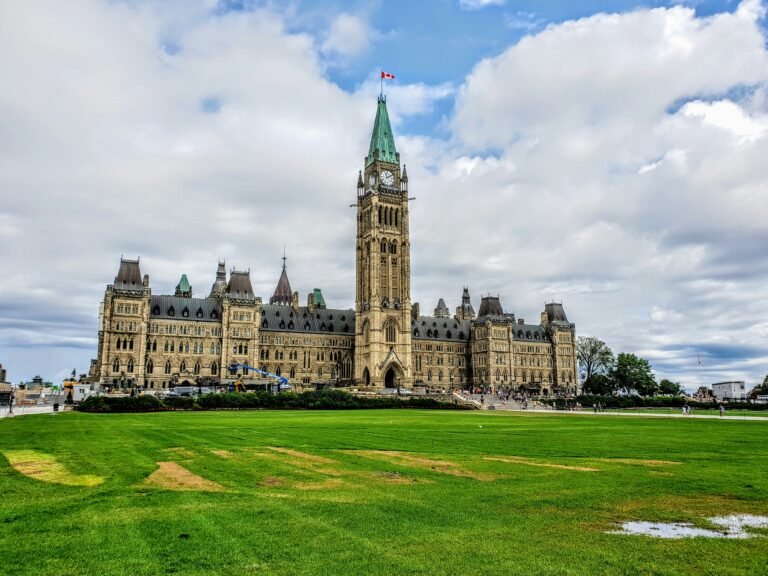
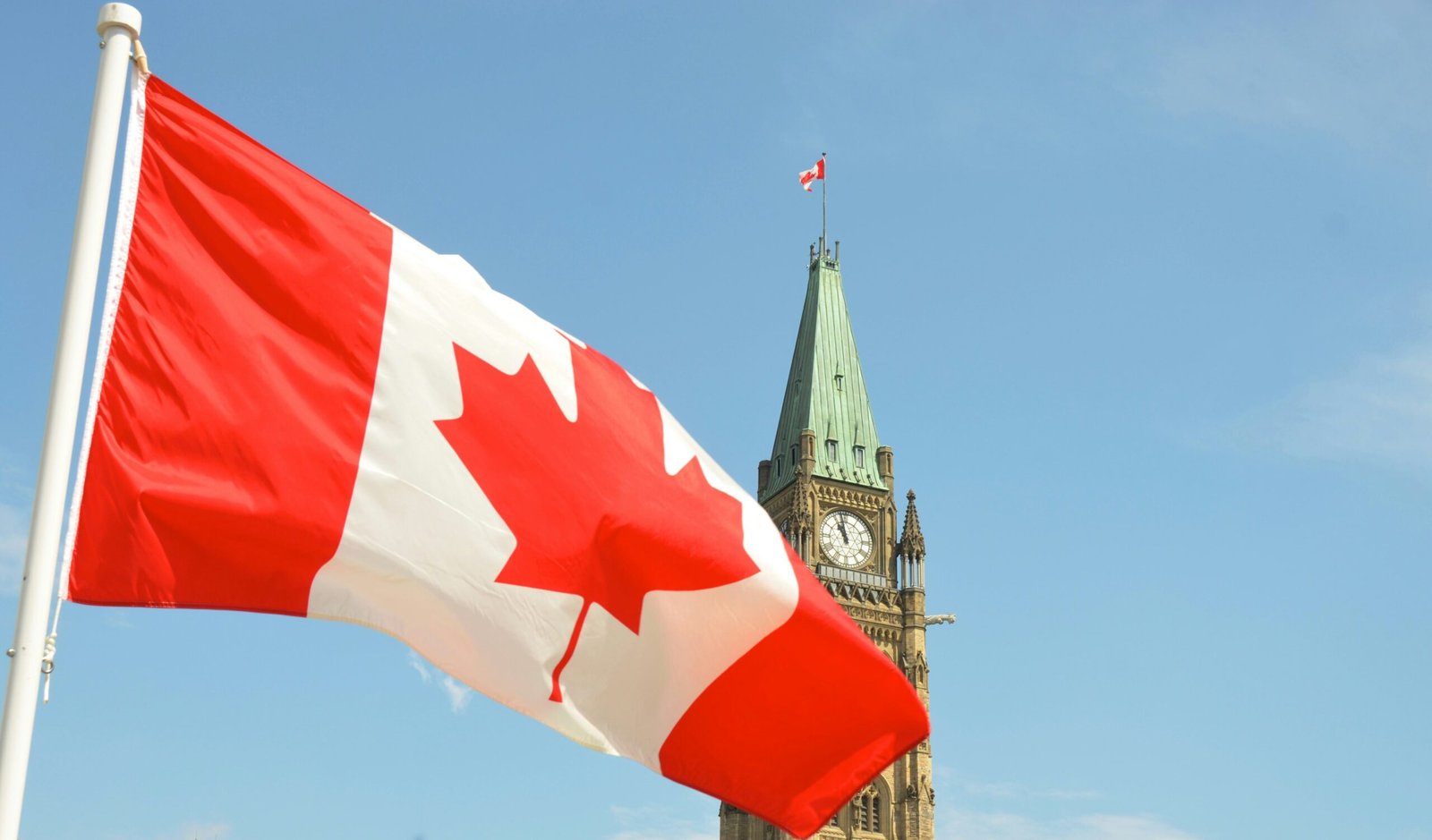
Get to Parliament Hill in time for the morning. It’s a different experience before crowds start to build. The Gothic Revival buildings seem to rise from the very earth with quiet authority. The lawn stretches open and dignified. The architecture achieves the perfect balance of gravity and intimidation from the Ottawa River.
Ottawa does not have the feel of an expansive capital city like many others. There is ceremony here, but not chaos. You can hear footsteps. You feel the wind from the water. You know this city was deliberately selected as the midpoint of cultures.
Walk the perimeter. The carvings in the stone tell a story. The buildings and cliffs hold structures. Here is the starting point of all stories of Ottawa.
Make your way to Major’s Hill Park. From this elevated green space, there is a stunning view of Parliament Hill. It may just be the most photographed view in all of Canada. There is a perfect alignment of water, trees, and stone.
For a deeper look at Ottawa’s landmarks and viewpoints, see the best things to do in Ottawa guide.
Why Slowing Down in Ottawa Makes the Experience Better
Ottawa rewards deliberate pacing. Before you set foot in a museum, pause for a cup of coffee. Warm up in winter. Hydrate in summer. This little reset makes the following experience more impactful.
Ottawa is not a city to be sprinted through.
Choosing the Right Museum in Ottawa: Art or National History?
Do one major institution today. Not two.
The National Gallery of Canada: Art, Light, and Identity
The National Gallery is a giant piece of architectural theatre where the design and construction of glass angles and granite walls play with light. The use of glass and stone creates a space where light is divined. The Indigenous galleries remind the visitor of histories far older than Confederation. The landscapes of the Group of Seven change how you look at Canada, vast, rugged, and elemental.
Standing in front of those canvases, you realise Day two transitions from symbolism to way of life. that Ottawa is just one face of a much broader country.
You’ll be here for two to three hours without feeling tired. The visit is contemplative, not overwhelming.
The Canadian Museum of History: Canada’s Story in One Building
The Canadian Museum of History sits across the river, curving with the riverbank as if it’s part of the landscape. The Grand Hall presents a powerful experience with large totem poles overhead and the river shining through the windows.
The Canadian History Hall guides you along the riverbank through the country’s history and provides context for the construction of the Parliament buildings.
The architecture is as engaging as the exhibitions.
Choose one. Let it shape how you engage with the rest of Ottawa.
Exploring ByWard Market: Ottawa’s Most Lively Neighbourhood
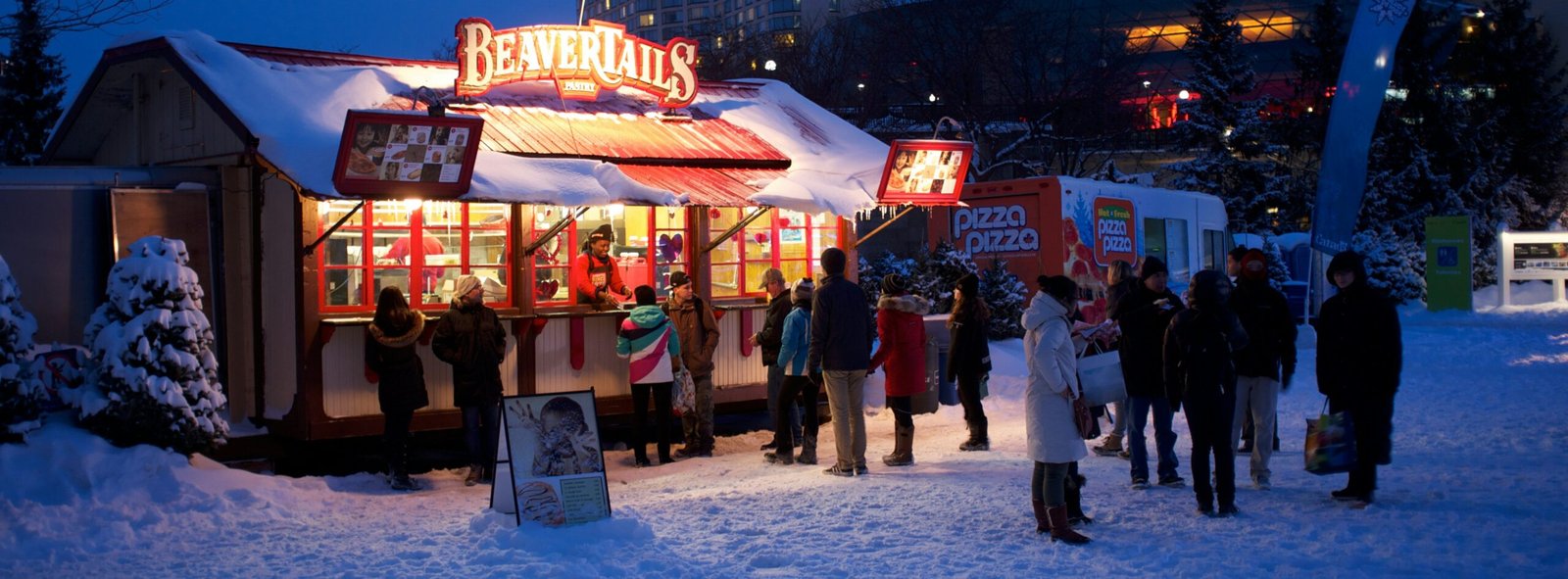
Rather than treating ByWard Market as a destination, it is more helpful to try to walk around it first. Appreciate the outdoor patios. Observe the comfortable integration of tourists and locals.
This is where you will try BeaverTails. The warm, flat stretch dough, topped with sugar or chocolate, is messy, sweet, and unmistakably Ottawa. The authenticity of eating it while walking is also unquestionable.
We can give ByWard Market some more human feeling. Less ceremonial than Parliament. More lived-in.
Where to Eat on Your First Night in Ottawa?
Ottawa’s dining scene is full of pleasant surprises.
Riviera is beautiful and intimate, as if it were an older restaurant. Seafood towers are celebratory, and the feeling is polished, but not rigid.
At Beckta, tasting menus are carefully crafted. Each course gently guides patrons to the next. The room is calm and confident.
For casual dining, feel free to visit Elgin Street. It is cosy and offers a welcoming local feel. Bring a sweater for a post-meal walk, as Ottawa evenings can become cool very quickly. If you are still deciding where to base yourself for easy access to these areas, review the where to Stay in Ottawa guide.
To end the night, choose somewhere lively, but not too chaotic. In Ottawa, it is best to keep the dining experience at a conversational volume.
Day 2 of Your Ottawa Itinerary: The Rideau Canal and Ottawa’s Food Scene
Day two transitions from symbolism to lifestyle.
Walking the Rideau Canal: Ottawa’s Most Peaceful Experience
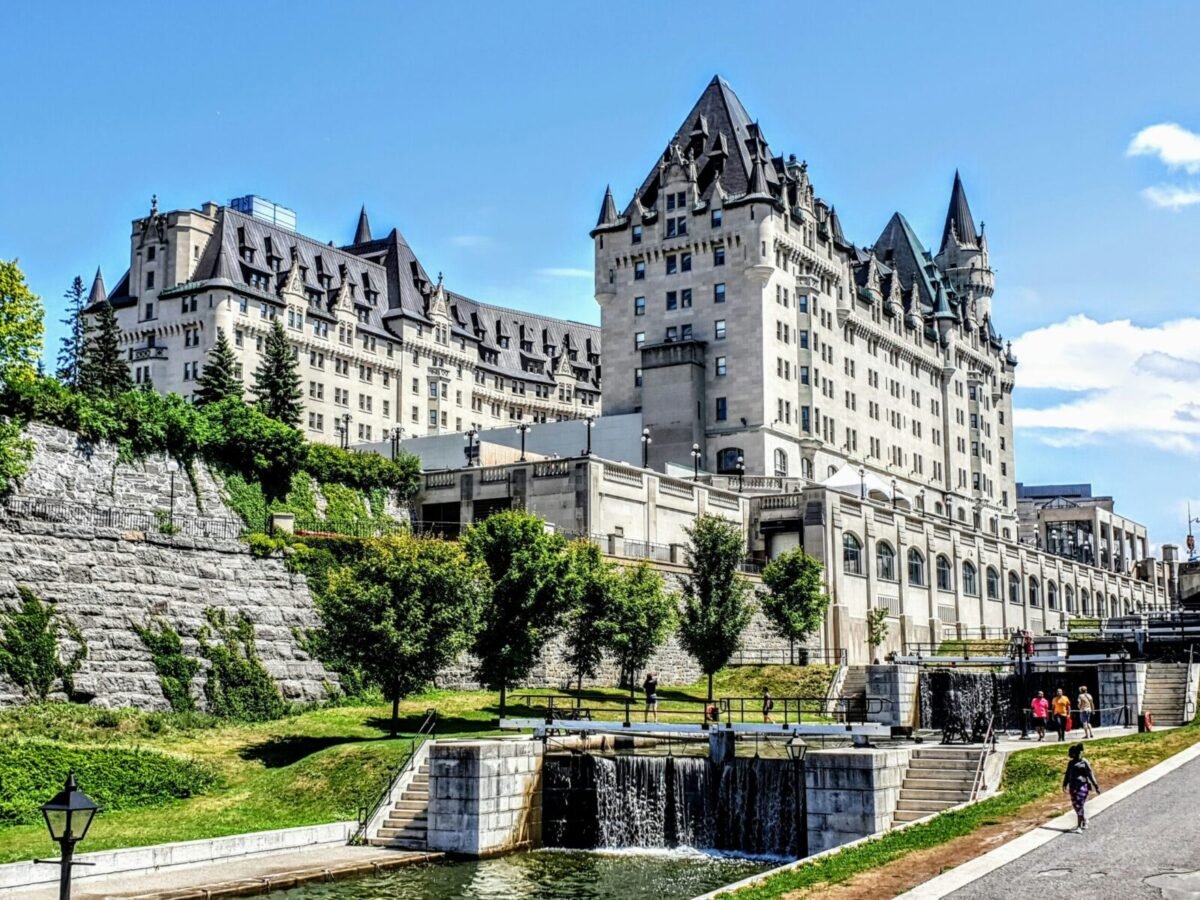
The Rideau Canal serves as the spine of Ottawa and is often the most understated.
During the summer months, when temperatures rise, the most meditative experience is walking along the canal. Everything about the canal is strikingly peaceful. As you walk, cyclists speed past you. The trees reflect off the water, and the water is clear. It is a truly beautiful place.
When winter arrives, and the canal freezes, it becomes the largest skating rink on the planet, and, as such, gliding along the canal rather than skating around a rink is a Canadian experience. It is not a spectacle; it is a Canadian ritual.
The canal represents a unique quality of Ottawa, its calm confidence.
Art-Is-In Bakery: A Must-Visit Lunch Spot in Ottawa
Art-Is-In has lots of energy. The industrial space is filled with fast-moving staff, and the smell of fresh bread dominates the room.
Food that is bold and generous. Brunch pizzas are heavily layered, sandwiches are stacked unapologetically, and the pastries are both flaky and rich.
Dining here is not subtle. It is Ottawa’s culinary personality. You can expect to spend more than at a basic cafe, and you will leave satisfied.
Its food culture is serious. Ottawa is not just a government town.
Exploring Ottawa’s Neighbourhoods Beyond the Main Attractions
Selecting the Canada Agriculture and Food Museum offers an embodied, multisensory experience. You walk with the animals and enter live working exhibits. This is an experience that stands in delightful contrast to the more formal museums.
If you are staying in the centre, head towards Centretown or Bank Street. The smaller streets of Ottawa reveal personality in quiet ways through their bookstores, cafés, and independent shops. To understand how Centretown, ByWard Market, and Bank Street differ, explore the Ottawa neighbourhoods guide.
Best Dinner Options in Ottawa for Your Second Night
North & Navy offers intimacy. The tasting menu feels curated rather than overwhelming. Courses feel layered yet balanced. The space invites conversation.
For something more relaxed, pick a patio on Elgin Street. Ottawa patios feel communal, but not chaotic. The evening cools. Conversation lingers.
Day two should feel comfortable, not extravagant.
Day 3 of Your Ottawa Itinerary: Scenic Walks and a Perfect Farewell
The last day rounds off the emotional cycle.
Seeing Ottawa Differently on Your Final Morning
Go back to the river and the core, this time without an agenda. Walk the side streets. Pay attention to the details you overlooked. Follow how the light changes on the buildings.
Ottawa reveals depth when you slow down.
Where to Have Brunch in Ottawa Before You Leave?
If you have not been to Elgin Street Diner, now is the time. Enjoy large-portioned, delicious breakfast meals, always-stocked coffee, and a space that feels more local than overly touristy.
Food from Ottawa is known and beloved, and now it is anchoring your last morning.
Final Museum or Outdoor Experience Before Leaving Ottawa
If you missed one of the major museums, do it now.
If you enjoy the outdoors, let this be a scenic walk and a long lunch.
Ottawa is elegant without effort. That understated confidence becomes clear by day three.
How to Spend Your Last Two Hours in Ottawa
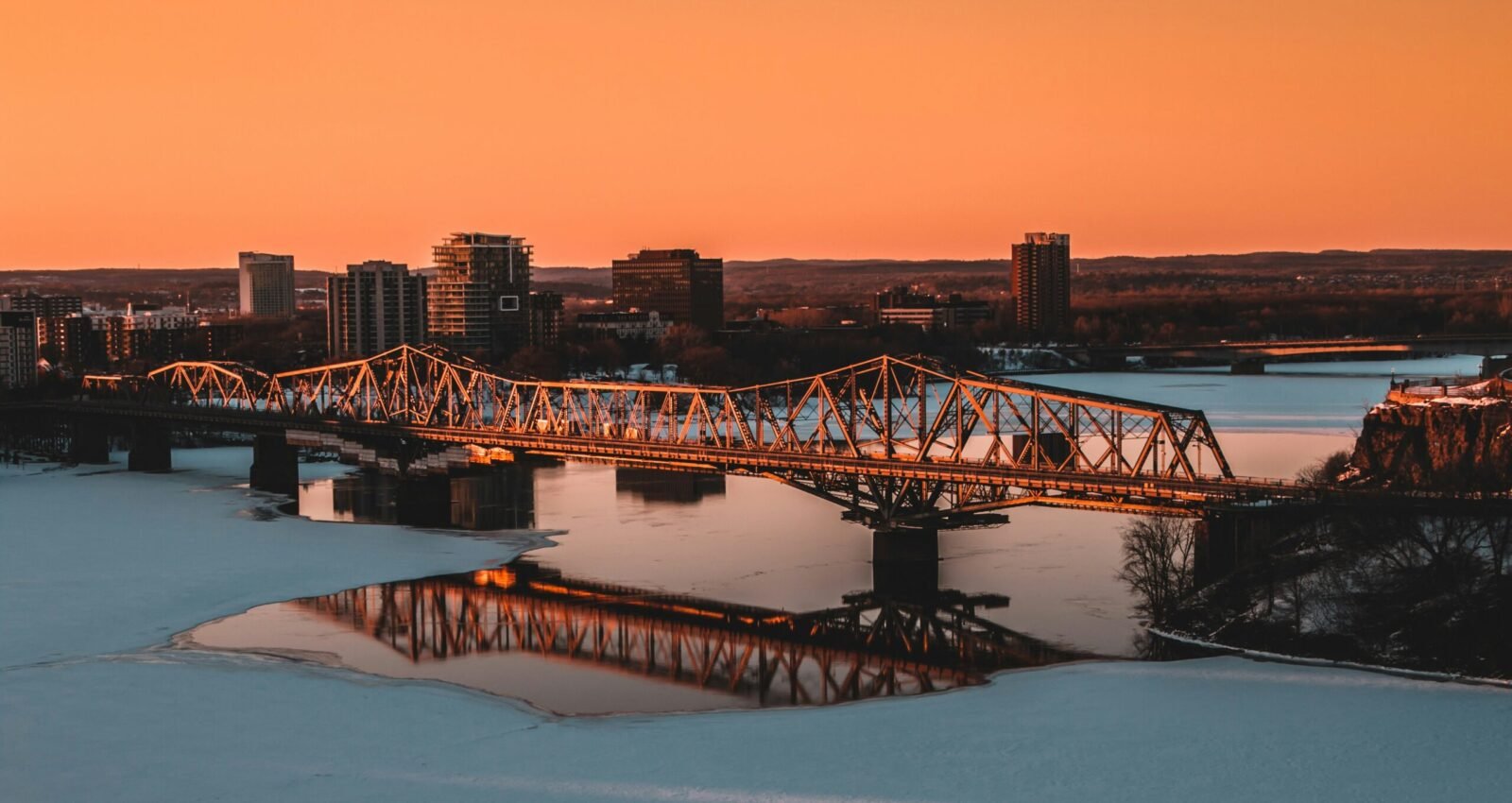
Choose intentionally.
If your memories are defined by food, make one more visit to the Market for indulgence’s sake.
If visuals are what you care about most, time your walk for golden hour. Parliament at dusk feels cinematic.
If reflection is what you are after, sit still by the river and watch the city settle.
Leaving Ottawa should feel calm and complete.
Seasonal Character: How Ottawa Feels in Every Season
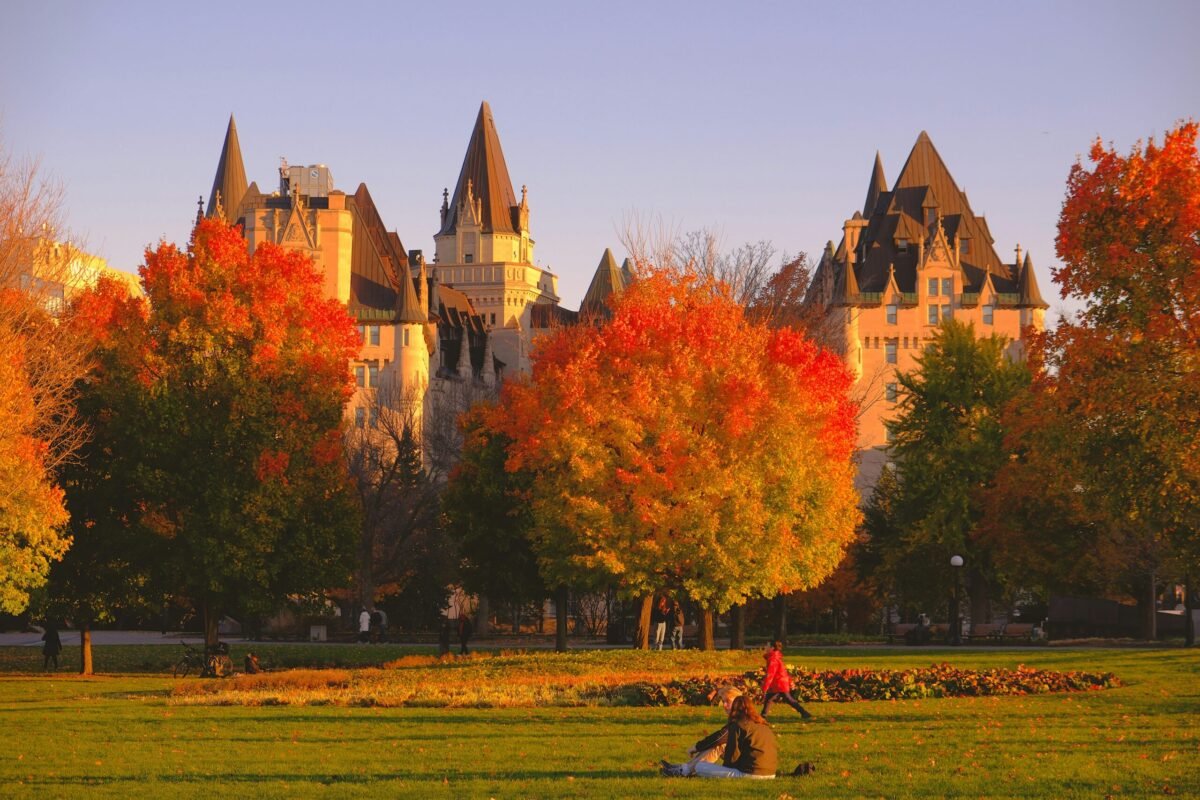
In the winter, snow softens architecture, and the wind demands a plan.
In summer, patios bloom , and canal paths teem with activity.
In autumn, the trees surrounding Parliament frame it in gold and red.
Rain in spring may cascade plans indoors, but museums provide a refuge.
Ottawa adapts to seasons gracefully.
If Ottawa is part of a larger provincial journey, the Ontario travel guide connects this itinerary with Toronto, Niagara, and other destinations.
If your schedule is tighter and you cannot follow the full three-day plan, use the dedicated 2 days in Ottawa itinerary to prioritize highlights without rushing.
FAQs About 3 days in Ottawa
Is 3 days enough in Ottawa?
Yes. Three days give enough time to see Parliament Hill, two major museums, the Rideau Canal, and ByWard Market without rushing, and to savour Ottawa’s dining scene.
What is the best area to stay for a 3-day Ottawa trip?
Downtown, ByWard Market, Centretown, or close to Rideau Centre are the best places for walkable access to attractions, restaurants, and transit.
Is Ottawa expensive for a weekend trip?
Depending on where you eat, Ottawa can be anywhere from moderately priced to premium. Most museums are moderately priced, casual dining is affordable, and fine dining is a premium experience.
Is Ottawa walkable for tourists?
Yes. The downtown area is quite compact, so most attractions are within walking distance as long as you stay downtown.
What food should I try in Ottawa?
The city’s most famous dessert is the BeaverTails pastry. Ottawa also has an excellent fine dining and bakery scene.