Best Things to Do in Toronto (2026)
Toronto is a city of many layers: cultural, geographic, and emotional. It does not give itself away in one perfect shot. You can sense it in every few-block shift of the neighbourhood, the abrupt geographical shifts of land and water in the skyline, and the genuinely rooted food from every corner of the world.
If you’re visiting Toronto for the first time in 2026, the Best Things to Do in Toronto guide is designed to eliminate all uncertainty. Where to go, how to get there, what matters, what doesn’t, when to plan, and how to experience Toronto as it actually functions, not just how it’s advertised.
In This Guide
Toronto at a Glance
The city of Toronto, situated along the northern shore of Lake Ontario, is the largest city in Canada. Visitors often underestimate the city’s neighbourhood-driven nature. Everything does not revolve around a single “old town” or central square. The best way to experience Toronto is as a series of villages connected by transit.
Over 50% of Toronto’s residents are immigrants. The lived experience of Toronto’s diverse cultures brings the city to life. From the various languages spoken, the music of different cultures, the cuisines, the overlapping of other religions, and the diverse festivals, it intermingles in an enchanting wholeness. The visitor experience in Toronto is unique, and it is close to impossible to “tourist” the city, even in the most frequented spots.
Getting Around Toronto: Exactly How It Works
Public Transit (TTC): Subway, Streetcars & Buses
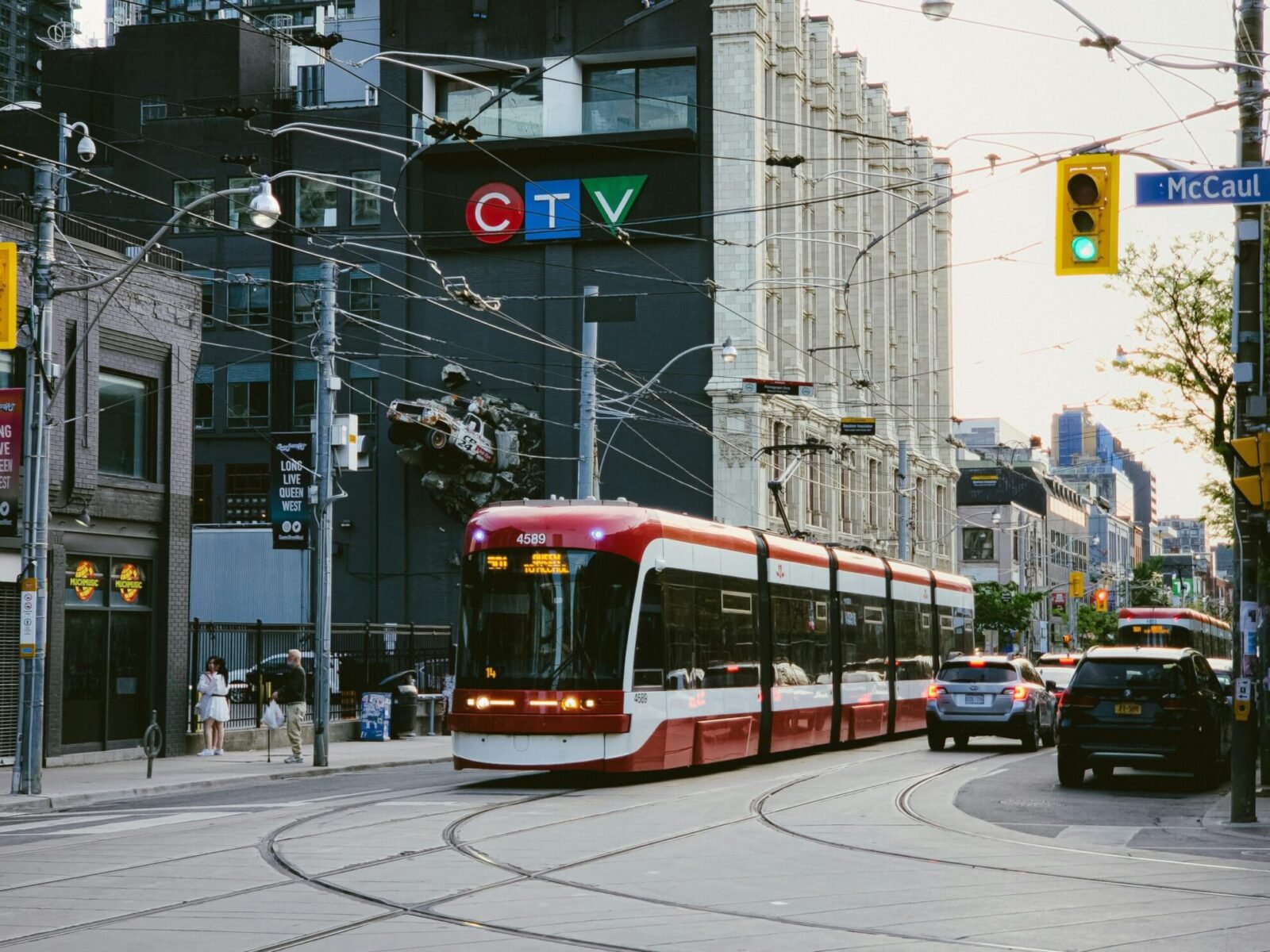
Toronto’s TTC system is the backbone of getting around the city. The subway handles north–south movement efficiently, while streetcars dominate east–west travel through the most interesting neighbourhoods.
How to pay (important for visitors):
- Tap a credit or debit card
- Tap a phone or smartwatch
- Use a PRESTO card
Starting in late 2026, Toronto will implement automatic fare capping. With this system, there is no longer a need for daily or weekly travel passes. Users who tap the same card or device a specific number of times within a given fare period will automatically receive a free additional ride.
Bike Share Toronto: A Simple Way to Get Around
Bike Share Toronto is a quick and easy way to get around downtown. The bikes are nice, the stations are located every few blocks, and the system is easy to use. Prices are decent for customers, with reasonable rates for single rides and day passes for unlimited short rides. This makes it great for quick rides without needing other forms of public transit.
This system is great for short rides, especially when the TTC route may seem unproductive. This includes crossing over distant neighbourhoods and riding along the waterfront. Rides such as the Distillery District to the lake, Kensington Market to Queen West, or from the Annex to downtown are faster by bike. Rides along the waterfront between the Bentway and the Harbourfront are also great while cycling. Bike Share Toronto is an excellent option for short rides.
The PATH: Toronto’s Underground City
The PATH holds the title of the world’s longest underground pedestrian walkway. In the winter, it is the only way to go. In the summer, it is nice to walk through because it is air-conditioned. When you walk through it, the PATH connects skyscrapers, courts, food courts, and subway stations. Locals say it is a maze, and when you walk through it, it can feel that way. When the weather is bad, and you are in the downtown area, the PATH is your best option.
Some places are lovely to look at beyond the shops, like the CF Toronto Eaton Centre, the main retail component, and Brookfield Place and First Canadian Place, which have nice food courts and tall buildings. First Canadian Place has a food court with many options for a quick lunch, along with the Bay Adelaide Centre. These food courts are very popular with downtown workers and are located just below the street.
Tip: Download the Toronto Path Map ahead of your trip.
To understand how public transit, bike share, and walking actually work together, see our Getting Around Toronto guide.
Toronto’s Landmark Attractions
The CN Tower
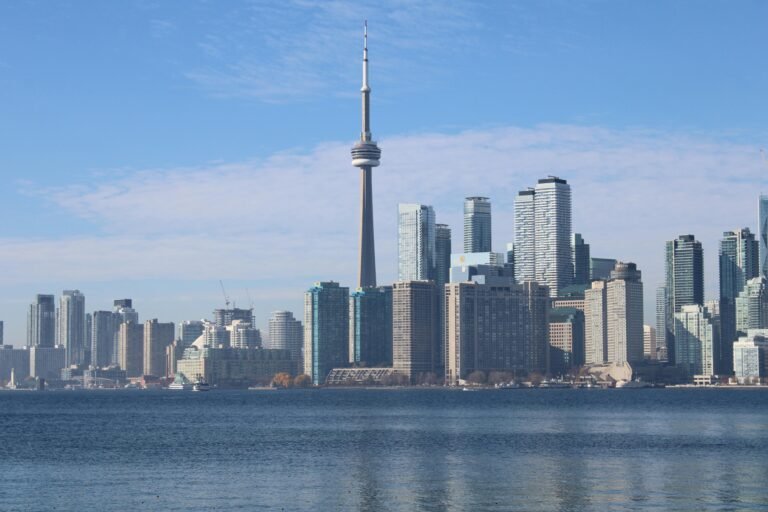
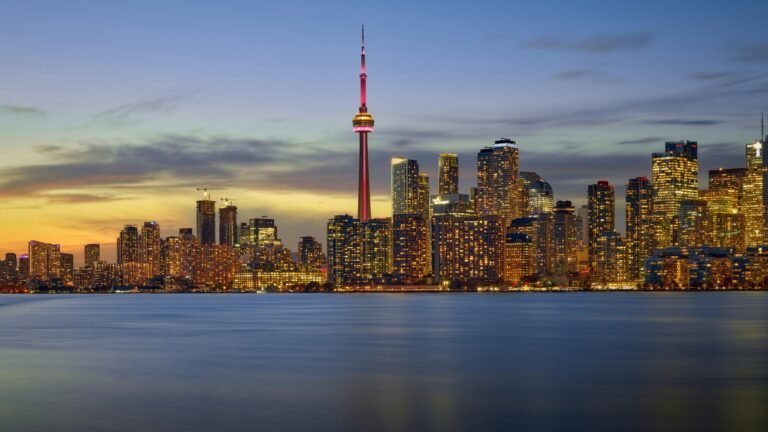
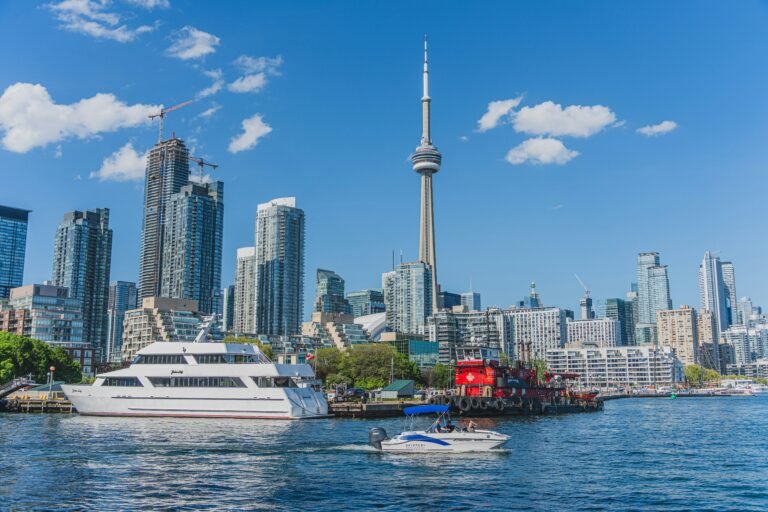
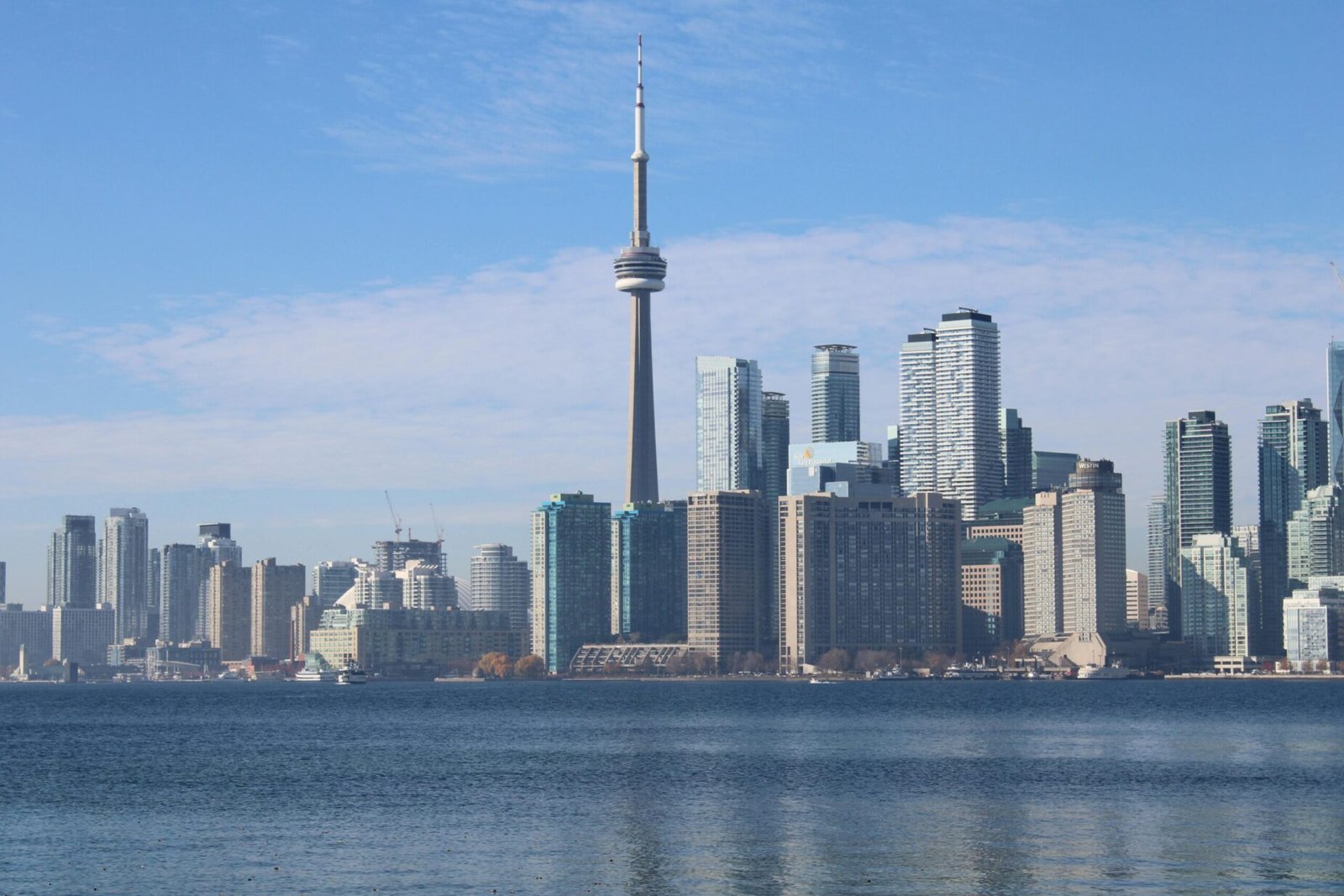
The CN Tower is more than just an attractive tourist sight; it unlocks Toronto’s potential. The best way to understand Toronto’s layout and geographical features is from the CN Tower’s viewing platform. Looking over the grid pattern of the city’s streets, the endless expanse of Lake Ontario, the small Toronto Islands, and the far-off neighbourhoods is an experience that offers context and understanding of the city that no other attraction can.
Plan to spend 1 to 2 hours. The best time is around 5 to 6 pm in the summer, when the city is transitioning to night. These tickets sell out weeks in advance, so be warned. Walking on the glass floor is not for everyone, but it is a memorable experience.
Nathan Phillips Square & the TORONTO Sign
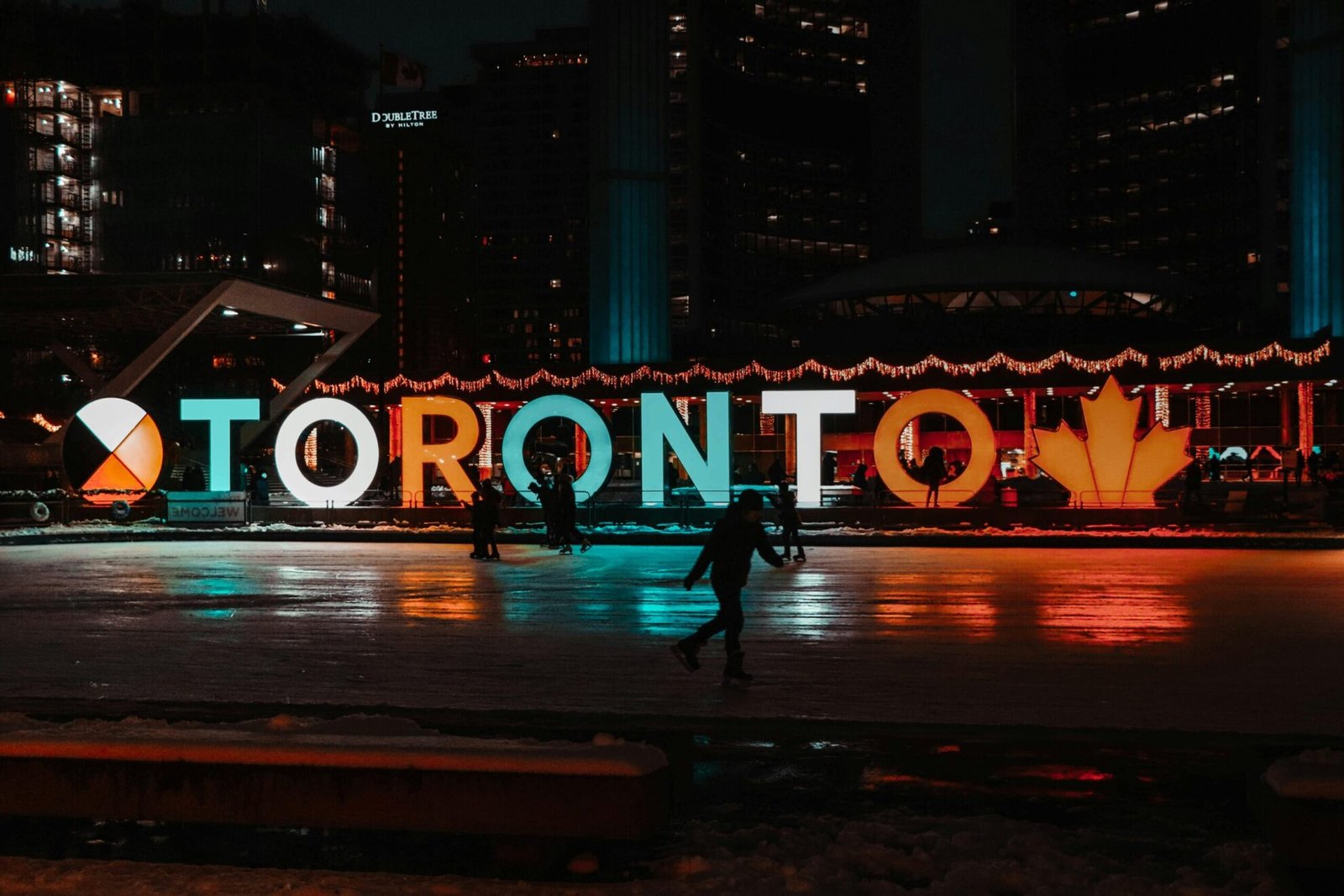
Nathan Phillips Square, a few minutes’ walk from Toronto City Hall, features the illuminated TORONTO sign, which is the most photographed spot in the city. It is a great location to spend time in the summer, when events take place, and people come and go from downtown. In the winter, skating and winter fun take place in the square, which becomes a skating rink. Watching the skating is often when first-time visitors realise the trip has really begun.
The Distillery Historic District
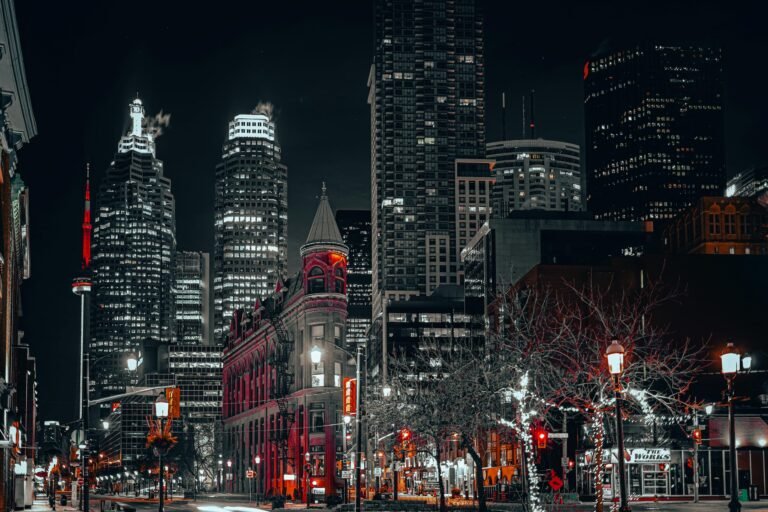
Now Canada’s most atmospheric neighbourhood for pedestrians, the Distillery Historic District is also the former largest distillery in the British Empire. With many antique shops, cobblestone streets, and Victorian-era red brick houses, the neighbourhood is a great place to slow down and walk, taking in the details. Unlike many other historic neighbourhoods, the numerous galleries and restaurants create a lived-in atmosphere that feels more than just a stage for photos. To take pictures, go early in the morning. In the evening, the atmosphere is warm and lively. For food, French-inspired cuisine is available at Cluny Bistro. For bold flavours and one of the district’s most popular patios, head to El Catrin.
Neighbourhoods That Define Toronto
Kensington Market
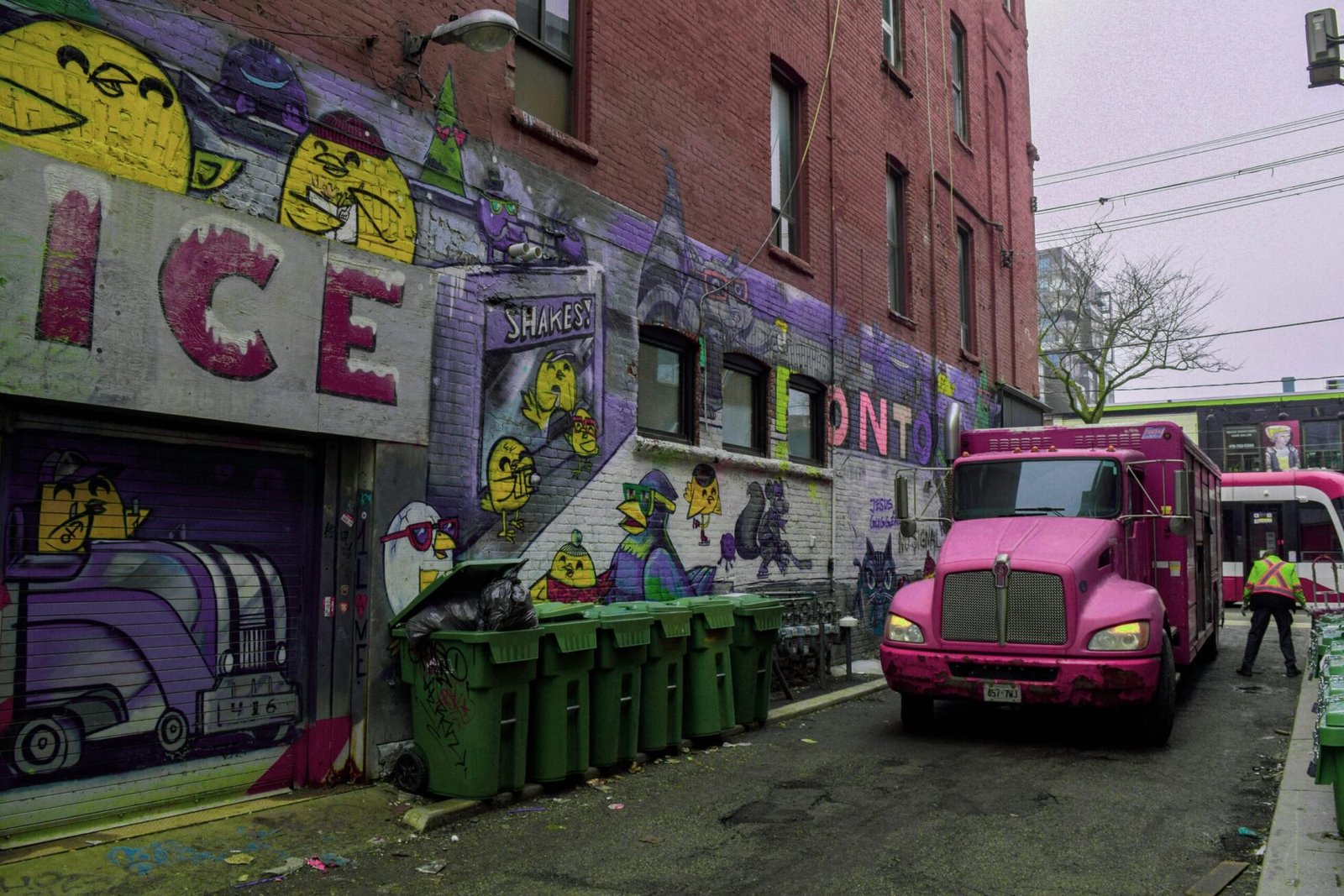
Kensington Market is the heart of Toronto at its most unrefined and honest. It is a National Historic Site but still holds strong to its independence, with Caribbean baking shops, vintage stores, taco counters, cafes, and record shops as its close neighbours. Murals change, music flows, and the area is unrefined and unpolished, and that is what makes it charming.
Kensington is best enjoyed at a slow pace. Enjoy a taco at Seven Lives Tacos, check out vintage finds at Courage My Love, and relax with a coffee as the neighbourhood comes to life. Just south of Queen Street, Graffiti Alley enhances the experience with one of Canada’s most famous outdoor galleries. It’s a free, always-changing, and slightly more than a kilometre-long collection of street art.
Queen Street West & Ossington Avenue
In North America, Queen Street West is arguably the most creative street. The street is covered with independent shops, coffee shops, bookstores, and galleries. all of which entice even the most aimless of consumers to stroll through the shops. A few blocks north, Ossington Avenue leads most of the city’s west-end nightlife. The avenue is home to countless packed bars and restaurants and offers late-night dining that spills out onto the street. A local west-end truth, weekend brunch is serious business, and the most frequented restaurants often have long wait times or require a reservation.
Yorkville
A more sophisticated, quieter side of Toronto is seen in Yorkville. Tree-lined streets and upscale restaurants create the perfect backdrop for a relaxed evening and slow afternoon. It’s its proximity to cultural venues that makes it the easiest option for a museum visit, paired with coffee, shopping, or dinner, and it transitions effortlessly from culture to commerce.
Food: Toronto’s Strongest Identity
There’s no single defining dish for Toronto, but it offers food options that are authentic to the city’s diverse history and cuisines, built over decades of immigration. The food culture isn’t about novelty; it’s about depth, consistency over the years, and serving the same communities again and again.
St. Lawrence Market
St. Lawrence Market is one of the best markets in the world because of its attention to locals. The Market is home to fresh fruits and vegetables, a variety of longstanding bakeries, a wide range of ready meals, and vendors offering cheeses and meats.
It is an excellent location for breakfast and lunch as well as for people-watching. It is also a great market to slow down and wander, and you can reward yourself by allowing one to two hours to explore the Market thoroughly.
Eating Beyond Downtown (Essential)
Some of Toronto’s best food is located outside of the downtown core. Gerrard Street East is home to Toronto’s South Asian food scene, and The Danforth has a vibrant evening ambience, with Greek restaurants and street activity. Dundas West is a blend of trendy, newer restaurants and longstanding local dining spots.
If you choose to eat only downtown, you are missing half of Toronto’s food scene.
Waterfront, Parks & Toronto’s Newest Landmark
Toronto Islands
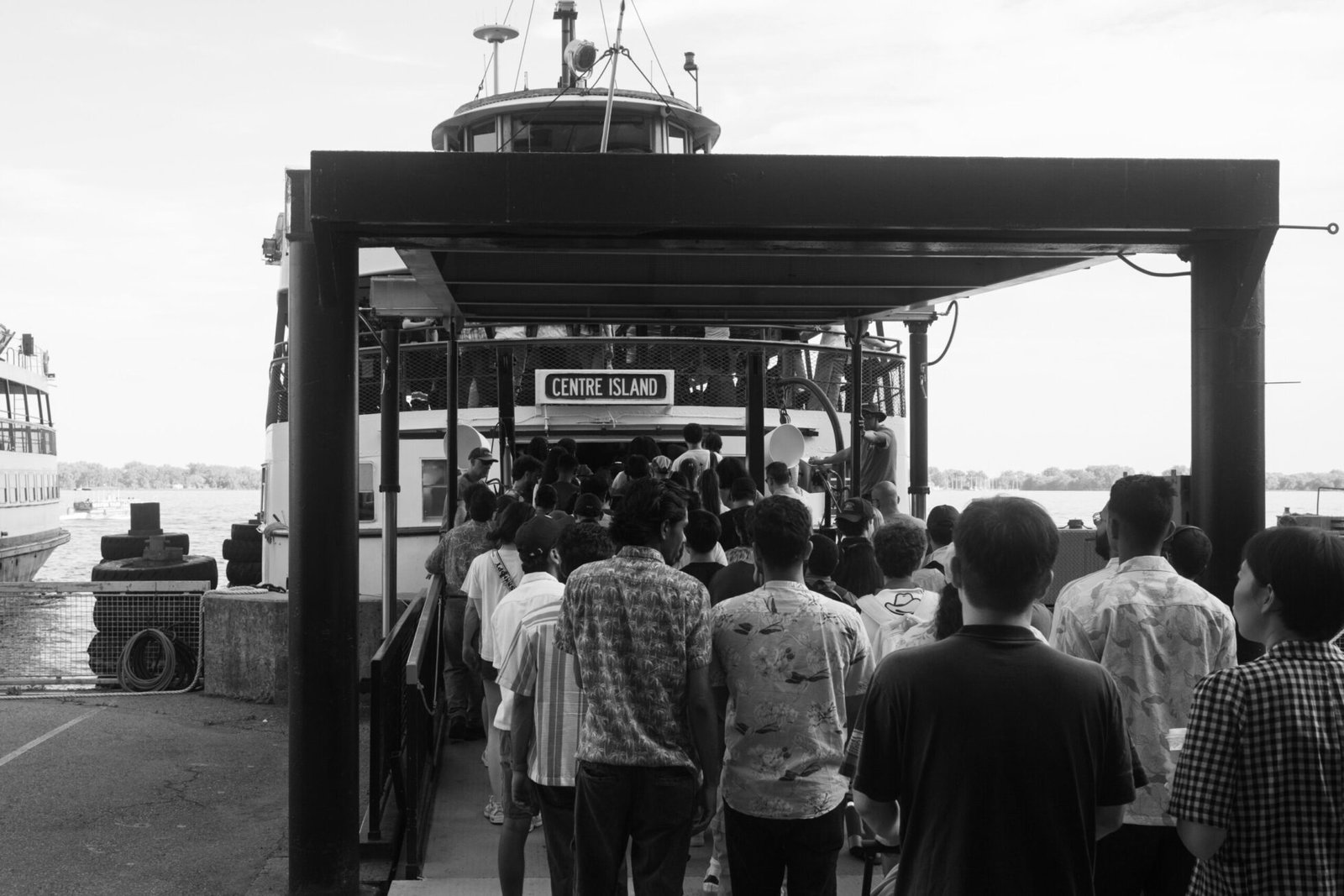
A leisurely ferry ride from the city to the islands offers a stark contrast to the metropolitan pace, as the car-free, quiet residential pathways, complemented by beaches and views of the unobstructed downtown skyline, provide a stark contrast to the metro pace. Visitors often spend several hours strolling, biking, or lounging. Ward’s Island offers the most serene entry point and a beautiful stroll back to the ferry.
Port Lands & Lassonde Art Trail (New)
The Port Lands redevelopment is the most significant urban transformation in North America. Set to open in 2026, the Lassonde Art Trail will be the first of its kind in Canada, comprising multi-kilometres of pathways that integrate large-scale public artworks with parks and waterfront promenades. Designed as an open-air art park, this new public space is expected to become one of Toronto’s most photographed places.
The Bentway & Underpass Park
Toronto has made the most of the new infrastructure by turning the Gardiner Expressway into a usable public space. Every year, Underpass Park and the Bentway host community events, art installations, and seasonal activities, such as skating. The park’s unique, industrial aesthetic is thoroughly Torontonian and showcases the city’s imagination at work.
Museums Worth Your Time
Major Toronto museums are all within walking distance from each other and are well organised and easy to navigate.
Royal Ontario Museum

With natural history, global cultures, and new rotating exhibitions, there is a lot to choose from at the Royal Ontario Museum. It is a perfect option for cold, rainy days, and most people think 2-3 hours is the ideal amount of time to spend there.
Art Gallery of Ontario
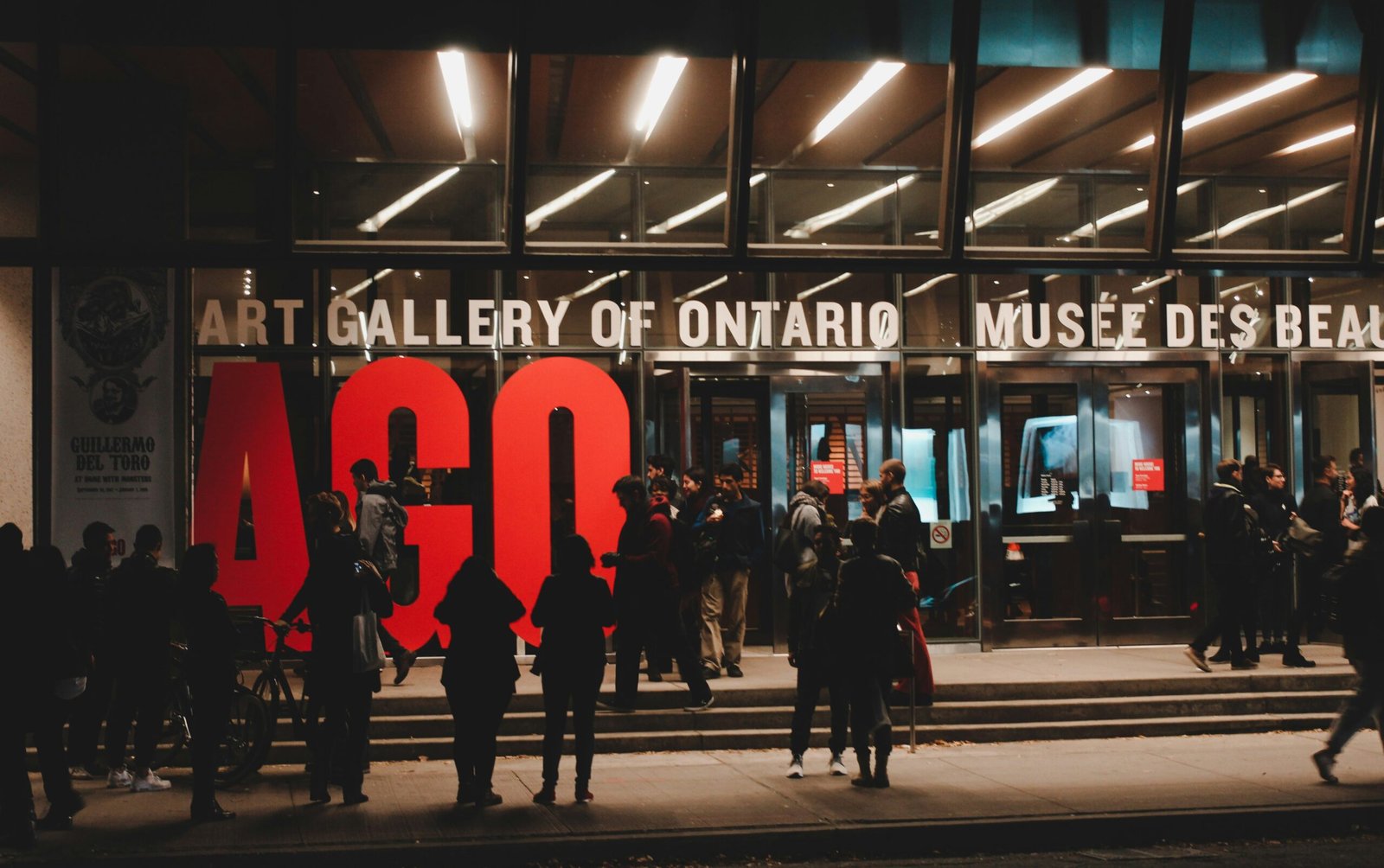
Located in a stunning building designed by architect Frank Gehry, the Art Gallery of Ontario (AGO) houses Canadian, Indigenous, and European artwork from the 19th century to the present. Unlike many other museums, the AGO is designed to foster an open, welcoming environment that keeps visitors coming back.
Sports, Entertainment & 2026 Energy
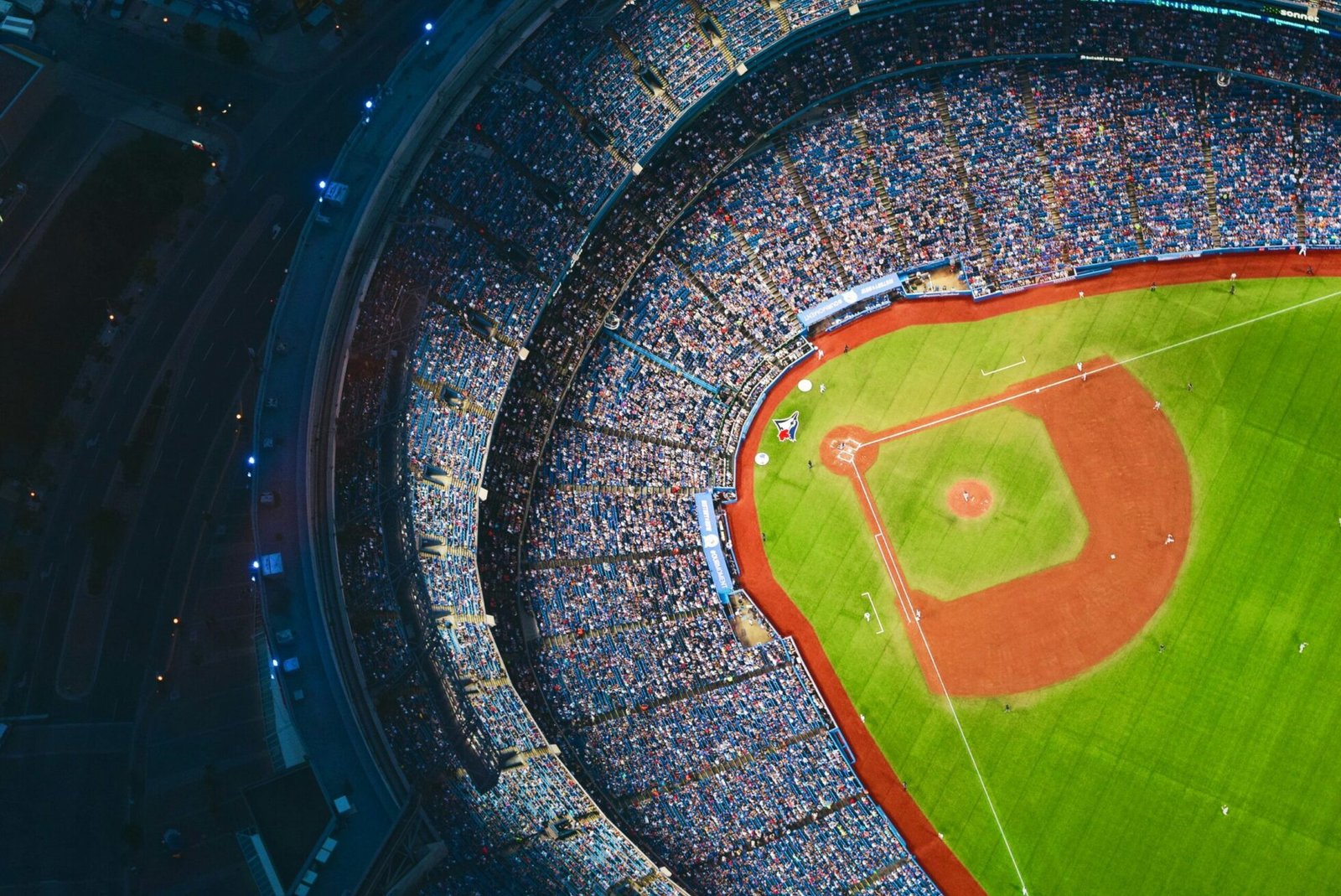
Toronto has a widely known sports culture that is palpable even to those who do not enjoy sports. The Toronto Blue Jays of Major League Baseball dominate the summer sports season. Toronto also has two other major North American sports franchises in the NBA (Toronto Raptors) and the NHL (Toronto Maple Leafs), which compete for championships for most of the year. In 2026, Toronto will add the Toronto Tempo, the city’s first WNBA team.
FIFA World Cup 2026 (Critical Planning Info)
Toronto will be one of the official host cities for the FIFA World Cup 2026. Toronto will host the event in June and July. Toronto will be busy with many activities. Hotels will be fully booked, and the show must be chosen in advance. Downtown Toronto will also be affected. FIFA World Cup tickets are required for entry to the FIFA Fan Festival. The Festival will be held at Exhibition Place and will include live screenings of FIFA matches, along with food and live performances. The Festival will be a significant attraction.
Festivals That Shape the City
With each new festival, new parts of Toronto are revealed. Every June, Toronto Pride transforms the core of the city into a massive street party for a week. In August, the Caribana Festival takes over the town again, with another enormous street party showcasing one of the largest Caribbean Carnivals in North America. In September, the Toronto International Film Festival (TIFF) makes the city a temporary film-industry hub by taking over every cinema, numerous restaurants, and hotels.
Seasonal Reality of Toronto
Expect a long, hot, and humid summer of packed, bustling events and festivals, along with plenty of patio days. Then enjoy the city in its fall glory, with Toronto’s streets peppered with warm autumn colours and foliage. It is often considered the best time for a walk. Winter offers the charm of outdoor skating and the convenience of the PATH system. In spring, energy in the city ramps up with the reopening of outdoor patios. The streets are lined with fresh blooms as new life emerges.
The Perfect 3-Day First-Time Plan
| Day | Focus | Morning | Afternoon | Evening |
|---|---|---|---|---|
| Day 1 | Icons | St. Lawrence Market | CN Tower & TORONTO Sign | Distillery District |
| Day 2 | Neighbourhoods | Kensington Market | AGO & Graffiti Alley | Ossington Avenue |
| Day 3 | Escape | Toronto Islands | Queen Street West | Yorkville dinner |
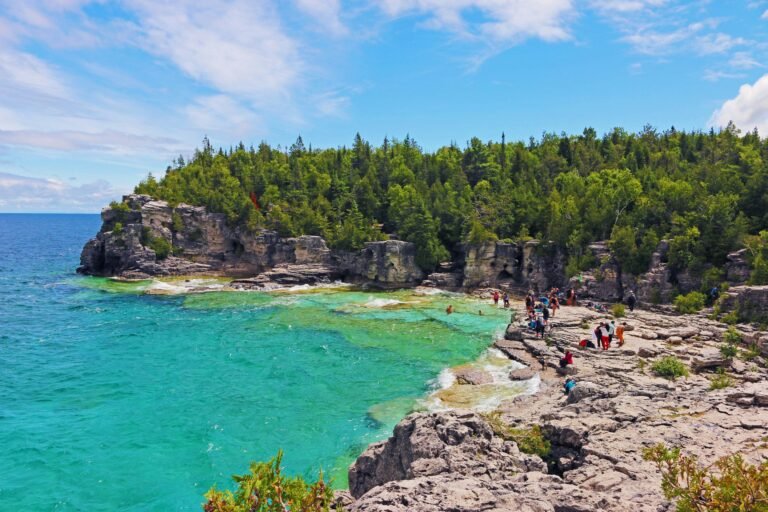
If you want a fully structured schedule with exact timing and walking flow, follow our 3-Day Toronto Itinerary. If you have extra time beyond the city, some of Ontario’s most scenic escapes are an easy addition. See our Day Trips from Toronto guide.
Visitor FAQs: What First-Time Travellers Should Know
Is Toronto safe for visitors?
Yes. Toronto is safe for visitors. In North America, it is one of the safest cities. In downtown areas, train stations, and tourist areas, exercise standard street-smart precautions, as they are well-lit and heavily patrolled.
Do I have to leave a tip in Toronto?
Yes. In Canada, it is customary to tip. In restaurants where you are served at the table, it is common to leave a tip of 15% to 20%. You may leave a bit of spare change at a coffee shop, and it is nice to give a tip to hotel bellhops ($2-5). For a taxi or a rideshare, a 10-15% tip is expected.
How walkable is Toronto?
Very walkable. The city has diverse neighbourhoods that are charming and interesting to explore on foot. Still, Toronto is also large, so you may want to use public transport to get between neighbourhoods, like from the Distillery District to High Park.
Is public transport easy to use?
Yes. The Toronto Transportation Commission (TTC) is easy to use. You just have to tap your credit or debit card or your phone on the green PRESTO card reader at boarding.
What language is spoken in Toronto?
The primary language is English. Although Toronto is a very linguistically diverse city with over 180 languages spoken, you will have no problems navigating it and using English.
How expensive is Toronto?
It can be expensive, but not always. While hotels and restaurants in the downtown core are costly, you can save money by visiting free attractions, such as St. Lawrence Market or The Distillery District, and getting inexpensive but delicious food in Chinatown or Kensington Market, and riding the TTC rather than having to pay for an Uber or cab.
What’s the best area to stay for a first visit?
For convenience, stay in the Entertainment District or Old Town. You can walk to the CN Tower, Union Station, and the big theatres. If you want a more “local” feel with good shopping and nightlife, check out Queen West or Yorkville. Choosing the right neighbourhood matters as much as the attractions. Our Where to Stay in Toronto guide breaks down the best areas for first-time visitors.
What are some of the best things to do in Toronto for free?
Some of the best free things to do in Toronto include visiting Nathan Phillips Square to see the TORONTO sign, walking through Kensington Market and Graffiti Alley, exploring the Distillery Historic District, and spending time in parks like High Park or along the Harbourfront.
Toronto is often the starting point for exploring the province. Continue planning with our Ontario travel guide.
Final Word
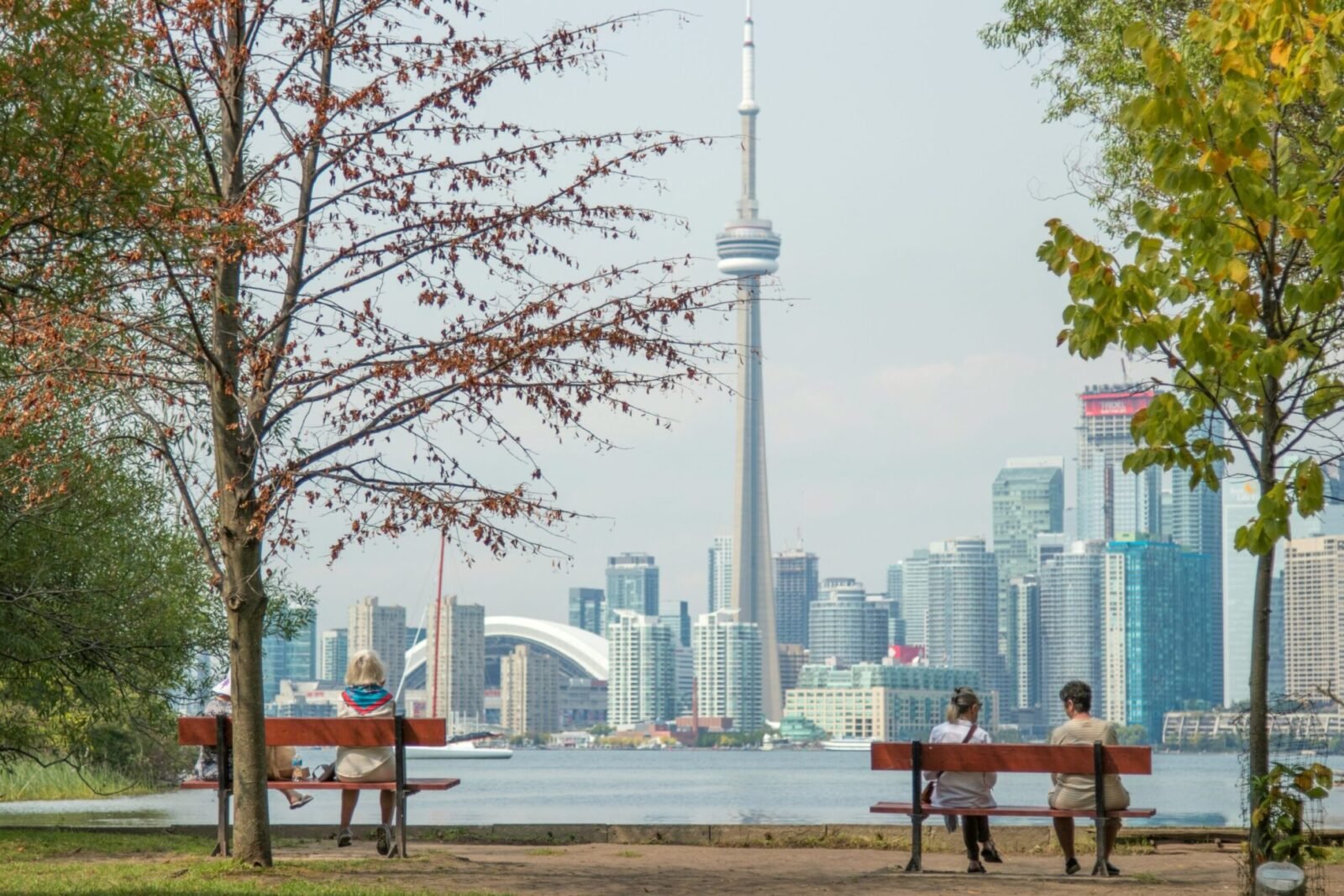
Toronto is not a city of grand spectacle. It is a city of depth, of neighbourhoods, of meals, of long walks, and of small moments that build understanding. With this guide, you will not feel rushed or disoriented. You will appreciate how Toronto operates and why so many people visit the city once and end up returning.