Best Time to Visit Niagara Falls: Month-by-Month Guide
Niagara Falls is a place you could visit repeatedly and still not fully understand it. The falls are constant and powerful, but the world around them is always changing.
In July, the promenade is busy with families, tours, and evening fireworks. In October, the air cools, and the leaves around the falls change. In winter, mist freezes on the railings, and the falls transform into a surreal winter wonderland.
So, when is the best time to visit Niagara Falls?
Each month offers something different; no one month has everything. The best time to visit Niagara Falls is subjective and depends on whether you value warm weather, fewer people, lower hotel prices, winter scenery, or fully operational attractions. Niagara Falls is one of the most famous destinations in Ontario, drawing millions of visitors each year who come to experience the power of the waterfalls and explore the surrounding region.
If you are still planning, you will want to consider reading our guide to the best things to do in Niagara Falls and our complete 2-day Niagara Falls itinerary to help you make the most of your time
Affiliate Disclosure: This article may contain affiliate links. If you book through these links, I may earn a small commission at no additional cost to you. I only recommend experiences that enhance your visit.
When Is the Best Time to Visit Niagara Falls?
|
Category |
Best Time |
|---|---|
|
Best Overall Balance |
Late May & September |
|
Best Weather |
June – September |
|
Fewest Crowds |
April & November |
|
Cheapest Hotels |
March & November |
|
Best for Photography |
October & January |
|
Full Attraction Access |
July |
Seasonal Comparison Overview
Niagara Falls undergoes significant change with each passing season. Though the thousands of gallons of water that pour over the cliffs each minute do not change, the surrounding environment, the number of people visiting the site, the price of attractions, and the availability of attractions do change. A comparison of the four seasons can help determine the best month to visit.
|
Season |
Weather |
Crowds |
Hotel Prices |
Attraction Access |
|---|---|---|---|---|
|
Spring |
5–18°C |
Low to Moderate |
$$ |
Most open by May |
|
Summer |
20–30°C |
High |
$$$$ |
Fully open |
|
Fall |
8–22°C |
Moderate to Low |
$$ |
Fully open |
|
Winter |
-10–3°C |
Low |
$ |
Limited |
Visiting Niagara Falls in Spring (March to May)
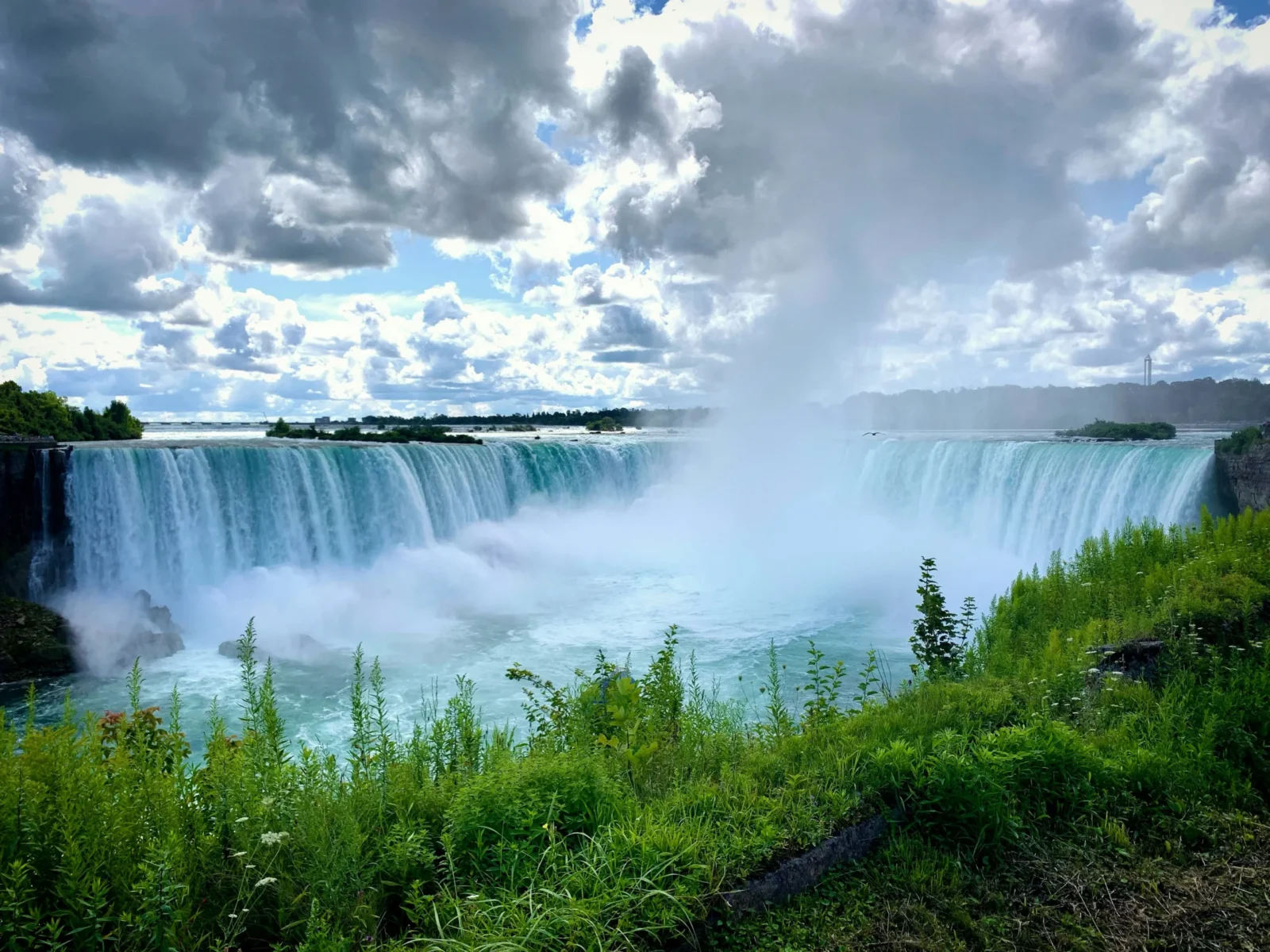
With the arrival of spring, numerous changes can be seen throughout the area, including shifts in the river’s flow, the feel in the air, and activity in the park. In March, when the water is still partially frozen, the weather can still feel like winter, as the winds create frigid gusts that flow through the gorge. The temperature is usually in the single digits, and snowfall can still occur early in the month. Come April, the ice is gone, the gardens open again, and daylight extends later into the evening. By late May, the entire region feels alive again.
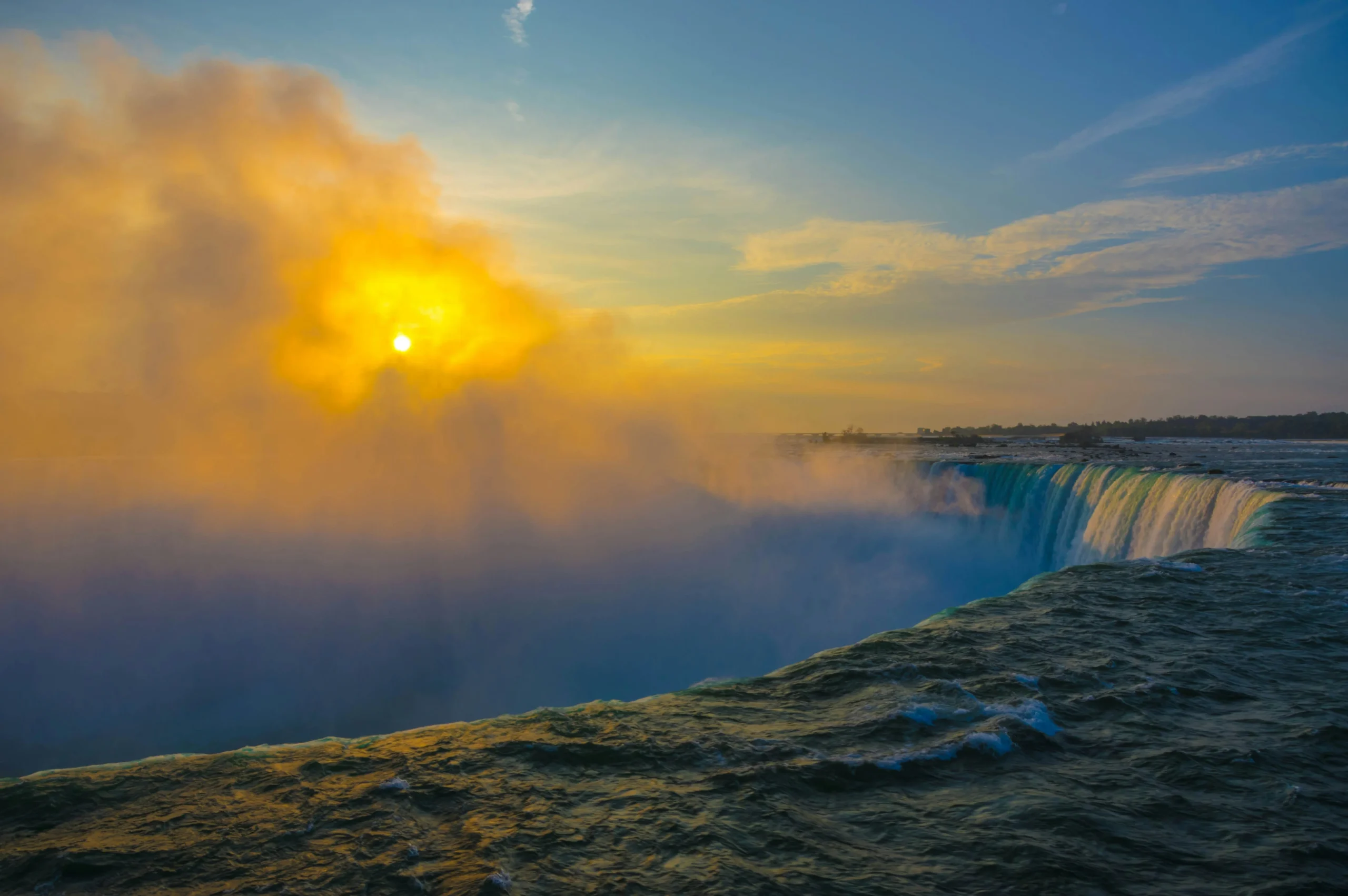
Spring is the most underappreciated season to experience the Falls because of the sheer volume of water flowing over the waterfall. The water released from melting snow flows into the Niagara River, resulting in a strong flow over all of the Horseshoe Falls. On colder mornings, the volume and mist that is released from the waterfall can be very dramatic. The early-season greenery contrasts nicely with the flowing dark water and the rocks. This creates a perfect environment for photography.
The early spring season offers a more enjoyable, spacious experience. March and early April provide a stark contrast to the busyness of summer. People can walk freely along the railing viewpoints, as there is no need to wait for a viewing area to open. People can enjoy the park’s space and activities, as May brings more visitors, though not as many as in the summer months.
The general pattern of hotel pricing is similar. The months of March and April typically have lower average nightly rates than peak-season prices. Prices start to increase as May approaches, and weekends in May tend to be more expensive. The last two weeks of May offer the best combination of cost efficiency and good weather. The last two weeks of May are when the weather starts to get better.
The main drawback of spring travel is the weather. Rain is inevitable, and temperatures can shift drastically, sometimes multiple times, throughout the day. Packing well in advance with waterproof jackets, enough layers, and flexible itineraries will allow for a more seamless travel experience.
If you’re travelling to this region during this time, consider planning visits to nearby attractions, such as wine-tasting in Niagara-on-the-Lake or guided walking tours. March and April typically don’t require bookings; however, weekend pricing during late May can vary greatly.
Best Spring Experiences in Niagara Falls
Visiting Niagara Falls in Summer (June–August)
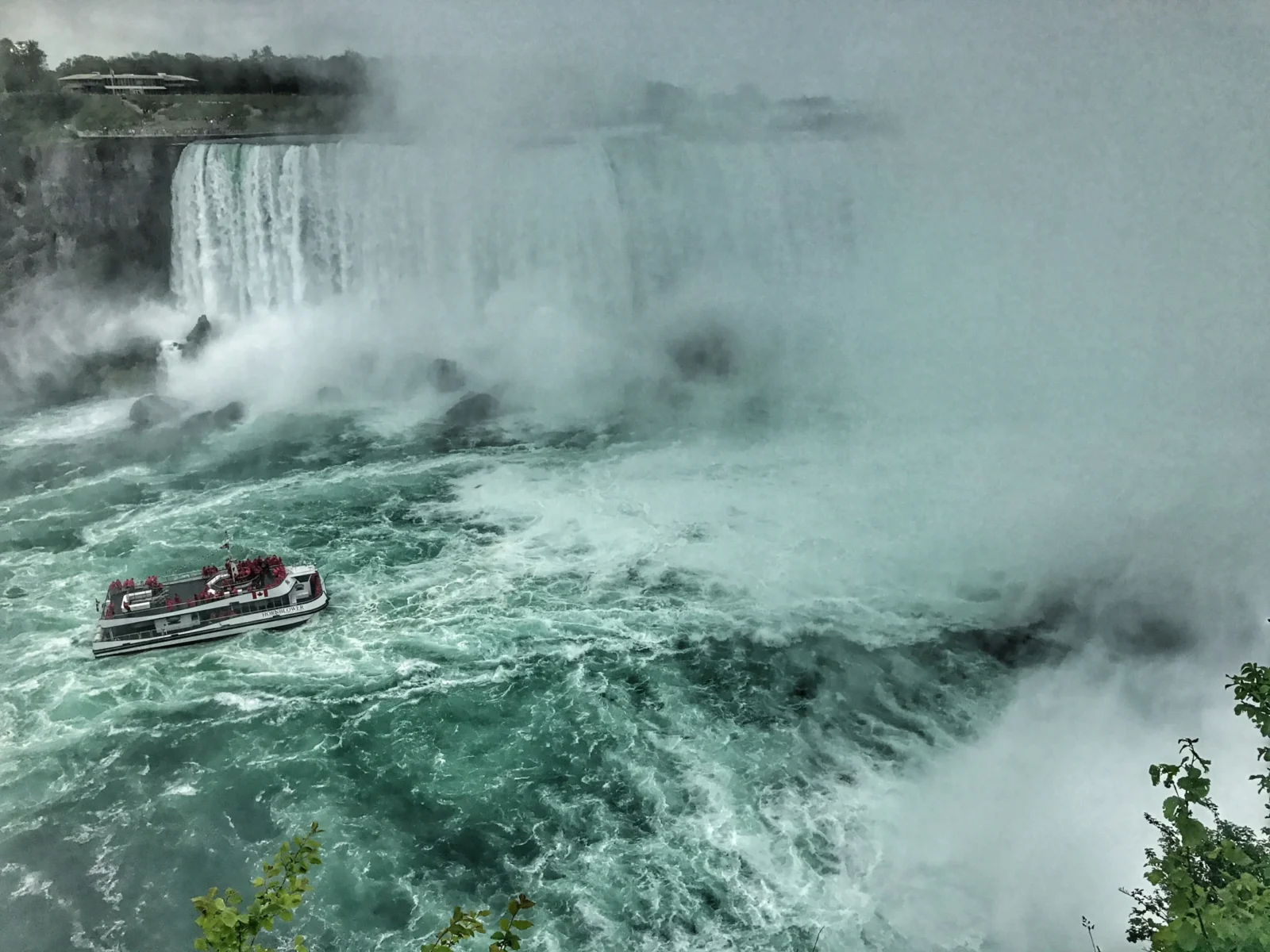
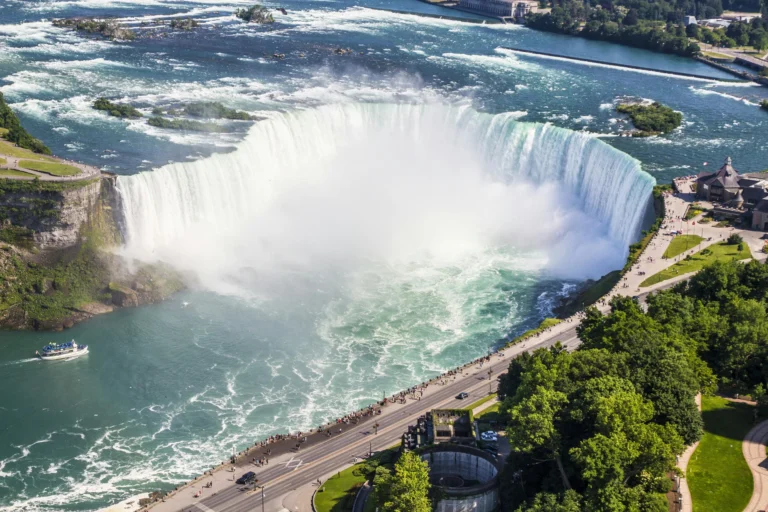
Crowds flock to Niagara Falls in the summer months. From the end of June through to the end of August, warm temperatures, extended hours of daylight, and fully booked attractions create an exciting, busy atmosphere along the promenade. The average daytime high is 20°C to 30°C, which allows for comfortable long walks along the Niagara Parkway and evening visits to the illuminated waterfalls.
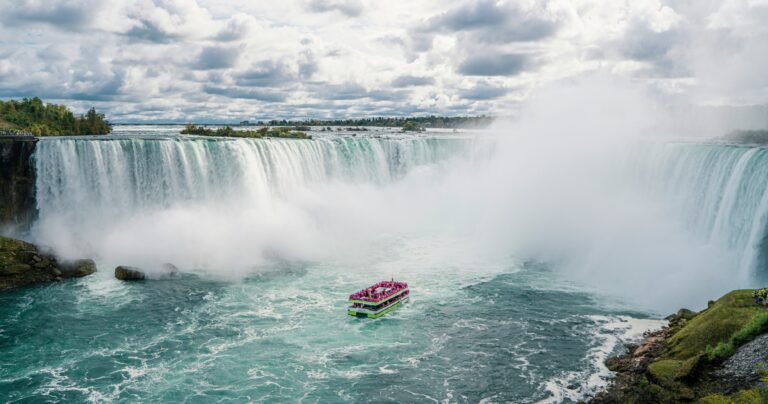
All major attractions in Niagara Falls reach their operational capacity. There are frequent departures for boat cruises and helicopter tours, and the observation decks are open late. On some evenings, fireworks are displayed, further extending the attractions’ operating hours and bringing larger crowds to the waterfront to view them.
In terms of activity, July and August are the most dense. The viewing platforms closest to Horseshoe Falls fill up from 11:00 a.m to 4:00 p.m. There is high demand for viewing rooms at the Fallsview Hotels, and they charge peak rates.
June is less crowded, but the warm weather brings crowds. Early June is typically less congested compared to late July.
Summer requires significant planning. To enhance your experience, you may want to consider scheduling major viewpoints for early morning or late evening, reserving boat cruises, and booking accommodations in advance.
Summer is the best time to visit Niagara if you are travelling with children or enjoying the hot weather. It allows you to experience Niagara Falls at its fullest, with maximum access and energy, provided you are ready for peak-season traffic and crowds.
Top Summer Tours in Niagara Falls
Visiting Niagara Falls in Fall (September–November)
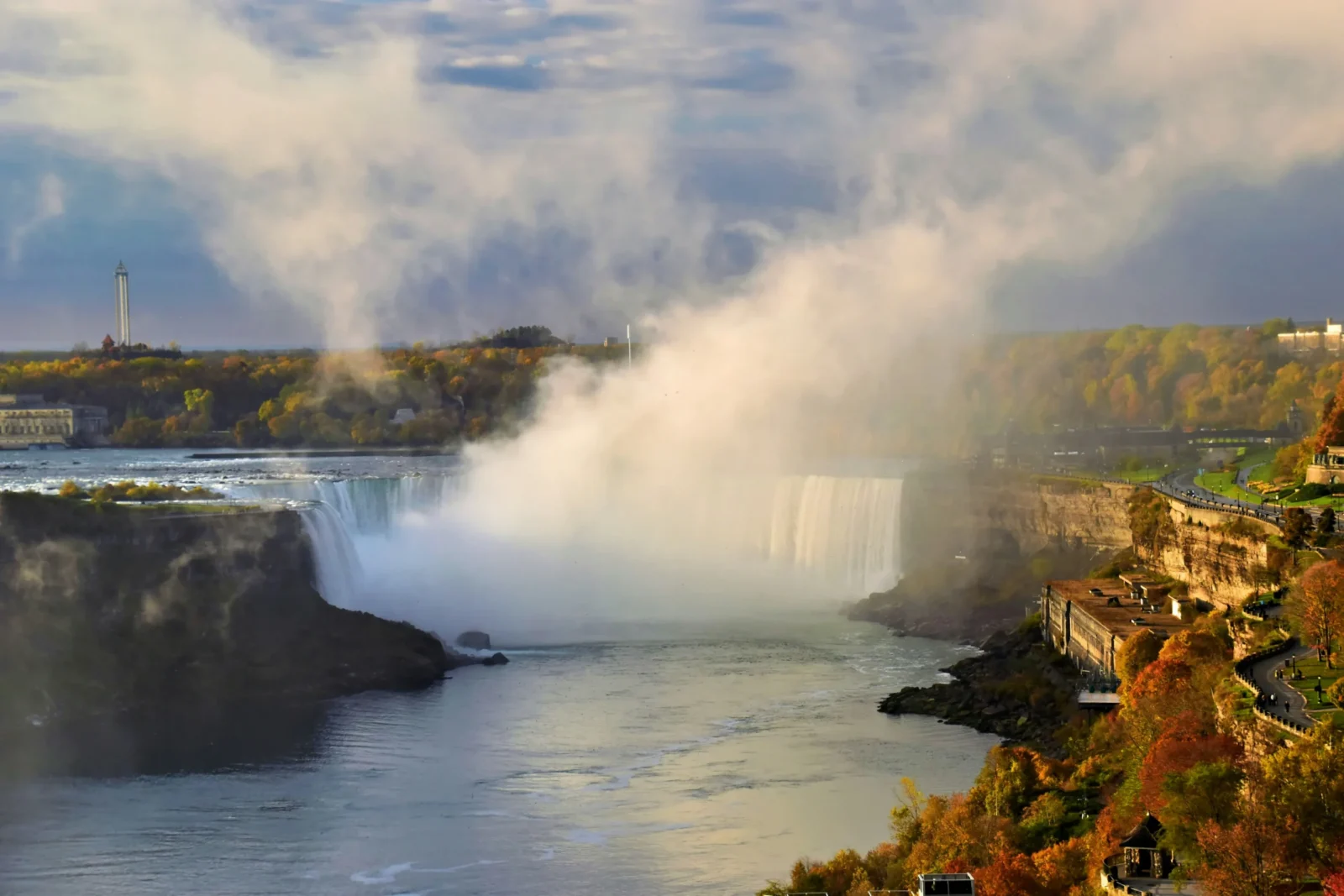
Aside from the ice and snow of winter, fall is the most consistent and stable season at Niagara Falls. After the crowds of the summer season, the general atmosphere of September is different. The humidity will drop, and the temperature will remain warm. Just like the rest of the summer, comfortable walking times will also be present. This will create a good atmosphere for walking along the Niagara Parkway.
Compared to the rest of the summer, September is more stable. A large number of attractions will remain open, but fewer people will be at the major viewing points. The Falls View hotels are booked, but typically at lower rates than during the summer peak. However, for first-time visitors, early September is necessary for good weather and a reasonable number of people.
When the first weeks of autumn arrive, the Touchell Woods and the rest of the parks near the Gorge are awash with the deep reds, solid gold, and burnt oranges. The bright, warm colours of the gorge really set the scene for great photography, and the powerful mist adds to the atmosphere. The dramatic, soft, and warm tones create a perfect environment for great photography.
Drop-in leaf peeping will likely draw moderate crowds on October weekends, but weekday mornings will be noticeably quieter. Streams can be walked along, and observation decks are less crowded than during the summer peak season.
November signifies the start of winter. As it gets colder and the number of visitors drops, hotel prices fall too. Some seasonal attractions start to close, but the waterfalls remain just as powerful. Visitors looking for space and quiet to counter the cold are happy with late autumn at the falls.
There are many benefits to travelling in the fall. It pairs well with activities at the waterfalls, plus the harvest season means visitors flock to the wineries and drive around the countryside. This time of year, it is especially good to combine the less crowded waterfalls with hiking and exploring the surrounding countryside.
For people looking for a comfortable climate, early to mid-September is the time to travel. It is one of the safest travel recommendations.
Top Fall Experiences in Niagara Falls
Visiting Niagara Falls in Winter (December–February)
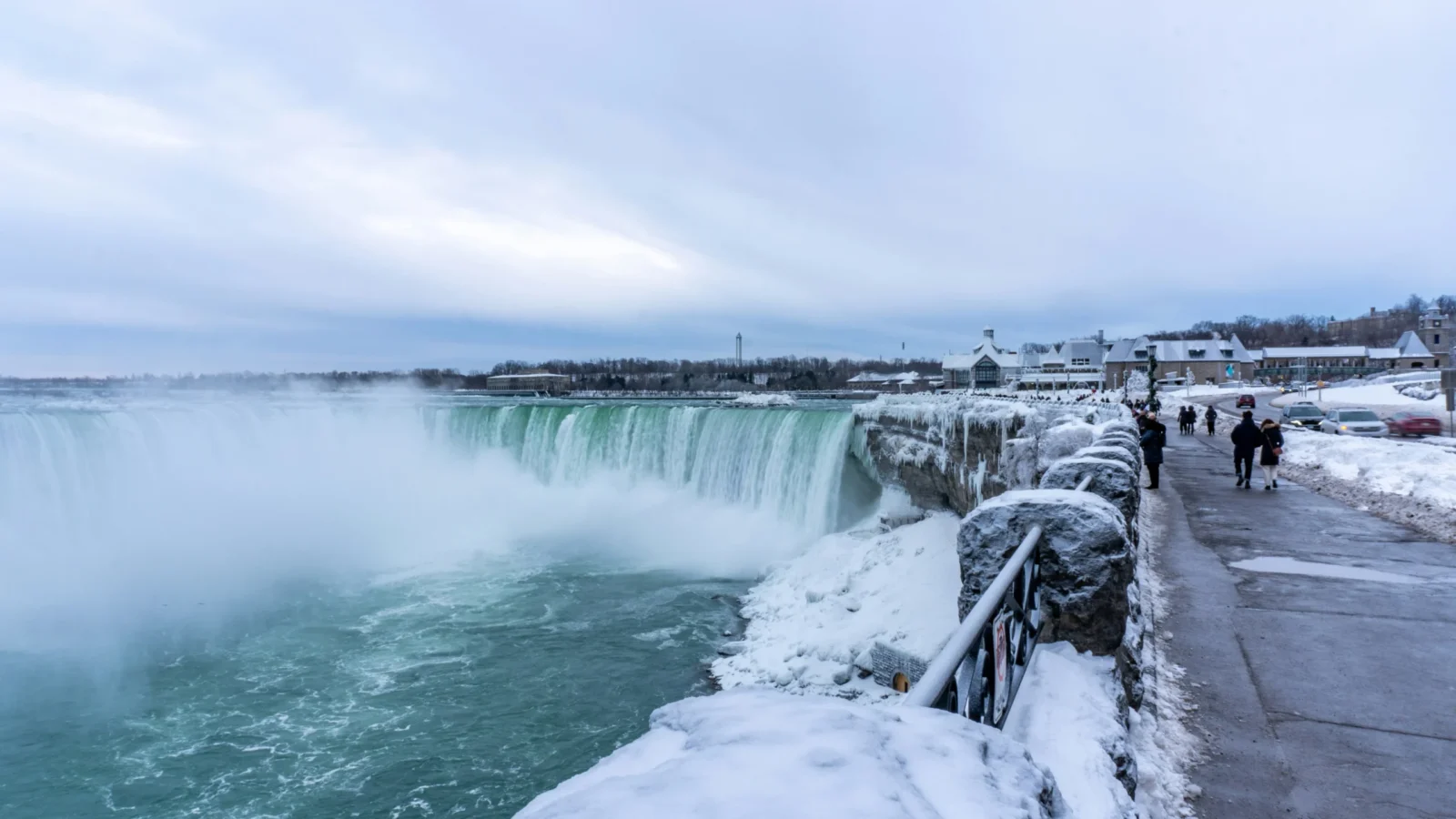
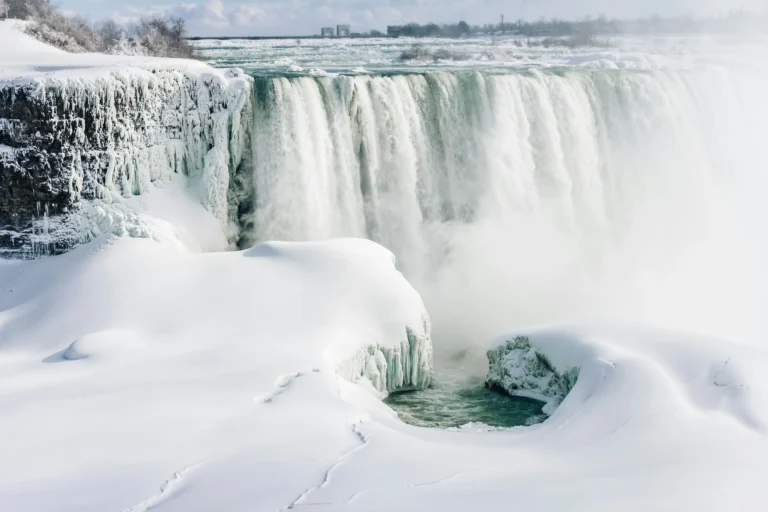
The hustle and bustle of a summer Niagara Falls jumps out and grabs you. Still, in contrast, the winter months are calm and tranquil, allowing visitors to wander and explore the majestic beauty of the frozen waterfalls. Mess on the cliffs, along the railings and trees nearby, and the waterfalls never freeze completely, allowing ice. On the coldest of mornings, the mist rising from Horseshoe Falls forms almost surreal sculptures atop the frozen veil.
January and February temperatures frequently dip below freezing. The sudden, harsh winds that cut across the gorge create a significant wind chill, most pronounced at the open viewing platforms. Because of this, winter clothing consisting of thick outer layers, insulated boots, and gloves becomes particularly important.
Still, winter offers one significant advantage: space. Outside of holiday weekends in late December, crowd levels drop sharply. Those walkways, tangled in July, become eerily quiet in mid-January, and the viewing platforms become available.
In Niagara Falls, January and early February are typically the most affordable months, leading the Fallsview hotels to adopt peak-season pricing; during this time, Fallsview room prices are more reasonable than usual. For visitors prioritising budget and calm over warmth, winter is extremely compelling.
Due to weather conditions, some tours may operate with adjusted schedules. For example, most boat cruises will not operate during the colder months, and some outdoor attractions may have altered hours. Still, a large number of attractions, including outdoor observation decks, Fallsview restaurants, and other year-round offerings, will continue to operate.
Winter is also the season of the Winter Festival of Lights. It’s a longstanding tradition to add light displays to the area during winter to provide new sorts of illumination. The pathways covered in snow, paired with the seasonal lights, provide a very different experience from the summer, when the fireworks light up the night sky.
While many may think of winter as undesirable, those who value quietness, extraordinary scenery, and more affordable places to stay should consider it an unexpectedly rewarding season. January is typical of this and is the month that provides the quietest environment, accompanied by the most spectacularly formed ice.
Winter-Friendly Niagara Experiences
Month-by-Month Breakdown
Niagara Falls seasonal summaries provide travelers with a brief description of the destination’s overall environment. However, many travelers prefer to plan their trips to the falls for a specific month. Depending on the month of the visit, the experience at the falls can vary widely due to the weather, how busy the destination is, hotel prices, and countless other factors.
January
In January, Niagara Falls experiences cold weather and is generally regarded as one of the coldest months of the year. It is common to experience temperatures below freezing. Furthermore, ice structures are built along the edges of gorges and tree railings. Even though it may be a busy holiday period, the rest of January sees very few crowds, making it one of the quietest months to visit the waterfall.
February
Lower temperatures persist in February, although the number of daylight hours gradually increases. Valu hotel prices persist as some of the cheapest in the year, and with low visitor numbers, it can be a good time to visit if low temperatures don’t deter you.
March
March ushers in some seasonal changes. While the beginning of the month may still experience some wintry weather, the latter end of the month tends to be milder. It is also worth noting that at the end of the month, crowds tend to be low, which encourages travelers to be more mindful of their budgets.
April
April shows some signs of spring along the Niagara Parkway. The weather is starting to warm up, although rain showers are expected. The powerful falls become even more impressive due to the melting snow upstream. The number of spring visitors increases slightly, but remains manageable.
May
May is undoubtedly one of the best months to visit the Niagara Falls. The weather is comfortable, new attractions are fully open, and the visitor numbers are low. By the end of May, the Summer tourism season starts.
June
With the warm weather and long daylight hours, there are no intense summer crowds. Attractions are at full capacity, and the walking conditions are excellent. This makes early June one of the best times to visit the falls.
July
With warm weather, open attractions, summer holidays, and fireworks, July is the peak tourism season. This is the time of year when the falls get the most visitors. Midday hours at the viewing platforms can be especially crowded.
August
August is very similar to July, with high temperatures and even more tourists. This is when hotel and attraction prices are highest. Morning and evening hours are the best times to go out.
September
Most people would agree that September is the best month to go to Niagara Falls. The weather is still warm, and the crowds are light as people return to work after the Labor Day holiday. The warm weather and low crowds make Niagara Falls especially attractive to patrons.
October
As Niagara Falls is known for its mist and falls, the foliage turns to a beautiful, vibrant fall color, giving photographers a spectacular backdrop. The low crowds and many autumn activities make the fall a great place for patrons to take photos.
November
As temperatures decrease and tourism is quiet, November definitely feels much calmer. November also feels calmer, as hotel room rates are lower than in summer and the viewing areas are less crowded than at other times. It is a good option for travelers seeking calm conditions.
December
December brings winter temperatures and the Winter Festival of Lights. With holiday decorations and light displays, the falls and light displays offer a lovely view. Crowds are known to increase during the Christmas and New Year holidays.
While every month offers a different perspective on Niagara Falls, late spring and early fall consistently provide the strongest balance between weather, crowd levels, and pricing.
When to avoid visiting Niagara Falls?
While Niagara Falls is accessible to visitors all year, certain travel priorities may make visiting at certain times more difficult. The busiest time to visit is during the peak summer weeks of July and early August, when warm weather, school holidays, and international tourism create heavy traffic at the major viewing platforms.
During the peak summer weeks, the promenade at the Horseshoe Falls becomes overly crowded and difficult to navigate at most hours, especially at midday, and Fallsview hotels become the most expensive they will be all year. Plus, even unobstructed room views of the Falls can be sold out weeks to months in advance.
Holidays, especially long weekends, cause the same types of patterns. Parking becomes more difficult, and visitors can expect long delays at any of the area’s attractions.
Winter can be even more difficult to travel in. In January and February, hotel prices drop, and the viewing areas become fairly quiet, but the weather can drop to sub-zero temperatures. Strong gusts of wind can make outdoor activities meant to be relaxing incredibly uncomfortable.
Travelers can expect the most peace during peak summer weekends and holidays, avoiding periods of the most conflict, which will give them the calmest visit.
Skip the Lines with a Guided Tour
Choosing the Best Time Based on Your Travel Style
The ideal season to visit Niagara Falls varies by visitor. Individual attractions, the weather, and the number of people vary. It’s easier to narrow down the focus based on what you prefer to do and how you like to travel.
Since most travelers prefer fully operational attractions and pleasant weather, late spring and early fall are the most popular times to visit. During these months, attractions also have more manageable crowds. First-time travelers are especially well-suited to visit during late spring to early fall, specifically in May, June, or September, as these months offer more pleasant weather and safer crowds.
When attractions are fully operational, daylight is at its peak, and temperatures are warm, tourists consider July and August the best months to visit. With this mentality, tourists traveling with their kids usually do so during school vacation months. Crowds, tourism, and hotel rates are also at their highest here in August, making this a terrible time for travelers seeking peace in less-populated areas.
September and October are the preferred months for visitors traveling as a couple or photographers. The vegetation of the Niagara River gorge is different at this time, producing beautiful fall foliage.
The cold temperatures and lower rates in January and February also attract travelers, as do fewer visitors and the unique atmosphere created by frost.
For a first-time visitor seeking the safest choice, planning for late May or September generally offers the best combination of weather, crowd size, and access.
Frequently Asked Questions
Does Niagara Falls freeze in winter?
No, Niagara Falls never freezes completely. The water continues flowing year-round, but ice can build up on the cliffs, railings, and trees surrounding the falls. During extreme cold, ice can become quite spectacular.
What month has the best weather in Niagara Falls?
Based on the weather and the number of people visiting, September is the best month. The temperature is milder, the humidity is lower than in the summer, and the crowds start to thin out after Labour Day.
Is Niagara Falls crowded in summer?
Yes, the summer months of July and August are the busiest times to visit Niagara Falls. The combination of warm weather and school holidays draws large crowds, especially around midday at the main viewing platforms.
Is it worth visiting Niagara Falls in winter?
Yes, the winter experience at Niagara Falls is very different from other times of the year. Even though it is much colder, the falls often have very beautiful ice formations, and the number of visitors is significantly lower. Many people enjoy the solitude.
How many days do you need in Niagara Falls?
Usually, visitors need 2 days to see the falls, do the main activities, and see the rest of the area. This 2-day Niagara Falls itinerary may help you better organize your time.
Final Recommendation
You can visit Niagara Falls any time of year, but the experience can change drastically from season to season. For the most comfortable weather, the smallest crowds, and full access to attractions, visit in late spring or early fall.
For the hottest weather and the most energetic atmosphere, summer has the most crowds. If you prefer quieter viewing and dramatic scenery, winter is a great time to visit.
Every season has something to offer, and the experience of the powerful waterfalls remains the same. The best time to visit is dependent on the experience you would like to have. Each season reveals something different, but the waterfalls are powerful all year.