Best Time to Visit Toronto
Toronto is a city that is constantly changing, much like the seasons. Exploring the city in the winter could mean going ice skating in the heart of the town, and in the summer, you could be having drinks on a rooftop patio while the city is over 30 degrees.
Because of these drastic changes, the best time to visit Toronto is based on what you would like to experience in the city. In this overview, I will look at a combination of data and seasons to offer the best time for you to visit Toronto based on your preferences, including weather, festivals, and how much you are willing to spend to travel.
If you’re a first timer, you can check out our 3-day Toronto itinerary, which highlights all the must-see spots in the city.
Toronto Travel Seasons at a Glance
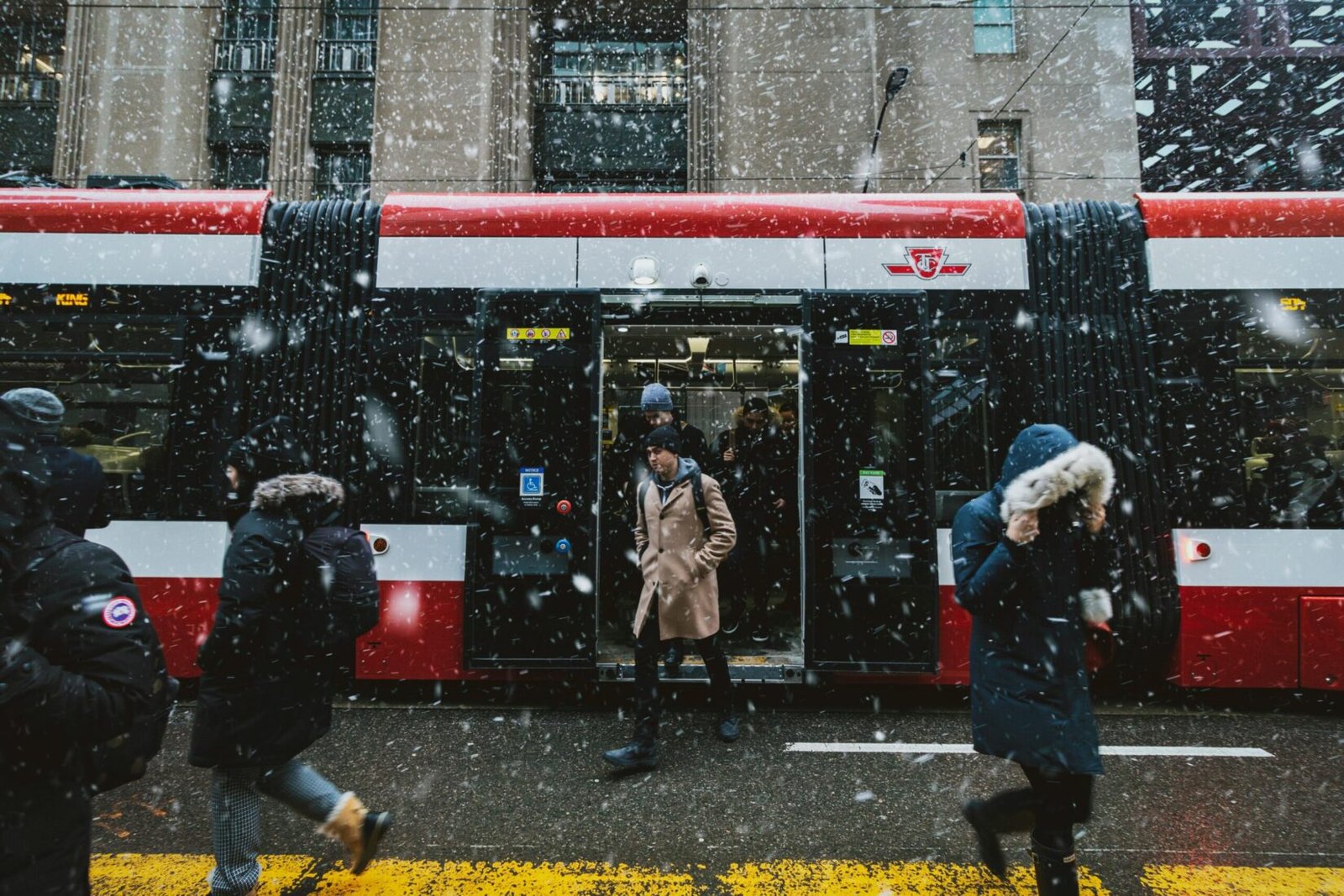
There are four very different Toronto travel seasons.
Summer (June–August): Festivals & Outdoor Energy
With complete patios, waterfront activities, and the most significant festivals, summer is the most lively in Toronto.
Fall (September–November): Culture & Colour
With vibrant leaves and significant cultural events like TIFF, the cooling temps of fall are welcome.
Winter (December–February): Cozy, Cultural & Budget-Friendly.
Fewer activities mean more in your pocket! With a focus on indoor attractions, winter is the time to visit food festivals and sports events.
Spring (March–May): Quiet, Local & Underrated
With fewer tourists, spring is peaceful and offers a more local feel. Activities in spring can be a bit unpredictable.
Toronto Month-by-Month Travel Guide
January: Deep Winter, Lowest Prices, Zero Crowds
If you’re okay with freezing temperatures, January is the cheapest time to visit the city. Toronto’s winter is in full swing, and highs are between -6°c and -1°c. While snowy streets might not be great for hikers, you get almost empty streets at the top tourist spots and the cheapest hotels of the year.
- Costs: Lowest
- Crowds: Very Low
- Local Pro Tip: Use the PATH. The PATH is a 30-kilometre underground walkway system that includes food and shopping. You can explore the majority of downtown Toronto without walking outside.
- Avoid if: You want to walk the Harbourfront. The wind off Lake Ontario in January is biting, making outdoor strolls difficult.
February: Chilly Weather, Food, & Sports Energy
February is still wintery with temperatures from −5°C to 0°C, but the city feels more active. Also, Winterlicious takes place in late January to mid-February, so you get to try Winterlicious serves even more of Toronto’s best restaurants.
- Costs: Low to moderate
- Crowds: Low
- Local Pro Tip: If you want to enjoy Winterlicious, reserve your tables as soon as the reservation system opens up. The more the Distillery District and Yorkville hit, the more places go out of stock in a matter of weeks.
- Avoid if: you are not a fan of winter, pack up, and winter walking, and beware of icy sidewalks. February usually brings flash freezes.
March: Shoulder Season with Unpredictable weather
March is a transitional phase. Temperature ranges: −1 to 8 degrees Celsius. The weather changes quickly. Early March could see snow, while late March feels like spring.
- Costs: Low
- Crowds: Low
- Local Pro Tip: March is the start of Sugar Shack season. Treat yourself to maple syrup goodies at the waterfront or regional farms, a true Ontario spring classic.
- Avoid if: You want pretty snow. March is called mud season because melting snow creates a grey slush.
April: Balanced Sightseeing and Improved Accessibility
April brings improvements. Temperatures range from 5 to 13 degrees Celsius. After mid-month, snow is no longer a problem. Tourist traffic is low, making for great sightseeing opportunities.
- Costs: Low to moderate
- Crowds: Low
- Local Pro Tip: When the temps hit 15 degrees for the first time, patio season opens.
- Avoid if: You expect full trees. Leaves won’t show until the end of the month.
May: Spring Has Sprung, and with it, New Blossoms and Warm Weather
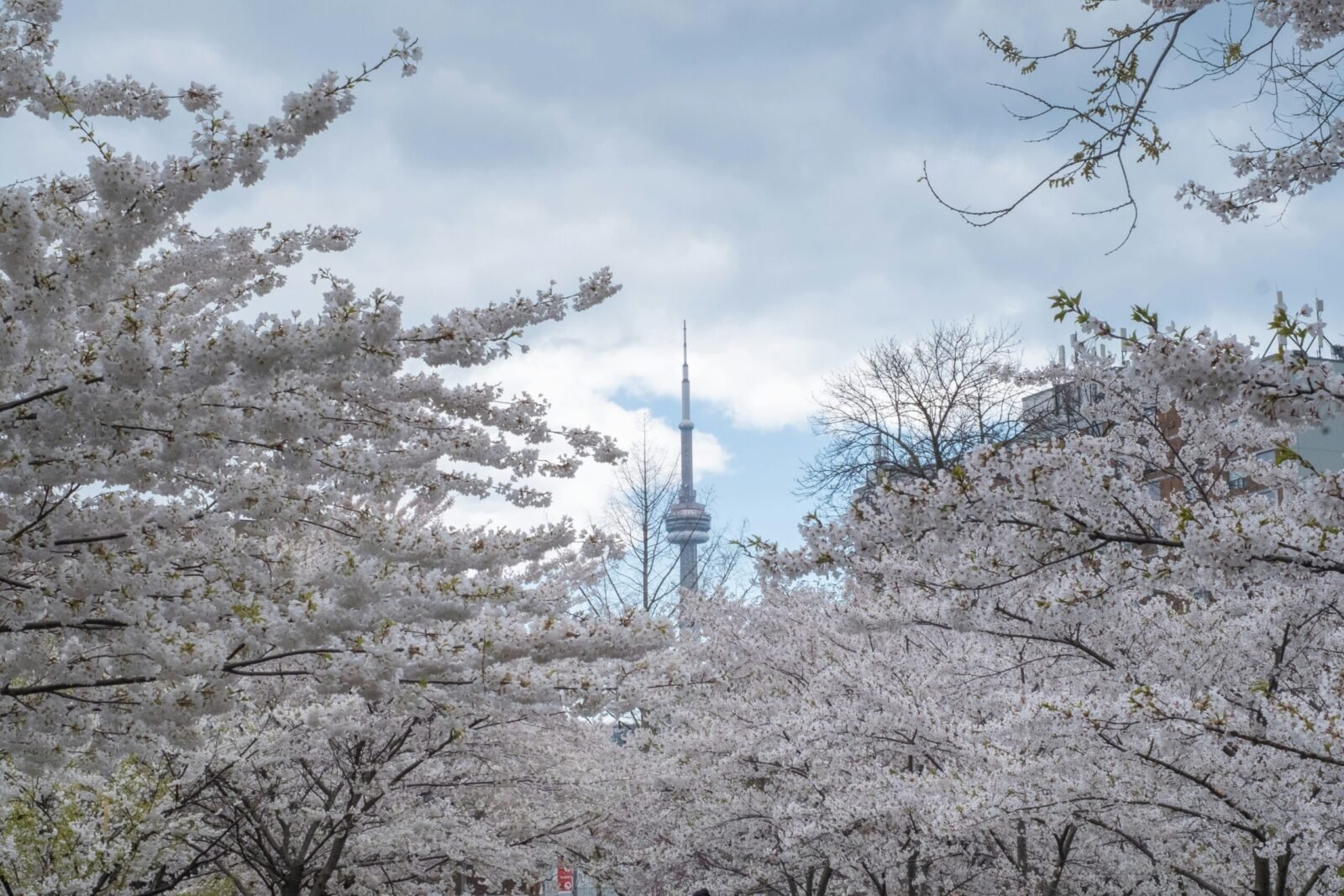
With temperatures from 12°C to 20°C, Toronto comes to life in May. The festival atmosphere returns to outdoor spaces, and trees bloom throughout the city.
- Costs: Moderate
- Crowds: Moderate
- Local Pro Tip: High Park gets very popular for its cherry blossoms, and to me, it’s quite the hassle. People flock there for the trees. You can see more cherry blossoms at Trinity Bellwoods Park and even fewer at the University of Toronto St. George campus.
- Avoid if: You have an intolerance to pollen. Toronto’s pollen can be abundant.
June: Early Summer Just Right
June is one of the best times to visit the city. Summer festivities take place with temperatures from 18°C to 25°C. Multiple street festivals and the city is filled with people. Pride Toronto kicks off down the streets in celebrations of diversity and acceptance.
- Costs: Moderate to High
- Crowds: Moderate
- Local Pro Tip: Rent a bike. The first lane along the water becomes quite busy in July. You’ll have to wait a bit before being able to ride the Martin Goodman Trail out by the water.
- Avoid if: You’re on a budget. Summer is known for high prices, so it’s best if you can handle the expenditures of the summer season
July: Height of Summer & Thriving Heat

July is the height of summer with temperatures ranging from 25 to 30 degrees Celsius. Canada Day festivities kick off the month, followed by large concerts and outdoor festivals.
- Cost: High
- Crowds: High
- Best for: Families and people who love festivals.
- Avoid if: You dislike heat and humidity. It can feel much hotter.
August: The Heat, The Water, The Culture
August cools from 26°C to 32°C, but humidity reaches its highest levels during the summer. To escape the heat, the Waterfront and Toronto Islands are essential. The Toronto Caribbean Carnival (Caribana) kicks off the Toronto summer festival season and features massive parades that take over the city.
- Costs: High.
- Crowds: High.
- Local Pro Tip: When the weather is too sticky, take the ferry to Ward’s Island. It is more peaceful than Centre Island, and has shaded paths and a relaxed beach.
- Avoid if: You prefer milder weather. Heavy outdoor activities can wear you out quickly, especially when the “Humidex” makes 30°C feel like 40°C.
September: The Best Overall Month
September is the most popular time to visit Toronto, hands down. Many travel experts consider this the best time to visit Toronto. The weather is nailing the sweet spot at 18°C to 24°C, and the humidity dips. Towards the end of summer, the Toronto International Film Festival (TIFF) takes over downtown with tons of activities and a vibrant energy.
- Costs: Moderate.
- Crowds: Moderate.
- Local Pro Tip: TIFF is a festival that does not require a fussy pass to have fun. The first weekend of the festival’s activities is held on “Festival Street” (King Street West), where there are a ton of free activities, like outdoor shows, music, and fun to watch people.
- Avoid if: You want a warm temperature and a lake for swimming. Summer heat has peaked, and the lake is starting to cool.
October: Enjoy the Colors and the Cool Weather
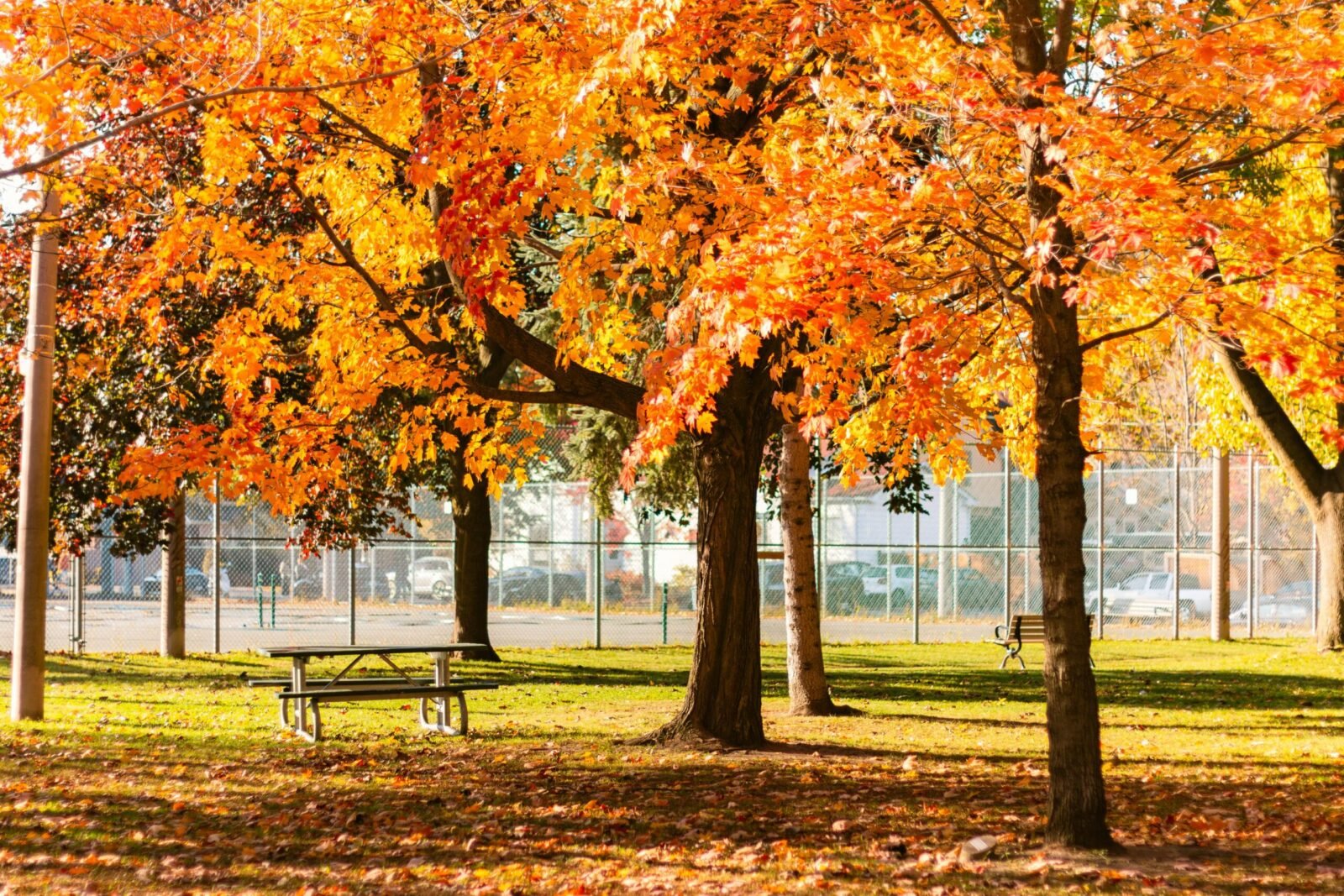
This month offers classic autumn weather, with temps ranging from the high 40s to the low 60s. The leaves and colors on the trees begin to change, offering incredible sights. There is a slight decrease in the number of tourists after Thanksgiving, creating an excellent opportunity to see the sights without a horde of people.
- Costs: Moderate
- Crowds: Low to Moderate
- Local Pro Tip: The ferry to the Toronto Islands is much less crowded, and the view of the skyline with the autumn leaves is beautiful.
- Avoid if: You don’t enjoy the temps dropping quickly after the sun goes down. You will need a solid jacket.
November: Peaceful, Cool, and Affordable
November is quiet and peaceful, with the leaves and colors now gone and winter not yet fully arrived. Autumn has entirely stopped, and winter has not yet started. The attractions are empty, and hotels have even dropped their prices, making it an excellent time for an inexpensive break in the city.
- Costs: Low to Moderate
- Crowds: Low
- Local Pro Tip: This is the best month for quiet museum visits. The AGO and ROM are empty, and you can soak in the exhibitions without the summer-tourist onslaught.
- Avoid if: You want to see the streets full of energy. The city goes grey and quiet in the in-between months.
December: Festive but Cold
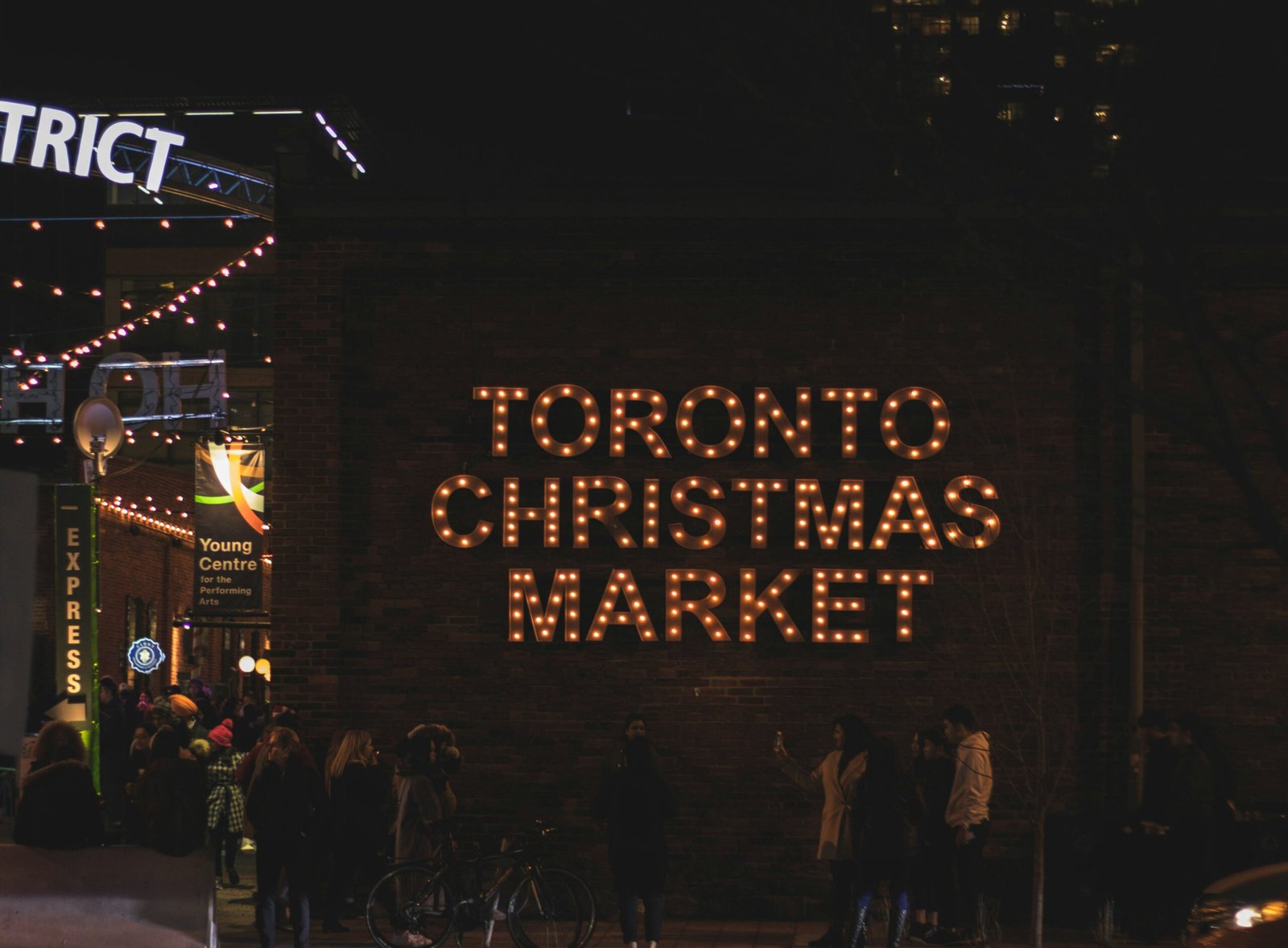
December comes, and with it, the holiday lights, seasonal market, and the festivity in the atmosphere of the city. The city will be in the following temperature range, -2ºC to 4ºC, and the chance of snow will increase as December comes to an end. The beginning of the month will be quiet, and the time between Christmas and New Year’s will be the busiest.
- Costs: Moderate to high (late month)
- Crowds: Moderate
- Local Pro Tip: The Distillery Winter Village is best visited on a weekday afternoon. The crowds are much smaller than on weekend evenings, so you can enjoy the light displays without standing in line.
- Avoid if: You dislike winter weather or holiday crowds.
Toronto Seasonal Planning Guide
| Month | Temp (High/Low) | The Vibe | Best For… | What to Pack |
| January | −1°C / −7°C | Quiet and Frosty | Budget Travelers | Heavy Parka and Boots |
| February | 0°C / −7°C | Foodie Energy | Winterlicious and Sports | Scarf and Warm Gloves |
| March | 5°C / −2°C | Slushy and Grey | Value Seekers | Waterproof Footwear |
| April | 12°C / 4°C | Fresh and Calm | Early Sightseeing | Light Layers and Umbrellas |
| May | 19°C / 11°C | Blooming and Bright | Cherry Blossoms | Light Jacket and Sneakers |
| June | 24°C / 16°C | Early Summer | Pride and Patios | Sunglasses and T-shirts |
| July | 27°C / 19°C | Hot and Vibrant | Festivals and Families | Shorts and Sunscreen |
| August | 26°C / 18°C | Humid and Festive | Caribana and Islands | Breathable Fabrics |
| September | 21°C / 14°C | Golden and Cultural | TIFF and Best Weather | Light Sweater for Nights |
| October | 14°C / 7°C | Crisp and Colorful | Fall Foliage Photos | Fall Coat and Boots |
| November | 8°C / 2°C | Chill and Moody | Museum Hopping | Warm Layers and Toques |
| December | 2°C / −4°C | Festive and Busy | Holiday Markets | Winter Coat and Hat |
Getting Around Toronto
It is easy to travel in Toronto because of the Toronto Transit Commission (TTC). The subway is the quickest way to reach major stops like Union Station and Bloor-Yonge; however, streetcars are a great way to see downtown. The 501 and 504 streetcars pass through important shopping and dining areas. To use the subway, streetcars, and buses (which you can transfer to for free), you need a PRESTO card. More information about streetcars, buses, and subway fares can be found in our guide on Getting around Toronto.
The Best Areas to Stay in Toronto
It all depends on what needs to be accomplished during a trip, as a suitable home base will vary from person to person. The Entertainment District is a good choice for first-time visitors as it is a short walk to the major theaters and the CN Tower. If a more sophisticated experience is what you are after, high-end hotels and boutiques can be found in Yorkville. A more local, academic atmosphere is found in The Annex, where you can find quaint homesteads, little coffee shops, and proximity to the university. If a more alternative experience is of interest, you can find roadside food vendors and food trucks in Kensington Market. For more information on each of these areas, see our more thorough guide on where to stay in Toronto.
Frequently Asked Questions (FAQ’s)
When is the best time of year to visit Toronto?
From July through September is the best time to visit Toronto because of the pleasant Weather, the large crowds of summer have faded, and significant events like the Toronto International Film Festival (TIFF) are taking place.
Which month has the best weather in Toronto?
From late June to September, the best Weather can be found in Toronto. These months provide warm Weather and low humidity, creating the best conditions for walking, outdoor dining, and exploring the city.
Is summer or fall better for visiting Toronto?
Fall is better for visiting Toronto than summer. Summer has festivals and restaurants with outdoor seating (patios), but Fall has fewer crowds, more available hotel bookings, and the outdoors are pretty with all the fall leaves.
What is the cheapest month to visit Toronto?
The cheapest months to visit Toronto are January and February. These are the best months to book hotels and flights because they are the cheapest. There are fewer tourists, and even in winter, some attractions remain open.
Is Toronto worth visiting in winter?
If you love cozy cafes, and are lucky enough to enjoy a good museum, support city festivals, enjoy sports, and want to explore a lot while on a budget, yes, winter is a good time to visit Toronto. The best way to explore the city in winter is to use the PATH, an underground walkway, to walk around downtown.
Which month has the most rain in Toronto?
June is the rainiest month in Toronto, but rain usually comes in short bursts rather than pouring all day. It won’t likely affect travel plans.
When is Toronto the most crowded?
Toronto is most crowded in July and August, especially during long weekends, significant events, and school breaks. This is when attractions, public transport, and lodging are busy too.
When is the best time to visit Toronto for festivals?
June to September is the best time to visit Toronto for the festivals. If you are in town for these months, you can attend Pride Toronto in June, multiple summer music festivals in July, Caribana in August, and TIFF in September.
When do cherry blossoms bloom in Toronto?
Cherry blossoms in Toronto bloom during late April and Early May. The peak bloom lasts only 7 to 10 days, and the best place to see them is High Park.
What months are best for sightseeing in Toronto?
The most popular months for sightseeing in Toronto are April, May, September, and October. These months have the best weather and the fewest visitors, so you’ll have shorter waits at attractions.
Is September a good month to visit Toronto?
September is a good time of year as the weather is pleasant, summer crowds thin, and TIFF takes place in Toronto, so it’ll be busy with friendly culture.
How long do you need to visit Toronto?
If you are just visiting Toronto itself, three to four days is plenty to see most of the attractions. If you want to visit other places in Ontario, five to seven days is better.
What is the best time to visit Toronto with kids?
In Toronto, the best time to visit with kids is July and August. The weather is warm, the kids are off from school, and there are plenty of outdoor activities and festivals.
What is the best time to visit Toronto for photography?
May and September are the best months for photography because there aren’t many people, the weather is nice, and September offers great lighting. October is also good because of the fall leaves.
What should I pack for Toronto by season?
In summer, pack cool, stretchy clothes and sunscreen. In winter, pack warm, insulated jackets, and wear gloves and waterproof boots. In spring and fall, pack clothes that can be layered.
Is Toronto expensive to visit?
Toronto can be more expensive in summer than in winter. Shoulder seasons have cheaper hotel and travel costs to visit Toronto. Dining and attractions can be experienced at all levels year-round.
The Final Verdict: When is the best time to visit Toronto?
If you want to visit the city once, September is the best time. You get the best version of Toronto weather, with warm days and cool nights, no summer humidity, and no winter slush.
If you want to go on a budget, late January to March is your time. You will need a good winter coat, but you will spend so little on hotels that you can afford to eat at some of the best restaurants. Families should visit in July and August to fully enjoy the Toronto Islands and the Harbourfront splash pads. Photographers should wait for the Don Valley fall colours in October.
A few Last Words
The more you visit, the more you will appreciate the city. It isn’t only about the big sites like the CN Tower; it is about the little things, like enjoying a coffee in a park or discovering a street festival.
This guide helps you choose the perfect season for your visit. Each month has its own “personality”. Just pack some comfy shoes, and be ready to adjust if the weather changes. We, locals, do it every day!
If you are starting your research, you can find more inspiration in our complete Toronto travel guide and see how to plan your travel around the province in our Ontario travel hub. If you have a question about a particular event or need a suggestion, drop a comment below. Have a fantastic trip!