
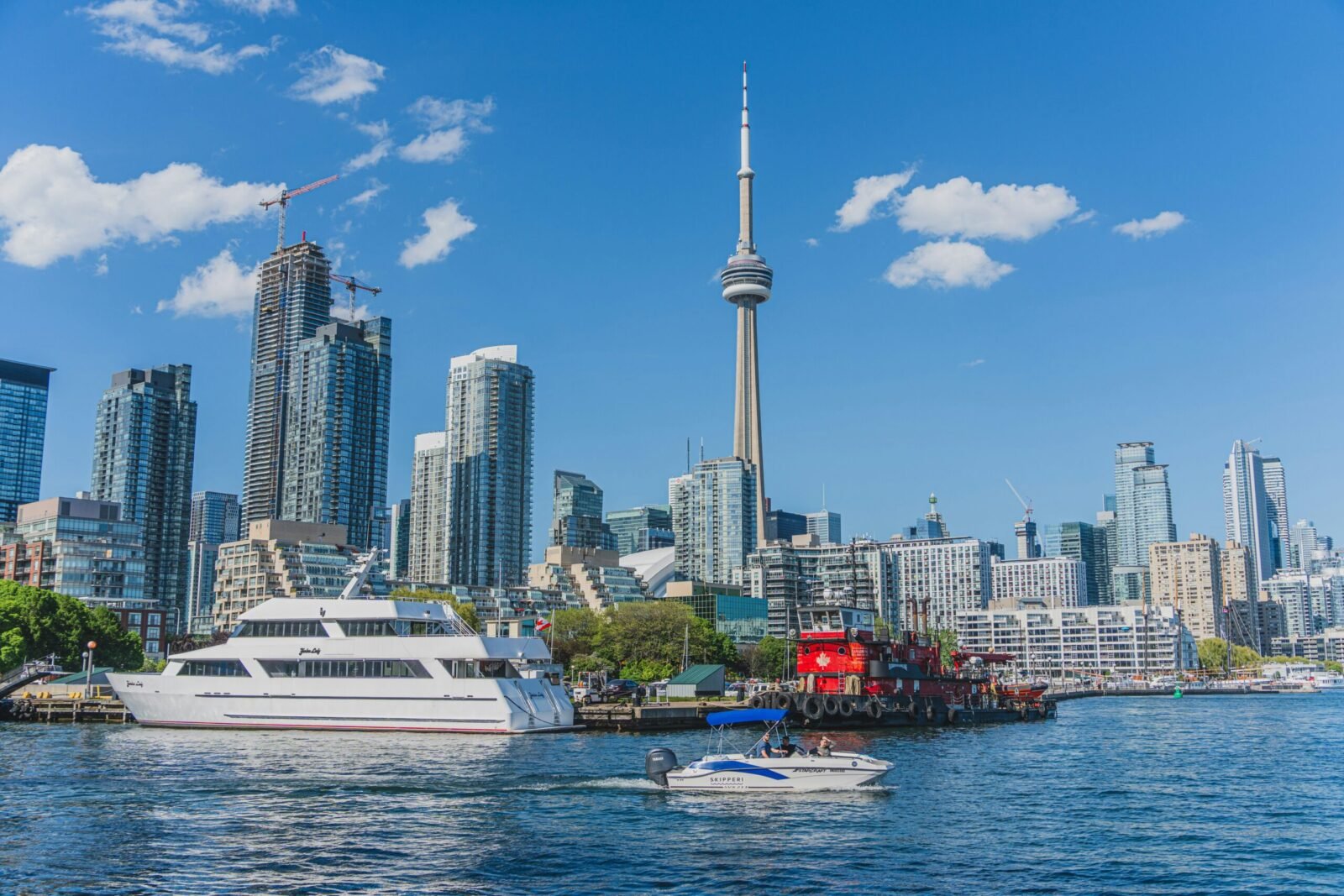
Getting Around Toronto
Getting around Toronto becomes easier once you get to know the system and how to navigate the city. Driving can be avoided in a fully walkable, cycleable, and transit-accessible public town, which can be used in conjunction with ride-sharing to transit one of the largest metropolitan cities on the continent.
Navigating Toronto can be tricky if you don’t know the layout. Whether you’re just landing at Pearson, staying in the heart of downtown, or exploring different neighbourhoods, this guide covers the easiest and cheapest ways to navigate the city.
Getting from Toronto Pearson Airport to Downtown
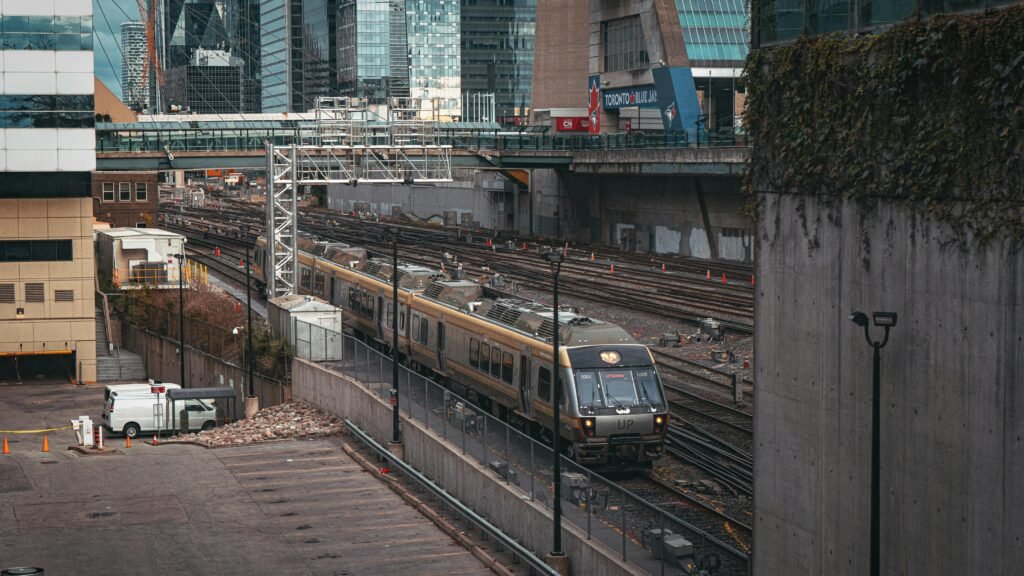
Toronto Pearson International Airport is located approximately 25 kilometres west of downtown Toronto. There are different ways to get to the airport from the city. The best one depends on how much money you would like to spend, how much luggage you have, and when you arrive.
|
Option |
Estimated Cost |
Travel Time |
Best For |
|
UP Express |
~$12.35 |
~25 minutes |
Fastest, avoids traffic |
|
Rideshare Uber/Lyft |
$45-$75 |
40-90 minutes |
Families, door-to-door |
|
Airport Taxi |
$60–$80 |
40–90 minutes |
Flat rates, no app |
|
TTC 900 Airport Express |
$3.35 |
60+ minutes |
Budget travelers |
Tip: The UP Express departs every 15 minutes from Terminal 1. Passengers at Terminal 3 can board the free Terminal Link train to the station.
Public Transit in Toronto (TTC)
Toronto – GTA: The Toronto Transit Commission (TTC) is Toronto’s public transit system, consisting of a subway, streetcars, and buses. It is also the most popular and affordable way for tourists to get around.
The TTC operates every day of the week and serves nearly every large neighbourhood, attraction, and transit hub in the city.
Paying for Transit and TTC fares
Toronto uses a contactless fare system that is simple for visitors.
You can pay by tapping:
- Credit or debit cards
- Mobile wallets (Apple Pay / Google Pay)
- PRESTO cards
TTC fare details:
- Single fare: $3.35
- Two-hour transfer: Unlimited travel within two hours
- Automatic fare capping: Monthly spending limits apply when using the same card
This eliminates paper tickets or physical passes.
Subways, Streetcars, and Buses Explained
Subway System
Toronto’s subway is the fastest way to travel longer distances:
- Line 1 (Yellow): Downtown and midtown loop
- Line 2 (Green): East–west route
- Line 5 (Eglinton Crosstown): Midtown connection
- Line 4 (Sheppard): North York
Streetcars
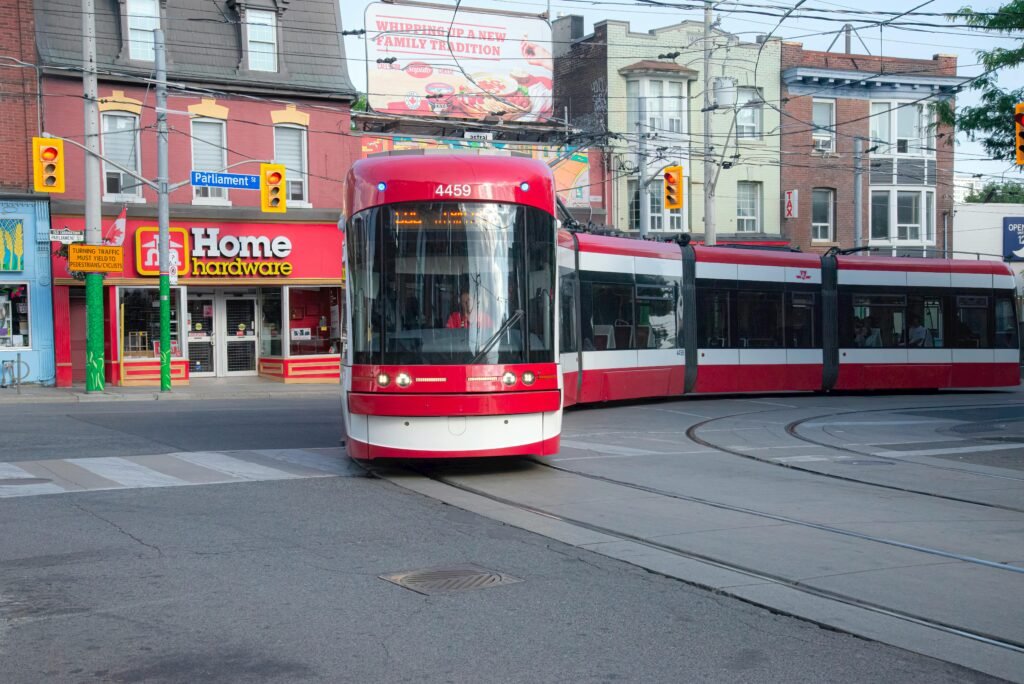
Streetcars are common downtown and helpful in reaching neighbourhoods along Queen, King, and Dundas Streets.
Buses
In North York and Scarborough, buses are the primary mode of transportation, rather than subways or streetcars.
Walking around Toronto
As Toronto’s central neighbourhoods are highly walkable, walking is an excellent way to explore the city.
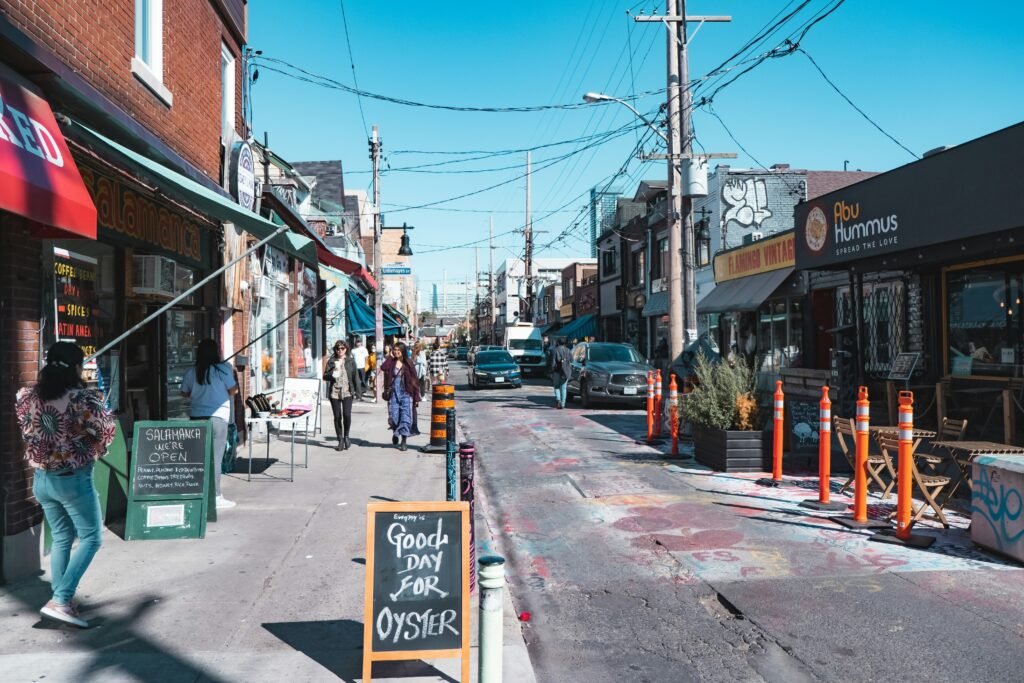
Popular walkable areas include:
- Entertainment district.
- Kensington Market
- Queen West
- Harbourfront
Best Things to Do in Toronto recommends walking to explore the places highlighted in the list.
Cycling and Bike Share Toronto
During the warmer months, cycling is one of the most convenient ways to get around Toronto, especially for short distances or along waterfront routes. Increasing bike lanes and multipurpose paths in downtown areas have made cycling a viable option for tourists.
Bike Share Toronto is a lifesaver if you want to get around without the hassle of actually owning or storing a bike. You’ll find docks everywhere, all through downtown, along the waterfront, and in spots like Queen West, so there’s almost always a ride nearby. You can grab a classic pedal bike for a quick trip or an e-bike if you’re heading a bit further, or don’t feel like fighting the uphill climbs.
To figure out your route and find the safest bike lanes, take a look at the City of Toronto’s Cycling Network Map. It’s the easiest way to spot dedicated lanes, quiet side streets, and trails that cut across the city.
Taxis, Ride-Sharing, and Driving in Toronto
You can find Ubers, Lyfts, and taxis everywhere if you need a quick ride or it is getting late. There are several apps you can use to check prices before you jump in, but keep in mind that fares may increase during peak times.
If you are staying downtown, it is advisable not to drive. The soul-crushing traffic and parking rates that often exceed $50 per day make it more of a hassle than it is worth. Save the rental car for day trips outside of the city, where you will actually need it. Keep an eye out for the Green P signs if you must drive. Most of the time, city-run parking lots are less expensive than private garages.
Toronto’s PATH: The Underground Walkway
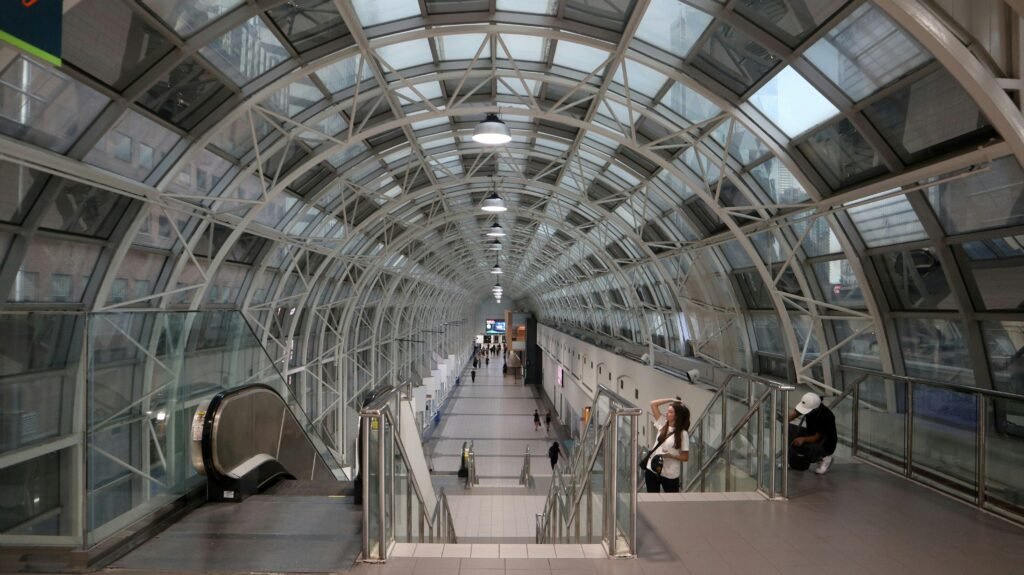
The PATH is basically a massive 30-kilometre underground city that links up office towers, malls, and major transit hubs like Union Station. It is a total lifesaver during a Toronto winter or on a rainy day because it lets you cross most of downtown without ever stepping outside.
Just a heads up that even though there are signs everywhere, the PATH is notorious for being a bit of a maze if it is your first time down there. It is definitely smart to keep a digital map or a navigation app open on your phone while you are exploring, so you don’t end up wandering in circles.
Frequently Asked Questions About Getting Around Toronto
Does the TTC run 24/7?
The subways usually wrap up around 1:30 a.m., but you won’t be stranded. The Blue Night Network takes over after that with buses and streetcars running along all the major routes until the morning.
Do visitors need a car in Toronto?
Not at all. Between the subways, streetcars, and your own two feet, you can see almost everything worth seeing. Plus, with ride-shares and bike rentals everywhere, a car is usually more of a liability than a help if you are staying in the city.
What is the best way to get from the airport to downtown?
The UP Express is your best bet for speed. It is a dedicated train that gets you to Union Station in about 25 minutes. Taxis and Ubers are great if you have a lot of luggage and want to go straight to your hotel door, but just be ready for traffic.
Can bikes be taken on the subway?
Yes, you can bring them on for free. The only catch is that you can’t bring them during rush hour. Stay off the trains with your bike between 6:30 and 10:00 in the morning and between 3:30 and 7:00 in the evening on weekdays.
Planning Your Visit
Getting your head around how Toronto moves will save you a lot of time and frustration. The best trick is to group your stops by neighborhood so you don’t crisscross the city and spend your whole trip on buses or trains.
If you’re only here for a few days, check out our 3-Day Toronto Itinerary. It lays out the best way to see the highlights without feeling rushed.