Toronto Neighbourhoods Guide: Where to Explore and Spend Time
Toronto is made up of many neighbourhoods, each with its own character. The history, geography, and communities that inhabit each area shape its unique rhythm, streetscape, and atmosphere. Knowing the character of each neighbourhood helps travellers to Toronto plan their itineraries and allocate their time most productively, based on their travel preferences.
Instead of attempting to visit all of Toronto’s many attractions, tourists will have a far more enriching experience by selecting a few neighbourhoods and immersing themselves in what each has to offer. This neighbourhood guide explains each neighbourhood’s unique offerings and ideal audience.
Table of Contents
Downtown Toronto
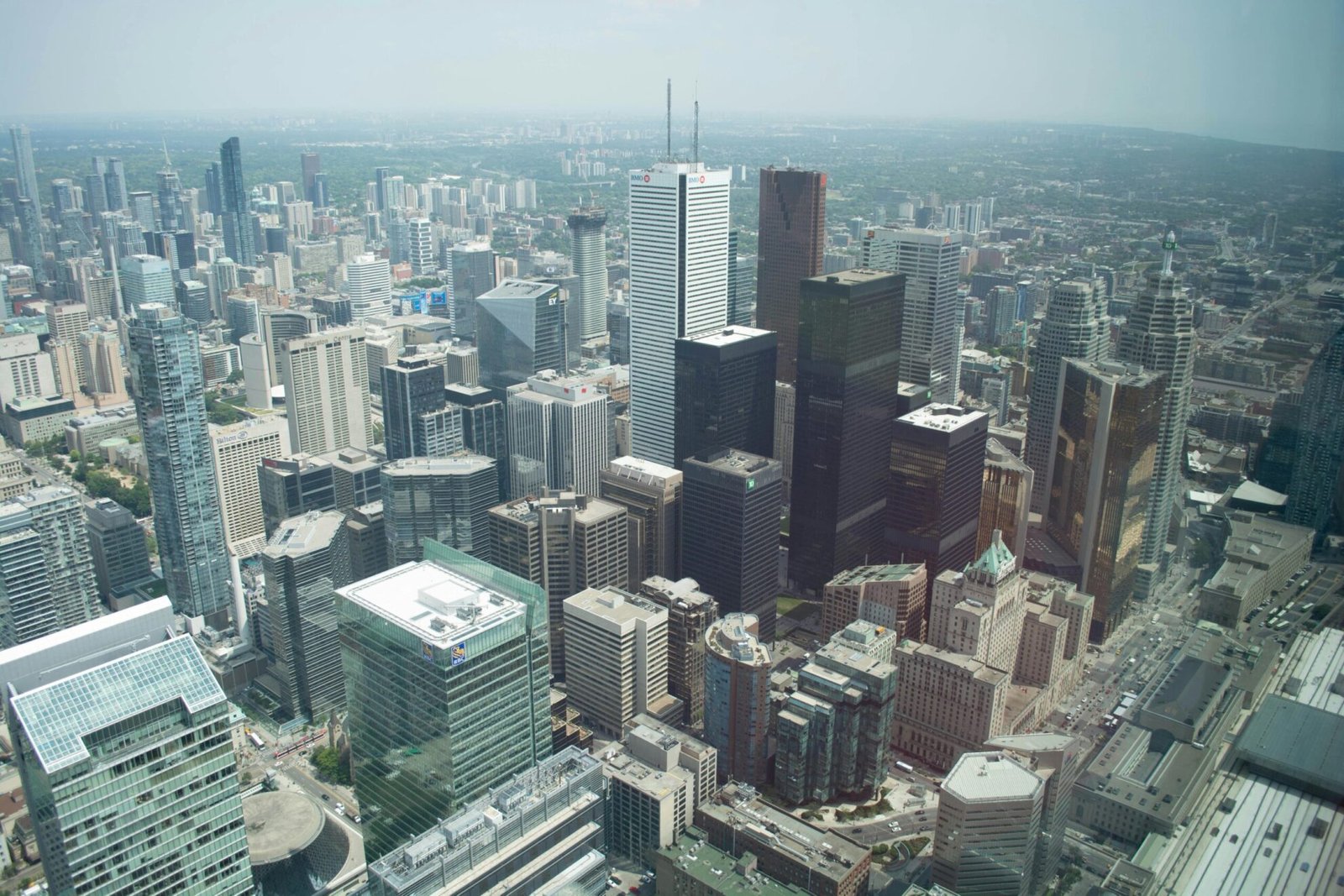
The Energy and Pace of Downtown
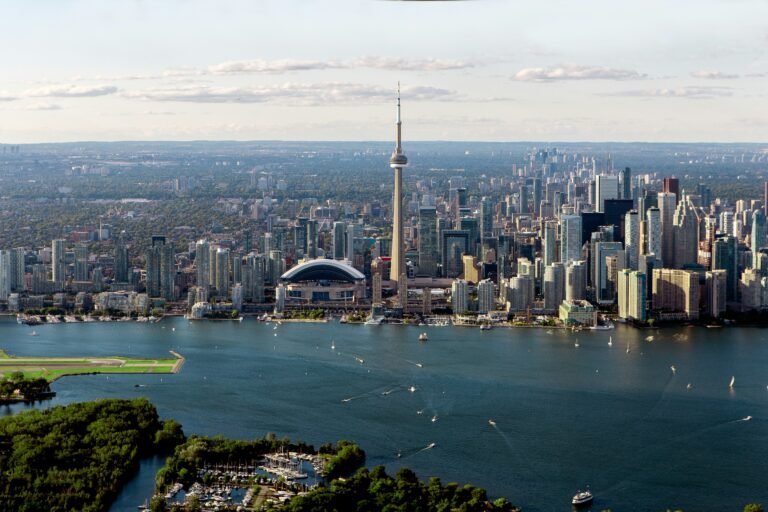
Downtown Toronto is the tallest and most dense neighbourhood in the urban centre of the Greater Toronto Area. Public transport options are abundant, and downtown Toronto streets are congested with vehicles and pedestrians from the start of the day until the end. There are numerous points of interest to visit, and while it is more vertical than any other neighbourhood, it has the most commercial activities. This is Toronto at its most metropolitan.
What You Experience Here
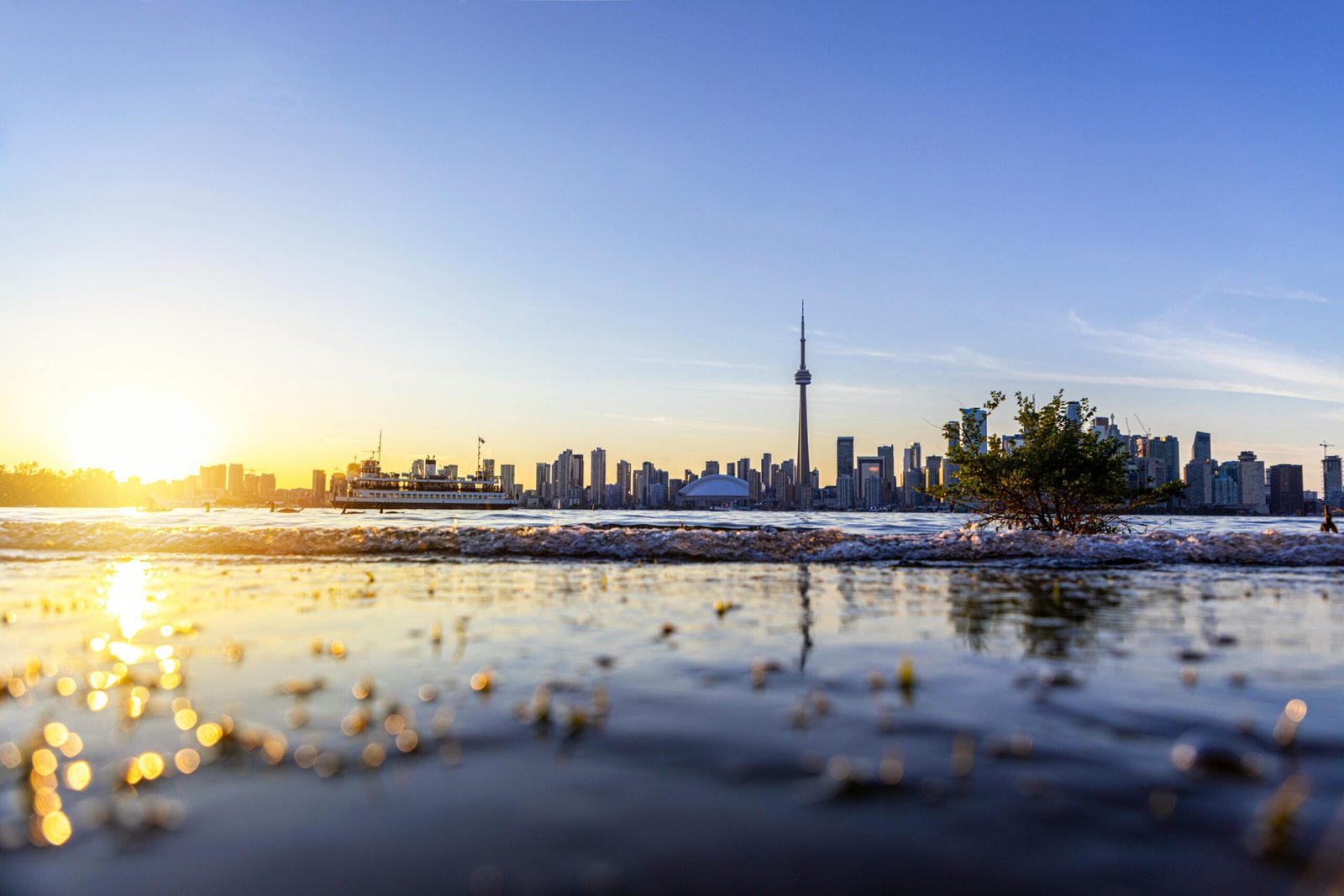
Downtown includes the Financial District, the Entertainment District, Harbourfront, and Yonge–Dundas Square. On weekdays, the Financial District is filled with office workers and underground pedestrian traffic through the PATH system. The Entertainment District becomes livelier in the evenings, with theatres, sports venues, and nightlife drawing crowds. Along the lake, Harbourfront offers open space and waterfront walks that contrast with the dense streets just a few blocks away.
Who Downtown Is Best For
For first-time visitors, short-stay travelers, and those seeking quick access to attractions, restaurants, and transit, Downtown Toronto is ideal. It allows you to experience many of the city’s attractions with minimal travel time.
Old Toronto and Historic Neighbourhoods
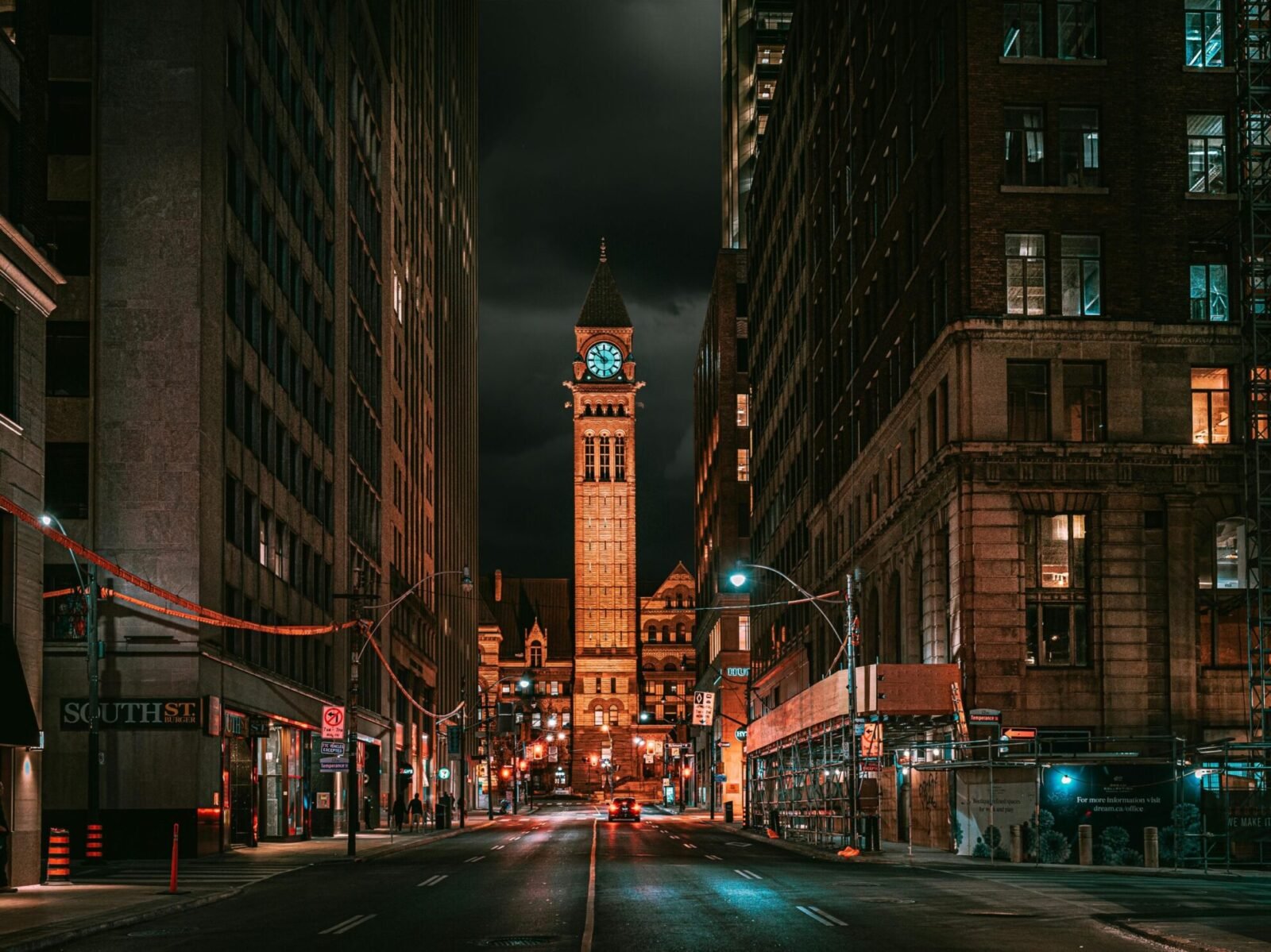
A Slower, Historic Core
Old Toronto refers to the neighbourhoods that make up the city’s historic core. These areas, while older, are calmer and more residential than downtown and feature preserved historic architecture. The streets are designed for walking, not driving, and are a bit quieter. The buildings are also shorter.
What You Experience Here
The Distillery District, St. Lawrence Market, and Cabbagetown are all examples of Toronto’s history, but each is unique. The Distillery District features many restored 19th-century industrial buildings and is a popular area for casual strolling and photography. The area around St. Lawrence Market has older streets and historic civic buildings that are a bit more representative of the city’s early years as a developing city. Cabbagetown has many Victorian-style houses and is known for its historic residential character and abundant trees.
Who Old Toronto Is Best For
These neighbourhoods attract history enthusiasts, architecture aficionados, and those who enjoy strollable streets. They are perfect for those who want a central location and easy access, but without the high energy of the downtown core.
West End Neighbourhoods
Creative and Lived-In Streets
The west end of Toronto has distinct neighbourhoods that are filled with creativity. Streets are full of expressive, informal murals and may also include independent stores and restaurants. The atmosphere is lively and relaxed, leading to a lot of exploration without a strict plan.
What You Experience Here
When visiting Toronto’s west end, neighbourhoods like Queen West, Kensington Market, Roncesvalles, and Parkdale are best experienced on foot. Queen West is great for street art and galleries. Kensington Market has a denser, more intimate feel. Roncesvalles and Parkdale are more village-like with a blend of creative spaces and local cafés. Parkdale also incorporates a mix of historic architecture.
Who the West End Is Best For
Visitors looking for neighbourhood culture and food, rather than iconic attractions, love the west end of Toronto. It’s especially popular with travelers who appreciate getting lost, watching the people, and making their own discoveries.
East End Neighbourhoods
Calm, Green, and Residential
Toronto’s east end is home to a unique, residential ambiance. The neighborhoods feel quieter, and the streets are more relaxed with more greenery. The east end is directly connected to the city’s parks and waterfront, with year-round easy access.
What You Experience Here
The Beaches’ sandy shores, long lake views, and boardwalks provide a resort-like atmosphere. Lesliville is characterized by its local atmosphere, walkable streets, and a combination of cafes and boutiques. Riverdale’s parks and lookouts offer one of the best free views of the city’s skyline.
Who the East End Is Best For
For families, the east end is slower-paced than the downtown core and ideal for those who appreciate nature and water access.
Choosing the Right Neighbourhood for Your Visit
Each neighbourhood in Toronto caters to diverse travelling requirements. For first-time visitors, the best place to start is Downtown Toronto, as it is the most convenient for shorter trips. For nightlife, the Entertainment District and Queen West are the best options. For food and local culture, St. Lawrence Market and Kensington Market are both great. For families and easy-going exploration, Riverdale, The Beaches, and Leslieville are top picks.
Instead of trying to pack every section of the city into your schedule, focusing on one main area and one or two adjacent neighbourhoods will improve your experience.
How to Use This Neighbourhood Guide
The most rewarding way to experience Toronto’s neighborhoods is at your own pace. Taking the time to get to know walkable neighborhoods, visit their parks and public spaces, and leave time for unexpected discoveries will make your visit more enjoyable than simply rushing to the “must-see” attractions. This guide can help you identify neighborhoods that match your interests and help you build itineraries that include options for spontaneous exploration.
Frequently Asked Questions About Toronto Neighbourhoods
Which is the best area to stay in Toronto for first-time visitors?
For first-time visitors, downtown is a top spot to stay, as it offers an incredibly high concentration of major sites, restaurants, nightlife, and transit links in a compact area.
What are the best Toronto neighbourhoods for families?
Riverdale, Leslieville, and The Beaches are among the best Toronto neighbourhoods for families. These are quieter, greener areas with easy access to parks, schools, and the waterfront.
Is Downtown Toronto too crowded for tourists?
Yes, downtown Toronto is busy both during the day and in the evening, but for most visitors, that’s part of its appeal: You can walk to many attractions, it’s convenient, and it’s a pretty good destination.
Which Toronto neighborhoods are best for food and culture?
Two of the most popular neighbourhoods in Toronto for food and local culture are Kensington Market and the St. Lawrence Market area, where you’re spoiled for choice with independent vendors, multiple world cuisines, and some traditional culinary spots.
Is it possible to get around Toronto’s neighbourhoods as a visitor without renting a car?
Yes. Toronto’s neighbourhoods are well served by public transit, and some of the more popular parts of town are navigable on foot, allowing visitors to get around without renting a car.
How many neighbourhoods should visitors explore during a short trip to Toronto?
For a brief visit, it’s best to have one central neighbourhood and perhaps one or two adjacent areas that are close enough to walk to without spending much time on transportation.