Where to Stay in Ottawa: Best Areas, Hotels & Neighbourhoods (2026 Guide)
Ottawa is often framed as Canada’s political capital. Still, for visitors, it reveals itself as something more nuanced: a city of walkable neighbourhoods, riverside paths, cosy neighbourhood cafes, and national institutions folded meticulously into everyday life. Where you stay in Ottawa shapes how you experience the city, whether it reads as ceremonial and grand, relaxed and residential, or quietly local.
Unlike many other major cities, Ottawa doesn’t require long commutes or complicated logistics. Most neighbourhoods are reachable, and placement is still more important than proximity in the city. The right spot can mean mornings strolling along the canal, evenings in buzzy food districts, or days sneaking away around parks and neighbourhood streets.
This guide explains where to stay in Ottawa, from neighbourhood to neighbourhood, with context, trade-offs, and a travel perspective, so you can pick a place that accommodates not just your itinerary but your pace.
Best Areas to Stay in Ottawa at a Glance
| Neighbourhood | Best For | Atmosphere | Walkability |
|---|---|---|---|
| Downtown | First-time visitors | Institutional & central | Excellent |
| ByWard Market | Food & nightlife | Lively & social | Excellent |
| Centretown | Balanced stays | Local & practical | Very good |
| The Glebe | Families & summer | Residential & green | Good |
| Westboro | Longer stays | Modern & relaxed | Moderate |
Understanding Ottawa’s Layout Before You Book
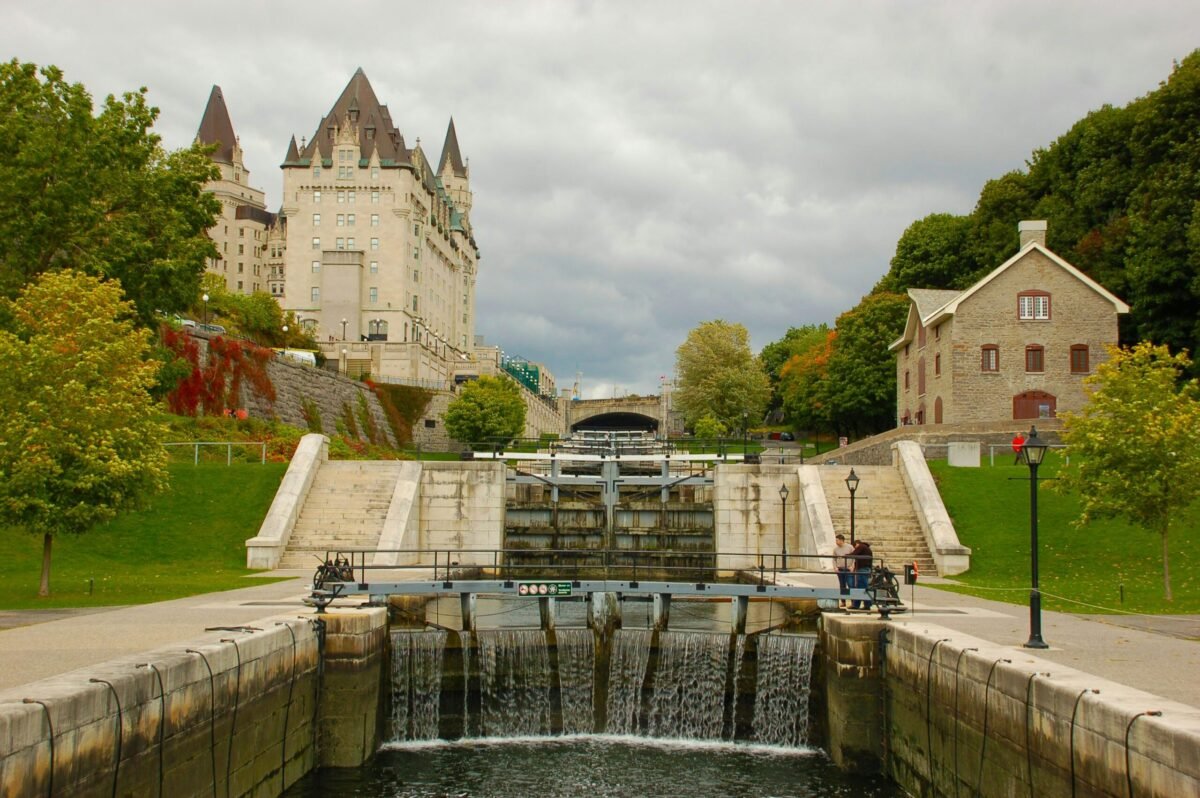
Ottawa is built around a dense centre near the water. It is a series of neighbourhoods outside the downtown core, flanked by the Ottawa River to its west and north, and the Rideau Canal to its east. Its light rail and bus system serves most areas effectively, but walking is also the best way to experience central Ottawa.
Staying near the hub also reduces travel time and provides greater flexibility, especially on short trips. Being outside the centre means quieter streets, a more local feel, and usually better value. Ottawa accommodates both approaches comfortably.
Downtown Ottawa
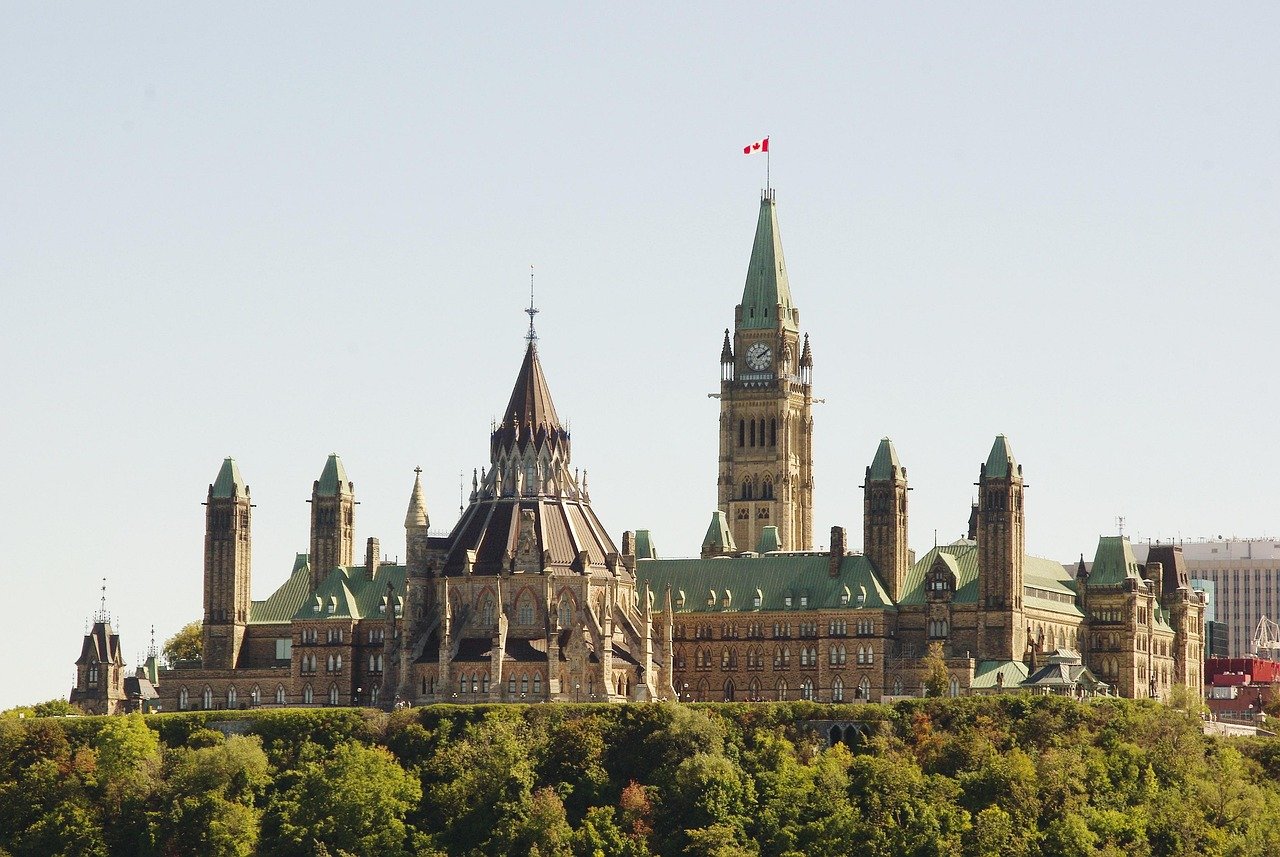
Downtown Ottawa is the most efficient and convenient option for visitors who want to be within arm’s reach of city highlights. The area’s focal point, visually and geographically, is Parliament Hill, around which are located museums, galleries, and public spaces, many of which are highlighted in our Things to Do in Ottawa guide.
The National Gallery of Canada, the Canadian Museum of History (across the river), Sparks Street, and vast portions of the Rideau Canal can be reached on foot from downtown. In winter, staying downtown sounds particularly attractive, as many attractions remain accessible without relying on transit.
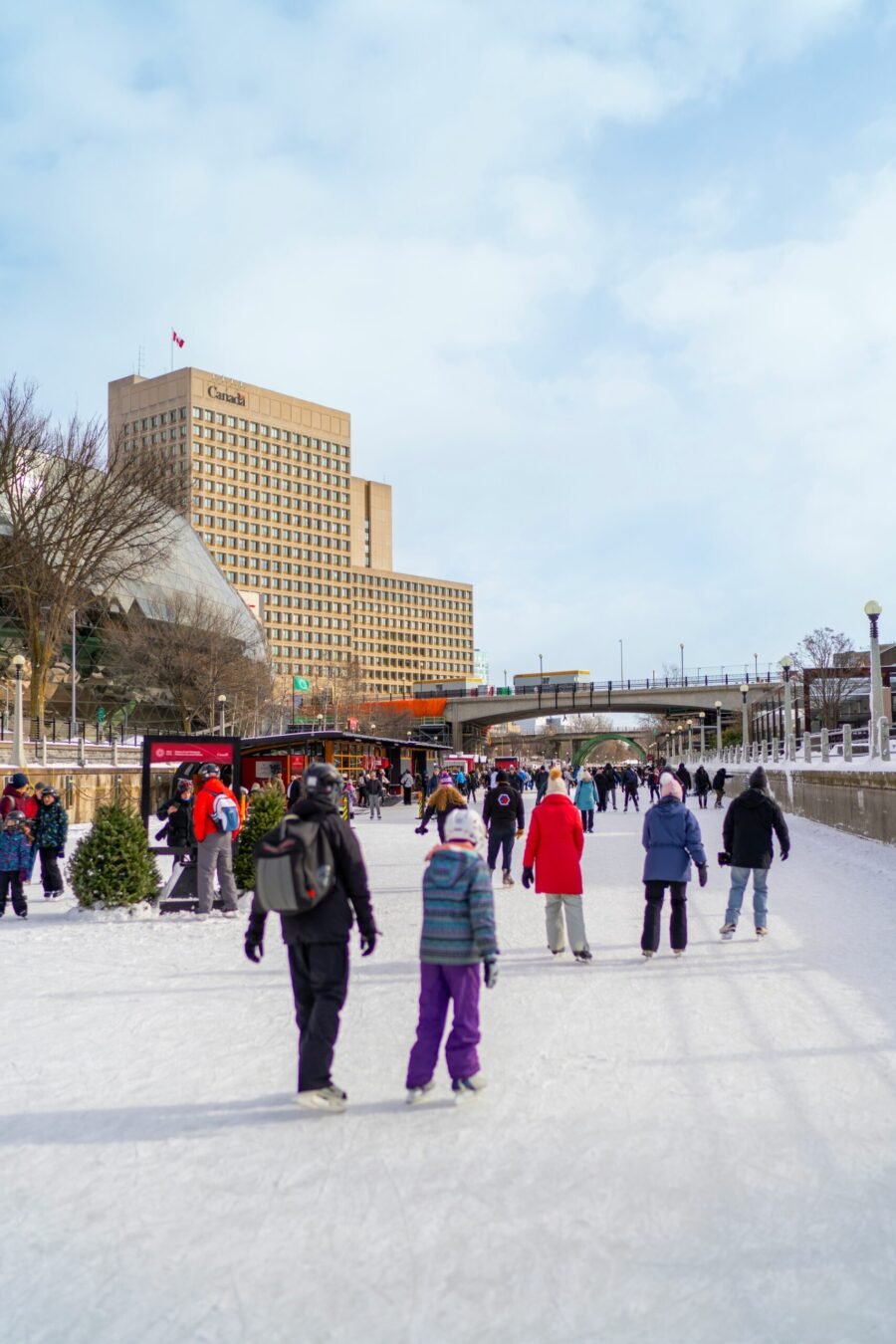
Here, accommodation ranges from full-service hotels that primarily serve government and business visitors to much smaller boutique properties. During the week, it has a businesslike air and is distinctly quiet after dark, certainly out of high season.
Consider staying downtown if: You are visiting Ottawa for the first time, staying only a few days, or prioritising sightseeing over neighbourhood exploration.
Things to be aware of: Hotels in downtown Ottawa are typically more expensive, and the downtown area is quieter after dark than other parts of the city.
ByWard Market
Just east of downtown is ByWard Market, a dramatic example. If downtown is orderly and institutional, the market is vivacious and social. Restaurants, bars, and speciality food shops are housed in historic buildings, while sidewalks bustle with life long after the sun goes down.
ByWard Market lures visitors who want Ottawa to stay up past its bedtime. There are plenty of places to eat, and all the best patios in the city are close by, as are many late-night spots. The Brazilian neighbourhood is relatively close to key sites and yet quite different in character.
The market’s accommodations tend to be standard mid-range hotels and short-stay buildings, many situated right on or steps from ultra-congested streets.
Stay in ByWard Market if: Food, nightlife, and social energy are priorities for your trip, or you prefer to stay in the heart of the action.
Things to be aware of: Noise levels may be high, especially on weekends, and the vibe might feel less mellow to guests looking for a quiet night.
Centretown
Centretown occupies the space between downtown and Ottawa’s southern residential districts. It offers one of the city’s most balanced experiences, close enough to walk to major sights, yet distinctly local in character.
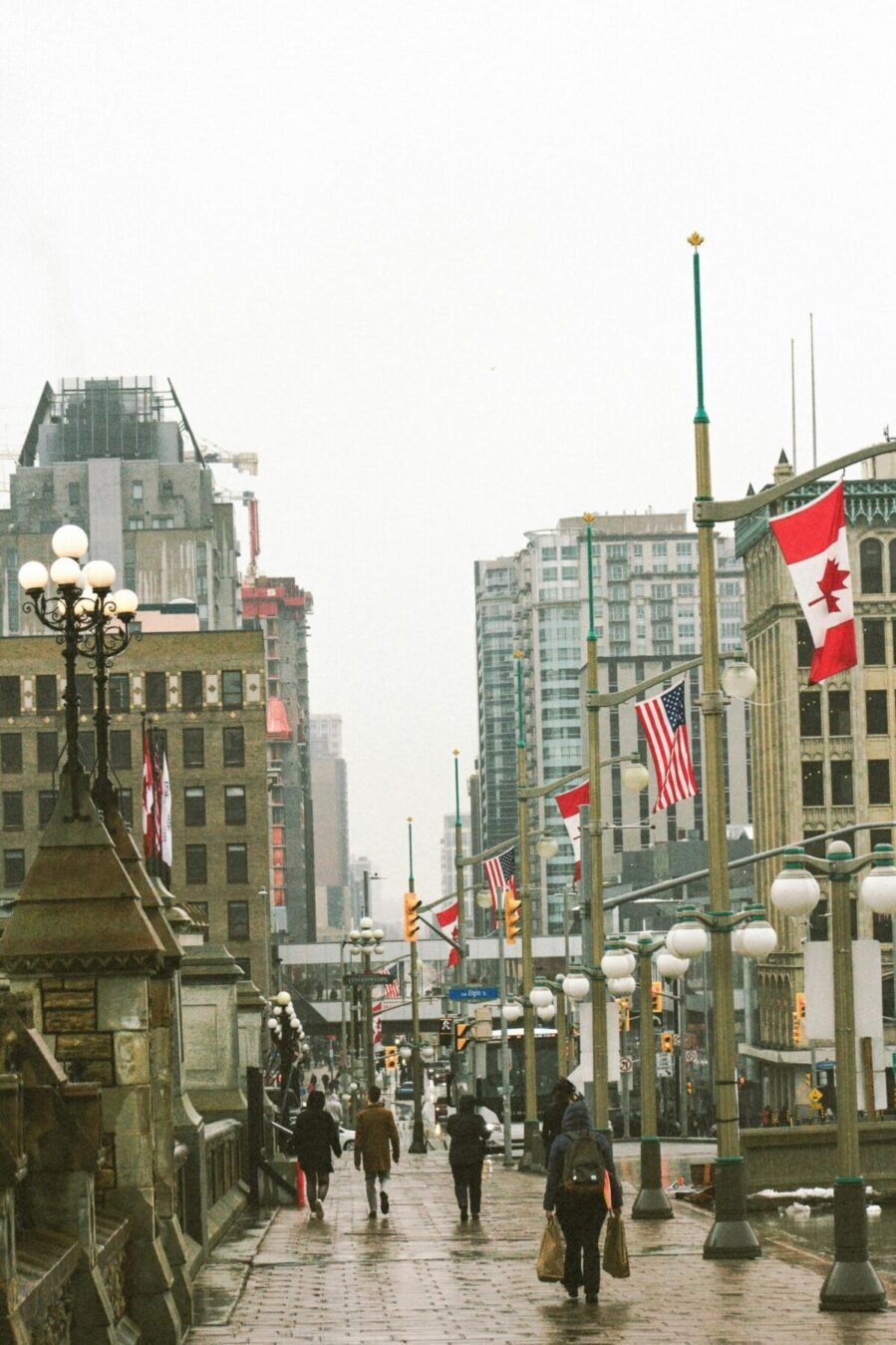
Elgin Street serves as the neighbourhood’s spine, lined with restaurants, cafés, pubs, and small venues. Unlike ByWard Market, Centretown feels lived-in rather than tourist-oriented, with a steady, everyday rhythm.
Accommodations here include mid-range hotels, serviced apartments, and extended-stay options, making it suitable for longer visits or travellers who prefer a quieter base.
Consider staying in Centretown if: You want central access without the intensity of downtown or the market’s nightlife focus.
Things to be aware of: Most major attractions are a short walk or a transit ride away, rather than being immediately outside your door.
The Glebe
The Glebe is one of Ottawa’s loveliest neighbourhoods. Tree-lined streets, independent shops, and access to green spaces characterise the area. Bank Street is the commercial centre, and Lansdowne Park offers seasonal events, dining, and open space for the neighbourhood.
It has a residential, relaxed feel to staying in the Glebe, especially welcome in warmer months when walking and cycling are daily activities. It’s for visitors who like to explore neighbourhoods as much as they like touring in an official capacity.
Accommodations, too, are on the small side: boutique hotels, guesthouses, and short-term rentals are the mainstay here.
Stay in the Glebe if: You’re coming in spring or summer, you’re part of a family, or you want to live like a local in an actual neighbourhood rather than central touristland.
Things to be aware of: You will be relying more on transit or long walks to experience Ottawa’s key attractions.
Westboro
Westboro is located west of the city centre and has become one of Ottawa’s hottest neighbourhoods. A hotspot for cafés, independent shops, and proximity to Ottawa River pathways that appeal to travellers who prioritise outdoor space and local culture.
The area has a modern, low-key vibe. The river and cafés in the morning; shopping by day, with evenings at casual, simple-tabled places for dinner. It’s a bit out of the city centre, but not cut off.
There are many lodging options here, but it’s good for extended stays, with serviced apartments and boutique hotels.
Consider staying in Westboro if: you are here for a few days, you like walking or cycling, and you crave a very local experience.
Things to be aware of: The downtown core is best reached by transit, while sightseeing destinations are best reached by driving.
Where to Stay in Ottawa for First-Time Visitors?
For first-time visitors, it is usually best to stay downtown and near ByWard Market. These districts offer easy access, shorter travel times, and get you to Ottawa’s most well-known landmarks in no time.
Being central lets visitors soak up Ottawa’s ceremonial core while deciding which neighbourhoods they might explore on future visits.
Where Budget Travelers Should Stay
Centretown, the Glebe, or transit-served neighbourhoods on the edge of downtown are a better value for many budget-conscious travellers. These areas have more affordable housing but good access to the sights.
Selecting a place near light rail or frequent bus service is part of the cost/convenience trade-off.
Where Families Should Stay
In general, families like neighbourhoods with peaceful streets, parks, and things to do. The Glebe, Westboro, and parts of Centretown are popular destinations where you can still find space and a calmer pace.
Longer stays require lodging with kitchens and access to food stores and greenery.
Where Longer Stays Make the Most Sense
For visitors planning to spend a week or more in Ottawa, neighbourhoods farther from downtown are often more attractive. Centretown and Westboro offer a more sustainable day-to-day rhythm, local businesses, walking paths, and manageable access to life’s necessities.
These are the kinds of spaces that invite you to stay in a city rather than just passing through.
Staying in Ottawa Without a Car
Ottawa is good for getting around without a car, particularly if you stay downtown or near it. Downtown, ByWard Market, and Centretown allow guests to rely primarily on walking and public transit.
Others staying further out from the centre might appreciate having a car but not need one, depending on their schedule.
Using Ottawa as a Base for Regional Travel
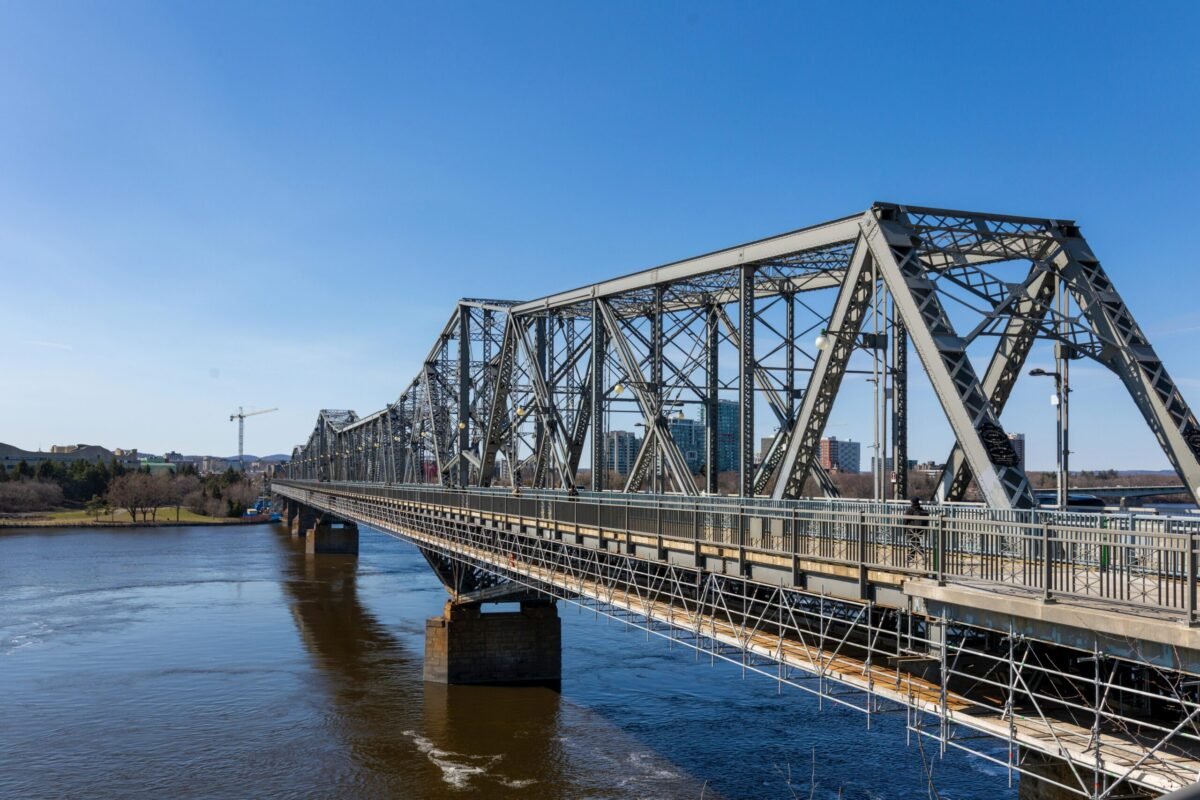
As explored in our complete Ottawa travel guide, the city also serves as a convenient base for visiting Eastern Ontario and Western Quebec. People making day trips might seek accommodations near transit hubs or along busy routes, especially if their plans include plenty of excursions.
The Final Decision: Where to Stay in Ottawa
There is no one “best” neighbourhood in Ottawa; it depends on what travel priorities matter most to you. Downtown has the most value in terms of speed and ease of access to everything. ByWard Market has the most nightlife and an active atmosphere. Centretown offers a good mix of everything and is a bit calmer. The Glebe and Westboro have a stronger neighbourhood local vibe and charm.
Choosing where to stay in Ottawa ultimately depends on one’s travel interests and itinerary. The city pays back when you time things right, and the accommodations suit your stride; Ottawa can be a capital that is approachable, human-scale, and quietly memorable.
FAQs on Where to Stay in Ottawa
Should You Stay Near the Rideau Canal?
Yes, particularly in the summer and winter. The canal offers instant access to walking trails and, in winter, ice skating. It’s calmer than the city centre, but it is farther away from the major sights.
Should you stay near Parliament Hill?
For sightseeing-focused days and short trips, yes. You’ll be within walking distance of most attractions. However, nights are more restful here than in the ByWard Market.
Which neighbourhood has the best food scene?
The ByWard Market is home to the highest concentration of restaurants and nightlife venues. Centretown (Elgin Street) has a more local feel, while Westboro is smaller, more modern, and laid-back.
Where should you stay during Canada Day or major festivals?
Downtown is the most practical. Staying in the centre reduces transit time to events, making it much easier to go back and forth from your hotel.
Are there quiet areas close to downtown?
Yes. Centretown and the Glebe offer quieter residential streets that remain easily accessible from the city core on foot or via a short transit ride.
Is it cheaper to stay outside downtown Ottawa?
Usually, but only slightly, especially in areas like Centretown or Westboro. For very short trips, the modest savings might not offset the cost and time of the extra commute.
Does Ottawa have a luxury district?
Rather than a dedicated upscale district, luxury hotels are primarily located throughout the downtown area. In Ottawa, high-end stays prioritise prime locations and scenic views over proximity to nightlife.
Where should you stay to explore both Ottawa and Gatineau?
Downtown Ottawa, near the bridges, offers the most flexibility. This location allows you to explore both cities easily without relying heavily on public transit.