Vancouver to Victoria Ferry: A Car-Free Guide
The Vancouver to Victoria ferry is easy to take without a car once you plan the connections on both sides. From downtown Vancouver, take the Canada Line to Bridgeport, then the 620 bus to Tsawwassen. Walk onto BC Ferries for Swartz Bay, then catch a Victoria-bound bus. The crossing takes about 95 minutes. For the whole downtown-to-downtown trip, set aside about four hours and allow longer if the transfers are spread out.
See the route · Check-in · Victoria bus · Costs · Plan the return

Vancouver to Victoria ferry route at a glance
Choose your Vancouver to Victoria ferry sailing first. Then work backwards to the bus from Bridgeport and forwards to the bus into Victoria. The terminals are outside both downtowns, and the bus and ferry schedules can change independently. If you’re spending time in the city before crossing, use our Vancouver travel guide to plan those days.
| Leg | Where to board or change |
|---|---|
| Canada Line | Downtown Vancouver to Bridgeport Station |
| TransLink bus 620 | Bridgeport Station to Tsawwassen Ferry Terminal |
| BC Ferries | Tsawwassen to Swartz Bay as a foot passenger |
| Victoria Regional Transit | Swartz Bay to downtown Victoria. Check the 70 or 72 for your trip. |

Getting to the Vancouver to Victoria ferry from downtown
Take the Canada Line south to Bridgeport. Both the YVR and Richmond branches pass through Bridgeport when travelling from downtown. At Bridgeport, find the 620 marked Tsawwassen Ferry and check the bay on the station signs or in the current trip planner.
Use the 620 schedule to choose a bus that gets you to the terminal well before the boarding cutoff. The terminal address is 1 Ferry Causeway, Delta. Enter the ferry terminal in the planner so the route takes you to the passenger building rather than to a stop in the town of Tsawwassen.
Have your fare method ready before boarding the train and keep it available for the bus transfer. If you start at YVR instead of downtown, take the Canada Line toward Waterfront and get off at Bridgeport. Review the airport surcharge for that trip. Avoid choosing a bus that arrives at the check-in deadline even if the planner shows the connection as possible. See the Vancouver airport transfer guide if your trip starts at YVR.
Start from the station closest to your accommodation. Waterfront is convenient near Canada Place and the cruise terminal. Vancouver City Centre works well near Granville and Georgia, and Yaletown–Roundhouse is useful around False Creek. These stations are on the same line, so there is little reason to backtrack to Waterfront if you are already farther south.
When choosing your first train, add the hotel walk and the wait at Bridgeport. A route planner may show a connection with only a few minutes between platforms and the bus bay. If you have a suitcase, a stroller or a group that needs to stay together, use an earlier train so you can find the bay and board without rushing.
Look at the next 620 as well as the one you intend to take. If the later bus would still get you to the ferry with room to spare, your plan has a useful fallback. If it would arrive after check-in closes, consider taking the previous bus. This matters most on a weekend or when you have already paid for a sailing.
Vancouver to Victoria ferry reservations and check-in
For the Vancouver to Victoria ferry, check in between 60 and 30 minutes before the sailing if you have an advance foot-passenger booking. BC Ferries lists a different cutoff for passengers buying a ticket at the terminal. Walk-up sales close 10 minutes before departure, and space is first come, first served.
The booked check-in window for the Vancouver to Victoria ferry applies at the foot-passenger building. Getting off the bus on the causeway is only the first step. Give yourself time to walk to the building, find the ticket desk or kiosk, and deal with a line. If a missed boat would cost you a hotel check-in or a timed admission, take an earlier bus.
BC Ferries says there is no added cost to reserve a foot-passenger fare in advance. Saver fares can be available on selected sailings. Before paying, read the change and refund conditions for your fare and check the official foot-passenger instructions.
For a noon Vancouver to Victoria ferry departure, the published booked-passenger window runs from 11 a.m. to 11:30 a.m. Aim to reach the passenger building around 11:10 a.m. in this example. Choose the train and bus from your actual departure address. If you reach Tsawwassen before the window opens, use the extra time to find the entrance and wait for check-in.
Take a screenshot of the booking reference in case you have trouble getting online. Follow the instructions on your confirmation for any concession fare that requires proof of eligibility. If the kiosk cannot process your booking, give yourself enough time to see an agent before check-in closes.
Decide how much luggage you want to manage across four legs. A single wheeled case and a small day bag are easier to carry up to the terminal and onto local buses than several loose bags. Check the ferry operator’s baggage terms and accessibility information for your sailing if you need assistance or are bringing an unusually large item.
What to expect aboard the Vancouver to Victoria ferry
The Vancouver to Victoria ferry takes about 1 hour 35 minutes on the published timetable. Look for Victoria (Swartz Bay) on the board at Tsawwassen, because the same terminal also serves other destinations. Check BC Ferries’ route conditions for delays and cancellations before leaving Vancouver.
Keep the items you need for the next leg within reach. When you land you may have time for a washroom stop, or you may want to head straight to the bus. Have your Victoria bus fare ready and save the return schedule before boarding if you are trying to fit everything into one day.
If the weather is good, take a short look outside after finding a place for your group to sit. Keep a warm layer within reach even on a day that feels mild in Vancouver. The deck can be windy and you may prefer to spend most of the sailing inside. Check the vessel details if you are relying on a particular onboard service.
Once aboard the Vancouver to Victoria ferry, confirm your bus into town. A departure that looks close to the ferry’s advertised arrival may be harder to catch once you account for leaving the vessel and finding the bay. Save the later bus option so you know what to do if there is a delay.
How to get from Swartz Bay to downtown Victoria
From the foot-passenger exit at Swartz Bay, follow the signs to the bus bays and look for a Victoria-bound trip. Route 70 is the express option when it fits. Route 72 is another way downtown. Choose the actual trip in the planner because not every departure pattern is the same.
After the Vancouver to Victoria ferry docks, budget about an hour for the onward leg, with extra time if you are waiting for a bus or walking farther to your hotel. If you have a downtown address, add it to the planner rather than getting off wherever the bus first reaches the city. If your room is near the Inner Harbour, check the final walk and whether luggage storage is available before check-in.
Victoria uses BC Transit’s fare system. Carry a suitable payment method for this leg, such as exact cash or Umo, and check the current rules. A Compass fare from Vancouver does not cover the Victoria bus. See Victoria Regional Transit fares.
Downtown Victoria is easier to tackle once your bags are out of the way. Choose a route to your accommodation rather than assuming you should walk from the first downtown stop. If you arrive before hotel check-in, ask about luggage storage ahead of time and make the Inner Harbour your first walk only after you know where the bags will go.
If your arrival is late, check what is running from Swartz Bay before leaving the mainland. Allow time to disembark and find the bus. A slower route may be preferable if it leaves earlier and still takes you close to your destination. If no bus fits, check ground transport from the terminal before committing to the sailing.

Vancouver to Victoria ferry costs without a car
For the Vancouver to Victoria ferry, budget separately for mainland transit, the crossing and the Victoria bus. BC Ferries’ June 2026 fare index listed CAD $21 for a standard foot passenger aged 12 or older and CAD $15 on eligible Saver sailings. Check the amount shown for your date and departure, since the fare figures can change.
Using the published figures, one adult taking the Vancouver to Victoria ferry and paying a CAD $5.10 two-zone mainland fare, CAD $21 standard ferry fare and CAD $3 Victoria single-ride fare would budget CAD $29.10 one way. At a CAD $3.50 one-zone mainland fare and with that same ferry and Victoria fare, the example falls to CAD $27.50. This assumes the mainland bus and train are covered within one valid transfer and excludes airport surcharges, food and any additional rides.
If you plan to take several Victoria buses that day, compare the CAD $6 DayPASS with separate CAD $3 single rides. Victoria’s single-ride fare covers one bus ride. If you need a second bus after reaching downtown, include it in the budget or check how the DayPASS applies to your chosen payment method.
For a round trip on the Vancouver to Victoria ferry with the same fares each way, two standard $29.10 one-way journeys would total CAD $58.20. Use that only as an example. Weekend fare rules, a Saver ferry booking, a late transfer or an additional bus in Victoria can change the total. Price each direction separately if your outbound and return sailing times are different.
For two adults paying the same fares, the one-way example is CAD $58.20 for the pair. A through coach may cost more but can be useful if you want fewer separate connections. Compare its total price, where it picks you up and what the ticket includes. Check your date before assuming a coach runs for the sailing you want.

Vancouver to Victoria ferry day trip or overnight
Stay overnight if you want time to explore after taking the Vancouver to Victoria ferry. You can make a day trip work by leaving early and choosing one downtown area, but a late outbound trip leaves a short sightseeing window. Begin with the Inner Harbour and one nearby stop so you can change plans without another transfer.
Plan the return when you book the Vancouver to Victoria ferry. Start with a Victoria-to-Swartz Bay bus that gets you to the terminal during the booked sailing’s check-in window, then look up the 620 and the last Canada Line options after landing at Tsawwassen. The last ferry can be a poor choice if you cannot complete the rest of the journey.
If the Vancouver to Victoria ferry is running late, use the operator’s live notices and check whether the buses you need still run after the revised arrival. For a trip paired with a flight, leave a larger buffer or travel to the mainland the previous day. If you prefer fewer transfers, compare a through coach between the cities and check what its ticket includes before booking the ferry separately.
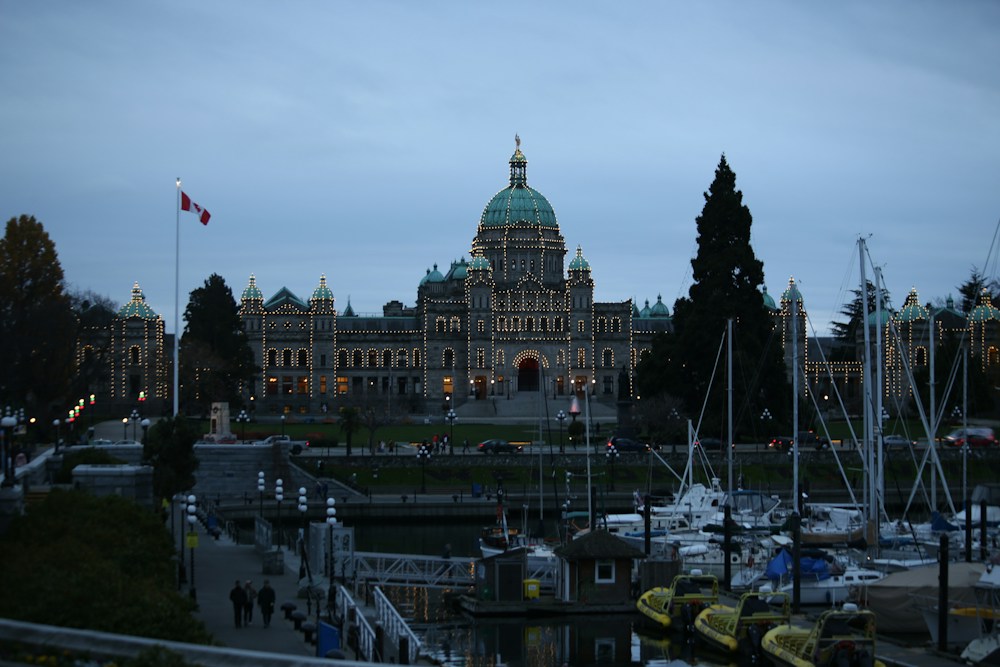
For a short day trip, have one main stop and one optional stop. From the harbour, see the Parliament Buildings from outside and take a short walk before lunch. Add something more only when the clock and weather allow. Avoid booking a late afternoon activity that leaves you racing back to pick up bags or catch the bus.
If you return on the Vancouver to Victoria ferry the following day, use the morning for the part of the city you most want to see. Leave the rest of the day flexible until you have checked the return bus and ferry. A daytime return usually gives you more choices if a connection changes. Keep your mainland hotel or flight plans in mind when you pick the final sailing.
Before paying for the Vancouver to Victoria ferry: check all four legs on the same date. Open the 620 schedule and the onward BC Transit timetable at the same time, then choose the sailing between them. This is especially helpful on a holiday.
If a replacement sailing would put you in Victoria close to the time you need to start back, switch to an overnight or choose a different day. The Vancouver to Victoria ferry is easier to enjoy when you have room for a delayed connection.
Save a trip note: write down your downtown station, Bridgeport bus bay, booking reference, Victoria bus and return departure. If you’re meeting someone, share the planned arrival in downtown Victoria rather than when the Vancouver to Victoria ferry reaches Swartz Bay.
For a short sightseeing window, start at the Inner Harbour, then walk north toward Bastion Square for lunch if time permits. On a rainy day, choose a nearby indoor stop and confirm its hours before leaving the terminal.
Vancouver to Victoria ferry FAQs
Where does the Vancouver to Victoria ferry leave from?
Take the sailing from Tsawwassen Ferry Terminal in Delta to Swartz Bay on Vancouver Island. From downtown Vancouver, ride the Canada Line to Bridgeport and transfer to bus 620. On the island, use a Victoria-bound bus to finish the trip to your hotel or the Inner Harbour.
Can you walk onto the Vancouver to Victoria ferry without a reservation?
Yes, when space is available. Walk-up boarding is first come, first served and the terminal’s foot-passenger cutoff is separate from the reservation window. If you have booked, aim to check in between 60 and 30 minutes before departure. Choose a mainland bus that gives you time to reach the ticket building.
How long does the Vancouver to Victoria ferry trip take without a car?
Allow about four hours as a starting point for downtown to downtown. The ferry accounts for about 95 minutes. The rest depends on the Canada Line, bus 620, ferry check-in, the Victoria-bound bus and the walk to your accommodation. Wider gaps between connections can make the trip longer.
What bus goes from Swartz Bay to Victoria?
Look for a BC Transit trip toward downtown Victoria. Route 70 is the express option when it fits your arrival, and route 72 offers another connection. Check the schedule for the date and direction you need. Have exact cash or an eligible Umo fare ready for this separate transit system.
Can you visit Victoria as a day trip from Vancouver?
Yes, if you leave early and keep sightseeing close to downtown Victoria. Choose the return sailing and the buses on both sides before you leave Vancouver. If you want to visit several attractions or spend a relaxed evening by the Inner Harbour, an overnight trip gives you more time.
For more trip ideas, browse Canada destinations and car-free itinerary ideas.
Photo credits: Vlad Vasnetsov · Jack Borno · Apolonio Rellon · Lenka XIA · Vlad Vasnetsov, Victoria harbour ferry photo · Veronica Dudarev, Unsplash. Pexels License. Instagram post by Destination Greater Victoria. Ferry video by Welwyn22.