
Things to Do in Vancouver: First-Visit Picks
The best things to do in Vancouver fit into three areas: Stanley Park and the downtown waterfront, Granville Island and False Creek, and a museum or neighbourhood you want to spend time in. Pick one area each half-day. The city looks compact on a map, but doubling back across False Creek or out to UBC can cut a short visit in half. For airport and neighbourhood decisions, start with our Vancouver travel guide.

Start with Stanley Park and English Bay
Walk the Coal Harbour waterfront toward Stanley Park for harbour views, or start at English Bay for beaches and a shorter park outing. Choose one starting point near your accommodation and decide whether you want a full loop or an out-and-back walk. If you still need a room, compare waterfront bases in our guide on where to stay in Vancouver.

The park circuit is about 9 km. Allow two to three hours to walk it or roughly an hour to cycle before stops. If you only have an hour on foot, start at English Bay and turn back at Second Beach, or head into the park from Coal Harbour and turn around when you’ve had enough harbour views. The City’s seawall map and advisories are the place to check closures and detours.
If you’re travelling with someone who likes to stop for photos and someone who wants exercise, agree on a named meeting place and a time. Two people can cover very different distances along the same shore in an hour. Pick the beach if you want somewhere to sit between walks, and keep the exposed part of the path optional when the forecast is wet or windy.
If you rent a bicycle, check the time you need to return it before you set off. Give yourself extra time for photo stops at Brockton Point and for busy sections where you may need to dismount.
See the Park Board’s two-minute Stanley Park cycling route
The video shows the shape of the park circuit. Use the City’s current advisory for path conditions.
Eat lunch on Granville Island
The Public Market at 1669 Johnston Street makes an easy lunch stop when people in your group want different things. Look around first, then buy what travels well to an outside seat if the weather cooperates.

The Public Market normally opens at 9 a.m. and closes at 6 p.m. Check the official market hours for holidays and maintenance closures. If all you want is a quick look, come before lunch. If lunch is the point of the trip, take one lap to see what’s available and arrange a place to meet before everyone joins a different queue.
With a second hour, save time for the Net Loft and the working streets beyond the market. If you came by water taxi and intend to walk farther along False Creek, check the one-way fare before you board. Start out with a small bag if you plan to buy something for later and keep refrigerated purchases for the end of your visit.
From downtown, a False Creek passenger ferry can be part of the outing. The bus is a practical alternative when the dock ramp is steep or wind makes a short boat ride less appealing.
Choose one rainy-day attraction
Science World works well for families who want hands-on exhibits near False Creek. Make the Museum of Anthropology at UBC its own outing if you want time in the Great Hall and galleries.

Science World is at 1455 Quebec Street near the east end of False Creek. Its visitor page recommends allowing about two hours and lists regular adult admission at CAD $37.50. Check current Science World admission and hours before buying. For a family, work out the group total and put lunch or an outdoor break on either side of the visit.
The Museum of Anthropology makes more sense if you want galleries and time to read than if you need a quick stop between two downtown bookings. Give the trip to UBC its own space in the day. Start with the galleries you came to see, and leave the last part of the visit open to follow an exhibit that interests you.
Check opening days and the final admission time before travelling. A long afternoon at the museum is easier to enjoy when you have left enough time for the trip back downtown.
Find something free near your hotel
Canada Place, Coal Harbour, English Bay and much of the False Creek waterfront are free to explore. Use them to fill the space around one booked attraction instead of committing the whole day to reservations.

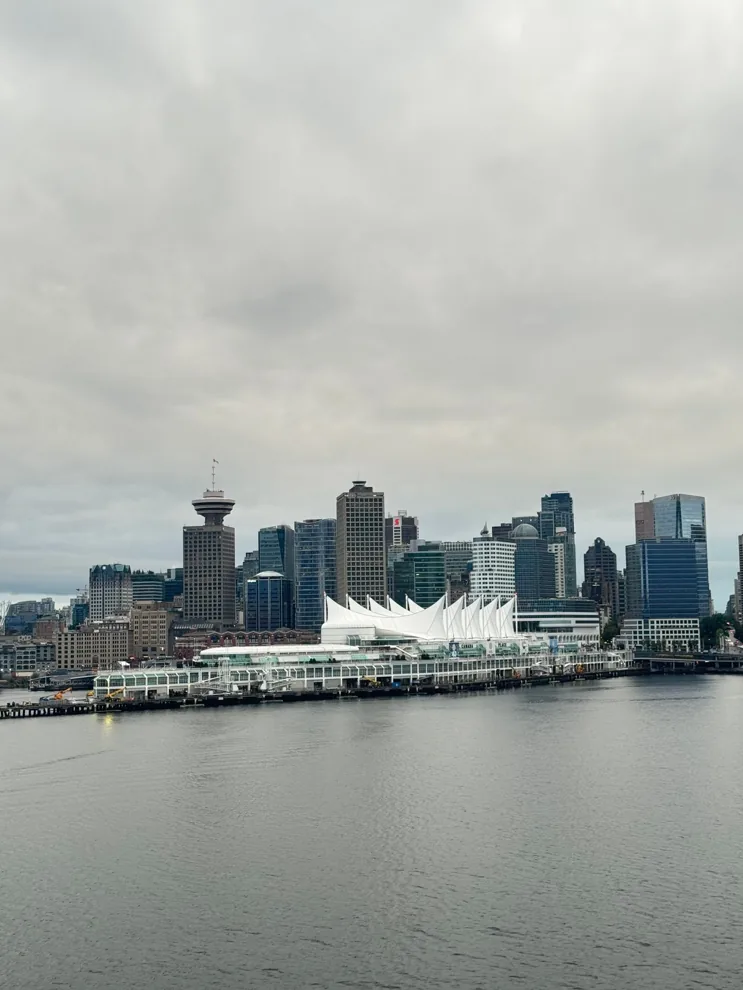
For the shortest outing, head to Canada Place and follow the waterfront west toward Coal Harbour. You can turn around once you’ve seen the harbour or continue toward the entrance to Stanley Park. In a trip with several long days, this is a useful arrival-day walk because it doesn’t depend on an admission time.
If you’re staying near the south side of downtown, start on the False Creek seawall instead. A shorter evening walk is often enough after a paid attraction. Look up where you’ll rejoin transit before going too far, especially if you’re walking with children or heading back after sunset.
Allow for darkness on winter afternoons. When everyone is running low on energy, a short walk and dinner in the same area can work better than one last round trip on transit.
See Vancouver’s official visitor guide
Things to do in Vancouver with one day
Use Stanley Park or the downtown waterfront as your morning anchor and Granville Island as your afternoon anchor. That gives you a shoreline walk and a food stop with room to swap their order. If two long walks would be too much, choose a short park section and keep the market visit focused on lunch.

Start at Canada Place if you’re already near Waterfront Station. The harbour path takes you west toward Coal Harbour and the park entrance. At the park, decide whether you want a second hour outside or would rather save your walking for the afternoon. If you’ve already done a longer park loop, build in a sit-down lunch before adding a market lap.
When the weather changes, keep the outdoor part close to transit and move lunch earlier. You can spend more time indoors at the market, or switch to Science World if your group wants a full afternoon activity. Set one meeting time at the end of the day so the people who want to walk farther can do so without holding up everyone else.
Cross the harbour to Lower Lonsdale
Take SeaBus from Waterfront Station if you want a harbour crossing that ends in a walkable area. Get off at Lonsdale Quay and spend time around the waterfront or the Shipyards before deciding if you want a longer North Shore outing. The crossing itself gives you a view back toward downtown.
Give the North Shore its own half-day if you’re doing more than a short look around the quay. A second attraction may involve a bus connection in each direction. If you have reservations downtown later, check the return sailing and work backward from that time rather than planning on the fastest possible trip.
For a dining stop, choose your return time before sitting down. Treat the last useful connection as a separate check when you’re out in the evening, especially if you’ll need another train or bus after the crossing. For a wider trip, browse our British Columbia guides and Canada itineraries.
Choose things to do in Vancouver with children
Build the day around one attraction and one short outing. Science World and a False Creek walk make an easy pair because you can adjust the outdoor distance after you’ve seen how much energy everyone has left. English Bay and the walk to Second Beach give you a lower-cost option for a clear day.

If you’re doing the market and a boat ride, leave time to board and give children a simple meeting point at the market. Plan the part of the outing that matters most before the busiest stretch of the afternoon. A food stop near the attraction gives the group time to decide whether to walk farther or head back.
With a stroller, check the full path from the nearest station or bus stop to the door. For ferry trips, ask about the ramp at each dock and whether the boat can accommodate your stroller or mobility aid. The bus can be a simpler choice when everyone is already carrying bags or the ramp is steep.
What to book before a Vancouver visit
Book the timed attraction or evening performance first. Leave park walks, the market and the harbour flexible so you can do them when the forecast and your energy line up. If you want to rent bikes in summer, ask the shop about your equipment needs before the day, especially for a trailer or children’s bikes.
Budget by the activity you expect to pay for. A waterfront walk and a market snack can fill a morning on a small budget. A family attraction, several ferry trips and a sit-down dinner will land differently even if each item seems manageable. Check the total in Canadian dollars for your whole group before you choose the day’s paid stop.
On a day when you have an early flight, train or evening reservation, keep the last stop near your hotel or the transport you need. Avoid pairing a trip to the edge of town with a tight deadline downtown. The extra time is more useful as a break or an unhurried meal than as another transfer.
Free and paid things to do in Vancouver by season
Prioritise the waterfront on the clearest part of your trip and pick one place indoors that you’d be happy visiting even if the forecast changes. In summer, put the park or a long walk early. In fall and winter, plan around the middle of the day if you want daylight on the shore.

On a summer weekend, choose your rental, museum or lunch plan before reaching the busiest area. If you’re travelling with several people, ask how much of the day they want to spend outside before you book. A single long ride can be more satisfying than hurrying through three disconnected sights.
In spring, use breaks in the weather for the harbour, then continue to lunch or a museum. Check which attractions have changed hours since winter. When the coast is clear and the paths are comfortable, save the long park circuit for that window. Take the shorter beach or harbour walk if you need to be back in time for a ticket.
In winter, pick one museum, the market or another indoor stop with hours you can confirm. Put a short walk close to the entrance so it’s easy to cut back indoors. If your day begins with a cross-city trip, look up the return route before leaving and keep time for a meal or rest after the attraction.
If your plans depend on a view, choose the day rather than the hour first. Cloud and rain can make a mountain excursion a poor fit when you mainly want the panorama. A city waterfront walk can still work on a grey day if you choose a short route near a sheltered stop.
If you are visiting over a holiday, verify the public hours and the hours of the specific business or attraction you want. The market building and its stalls can keep different hours. For a museum, check the final admission time as well as the posted closing time. If your group is arriving late in the afternoon, keep one nearby walk in reserve.
| What you want | Start here | Keep in reserve |
|---|---|---|
| A free morning outside | Coal Harbour or English Bay | A market lunch if the rain starts |
| An indoor afternoon | Science World or the Museum of Anthropology | A short waterfront break |
| A harbour view with little walking | Canada Place or SeaBus to Lower Lonsdale | Lunch near the terminal |
Use the table to choose the visit you can actually enjoy with the time you have. If you’re choosing between two indoor stops, go to the one closest to the rest of your plans. That leaves more time inside and simplifies the trip back when everyone is tired.
If you only have time for one outing before leaving Vancouver, choose the closest waterfront route to your hotel. A short walk with a clear turnaround is easier to fit between checkout and a departure than a museum visit with a cross-town transfer.
Things to Do in Vancouver FAQs
Use these answers to choose your first stop and plan the rest of your day around it.
What are the best things to do in Vancouver on a first visit?
Start with a Stanley Park or Coal Harbour walk and a visit to Granville Island. Add one indoor attraction or a SeaBus crossing if you have a second day. Choose the park on the driest day, and leave enough time for lunch and the connection between the two waterfront areas.
What can you do for free in Vancouver?
Walk along Coal Harbour, visit English Bay, or follow part of the shoreline around Stanley Park. Granville Island is also good for browsing and a waterfront stroll. Budget separately for food, parking, bike rentals or water taxis. Choose a route from your hotel to avoid paying for an extra short trip.
What can I do in Vancouver when it rains?
Pick one indoor anchor such as Science World or the Museum of Anthropology. Granville Island Public Market also works if your priority is a meal or shorter visit. Check the venue’s hours first, and keep the waterfront walk for a break in the rain or leave it for another day.
Can you visit Vancouver without renting a car?
Yes. Start with a walkable base, then use SkyTrain, buses and SeaBus for the longer sections. Granville Island’s False Creek passenger ferries are an option for some routes. Check your exact starting point and return time before choosing a connection, especially if you’re staying out for a late dinner or event.
How long do you need to walk around Stanley Park?
The City of Vancouver estimates two to three hours on foot for the 9 km park section. Allow more time for photos, beach stops or the walk to the park itself. With less time, try a shorter out-and-back from English Bay toward Second Beach or from Coal Harbour toward Brockton Point.
Photo credits
Vancouver skyline from Stanley Park, near some of the best things to do in Vancouver by Masaru Suzuki, Unsplash.
English Bay with mountains across the water by Vlad D, Unsplash.
Red doors at Granville Island Public Market by Marsha Levina, Unsplash.
Water taxi crossing False Creek near Burrard Bridge by Chad Montgomery, Unsplash.
Science World beside False Creek on an autumn day by Luka Franzi, Pexels.
Cruise ship beside the white sails of Canada Place in Vancouver by Uzay Yildirim, Pexels.
Aerial view of the Stanley Park shoreline and seawall by Dillon Hunt, Pexels.
Autumn colour reflected on the water in Stanley Park by Albert Stoynov, Unsplash.
Stanley Park cycling timelapse by Vancouver Park Board.

One Comment