
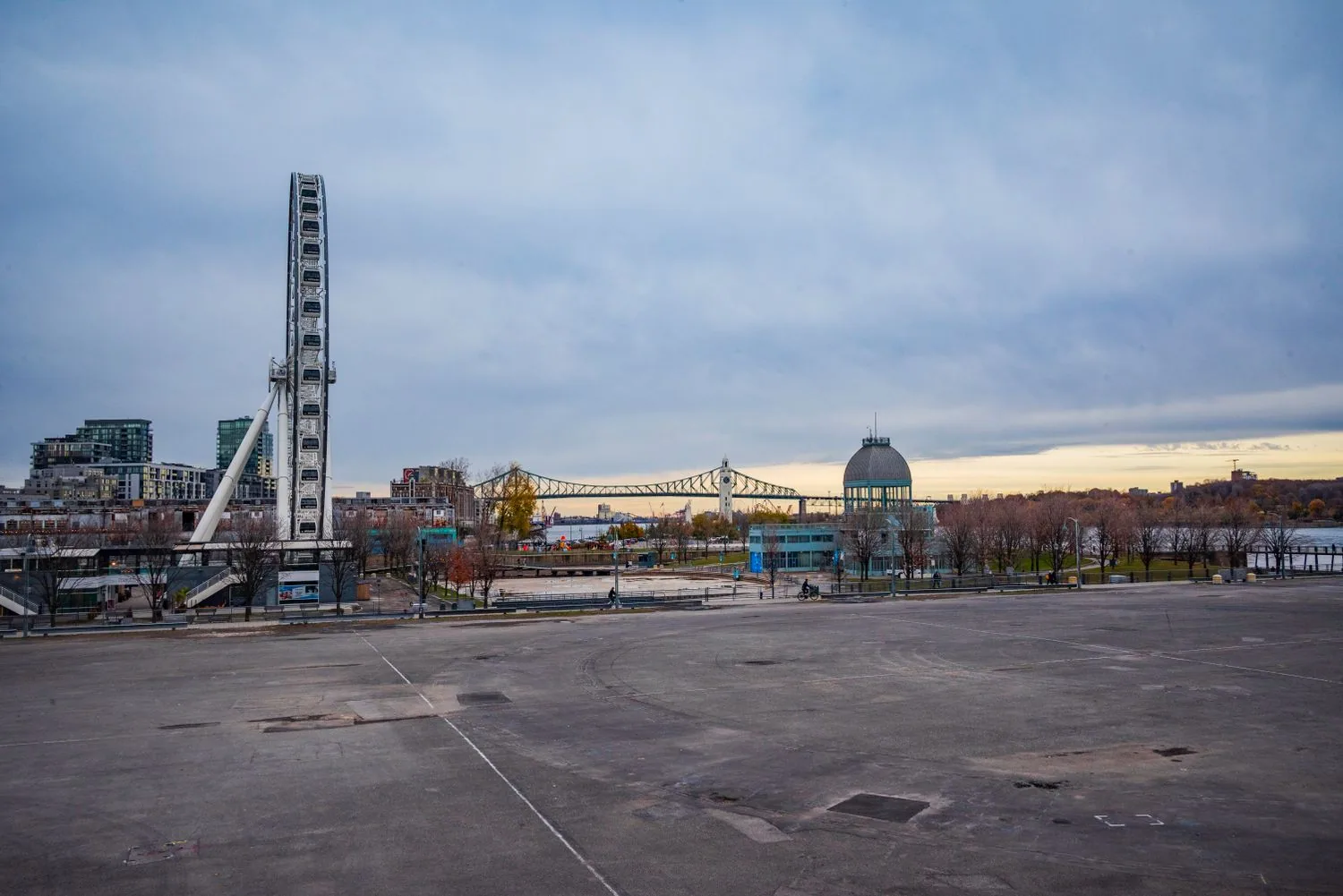
The Old Port is an easy walk from Old Montréal. Photo credits
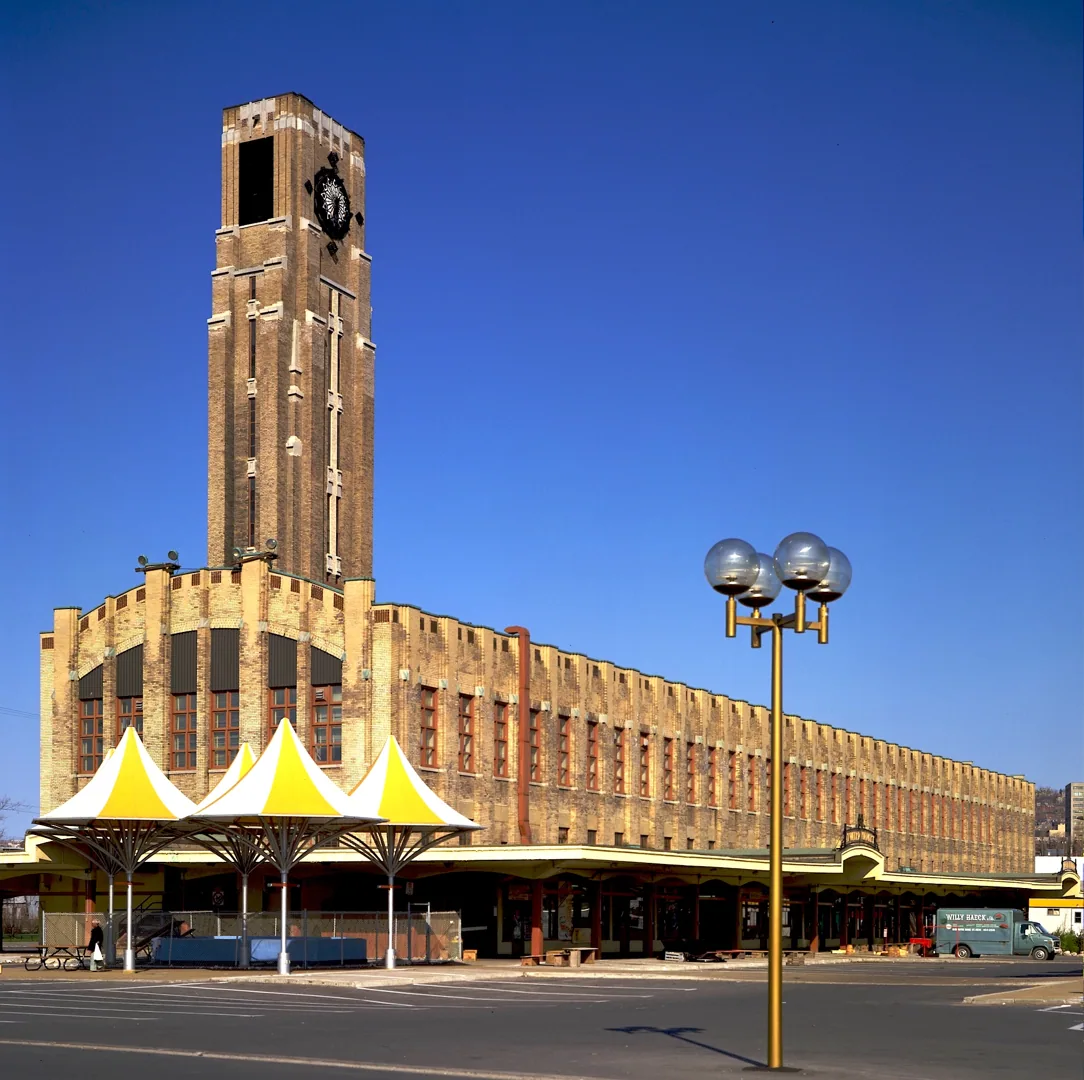
This Montreal travel guide puts the first decision before the attraction list. Stay in Old Montréal if you want the harbour and old streets after dinner, Downtown if you want a smoother airport or train arrival, or near a Plateau Metro station if your evenings are about neighbourhood meals. For a first two-day visit, give one day to the old town and one to a market or Mount Royal. The seven-day Eastern Canada rail itinerary fits that stay between Ottawa and Québec City. A third day makes room for Atwater Market or a museum at an unhurried pace.
Choose a Montréal route
Old Montréal and the river
Start at Place d’Armes and finish by the Old Port. Choose the basilica or an indoor museum around the weather.
Mount Royal and the Plateau
Put the lookout on the clearest morning. After the park, eat and walk in one neighbourhood.
A market and a canal
Start at Jean-Talon for a food day, or pair Atwater Market with a Lachine Canal walk.
Montreal travel guide at a glance
| First decision | Best starting point |
|---|---|
| One night | Old Montréal if sightseeing and dinner matter, Downtown if you arrive late or leave early. |
| Two nights | Old town and waterfront one day, Mount Royal or the market on the other. |
| Three nights | Add a third half-day around the canal or a museum and make time for a neighbourhood dinner. |
| Getting around | Walk each neighbourhood in blocks. Use Metro or an STM bus between them. |
| A poor-weather day | Keep the museum or basilica visit long enough to be worthwhile, and save an outdoor walk for a break. |
Old Montréal and the Old Port
Start at Place d’Armes. If you want to see the basilica interior, check the visit time and the entrance you need before you go. Set aside time to sit and look rather than treating it as a box to tick on the way to the river. Step back into the square and use Rue Saint-Paul or a parallel street to work down toward Place Jacques-Cartier and the Old Port. Streets can be busy, especially around weekend events. A short side-street detour is often a more pleasant use of time than a second attraction queue. Compare our 10 things to do in Montréal to choose between the basilica, city-history museums, markets and outdoor stops. Tourisme Montréal’s Old Montréal and Old Port guide

Stay by the river until the walk stops being enjoyable. The Old Port is a linear outing, so turning back early still gives you a complete first visit. The Ferris wheel and harbour provide a useful visual orientation. If you’re travelling with someone who prefers level walking, choose a short waterfront section, then plan your uphill exit in advance. The old streets above the port and the path along it make for different parts of the walk.
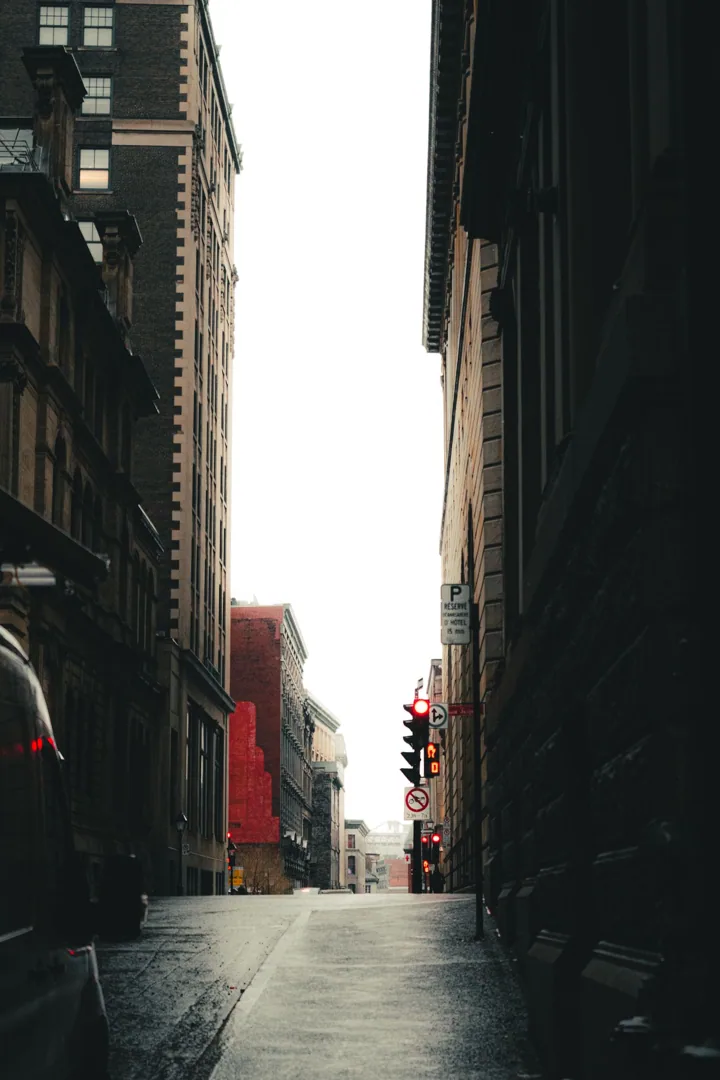
Old Montréal when the port is windy
Go to Pointe-à-Callière if you want the history underneath the streets you’ve been walking. The museum includes archaeological remains and gives the neighbourhood context for the rest of the day. Start indoors if the rain is steady. Then go around Place d’Armes or toward the port for a short walk if the weather clears. If the basilica is the one interior you came to see, protect that reservation and let the rest of the old-town loop be flexible. Pointe-à-Callière visitor overview
Mount Royal and neighbourhood food
For a first clear morning, go to Mount Royal for the city view. Check the current bus routing before leaving. The stairs and trails are optional, depending on where you approach and what conditions are like. A bus approach can save energy for walking later. Confirm the final section to your chosen lookout on a map. Allow time to come down to the Plateau or Mile End instead of booking lunch just after your expected arrival.
On the Plateau, choose one or two streets around your meal. A neighbourhood day works when there’s room for a stop you didn’t plan. If the main purpose is a particular bakery or lunch counter, check its opening day and pick a nearby fallback. On a windy or icy day, leave the mountain for later. Use the morning for a long breakfast and a museum, or pair a short walk with an indoor stop.
Mount Royal when the skyline is clear
Use the Kondiaronk lookout as the endpoint if you want the classic view of downtown. Start by checking the route to the lookout in the city’s information, since different approaches can involve different grades and distances. Leave the descent and lunch open. On a low cloud day, give the morning to a museum, the market or Mile End and keep the viewpoint for your next clear window. This Montreal travel guide works best when the view is a weather-dependent choice. City of Montréal’s Kondiaronk lookout guide
Mile End for bagels and a short food walk
Pick St-Viateur Bagel or Fairmount Bagel for a fresh sesame bagel. St-Viateur makes an easy first stop if you’re already on Rue Saint-Viateur. Fairmount is useful for pairing the bakery with Wilensky’s Light Lunch nearby. Go to Wilensky’s for its grilled sandwich with mustard if that’s the experience you want, then leave time for a short neighbourhood walk. Decide whether you’re after a counter stop or a sit-down meal before you arrive. Several stops close by make this a useful route when the park is cloudy. Tourisme Montréal’s Mile End guide
The Plateau for a lunch that anchors the day
If smoked meat is on your list, choose Schwartz’s on Boulevard Saint-Laurent and make the sandwich the lunch plan. It’s easier to handle a wait when your next stop is flexible. For poutine, La Banquise lists its classic fries, cheese curds and gravy alongside loaded versions. Choose the classic if you want to taste the original combination, then take a walk near Parc La Fontaine if the weather suits. Those two meals are on different parts of the Plateau. Let the one you choose set the rest of the afternoon. La Banquise menu
Jean-Talon, Atwater or a downtown museum
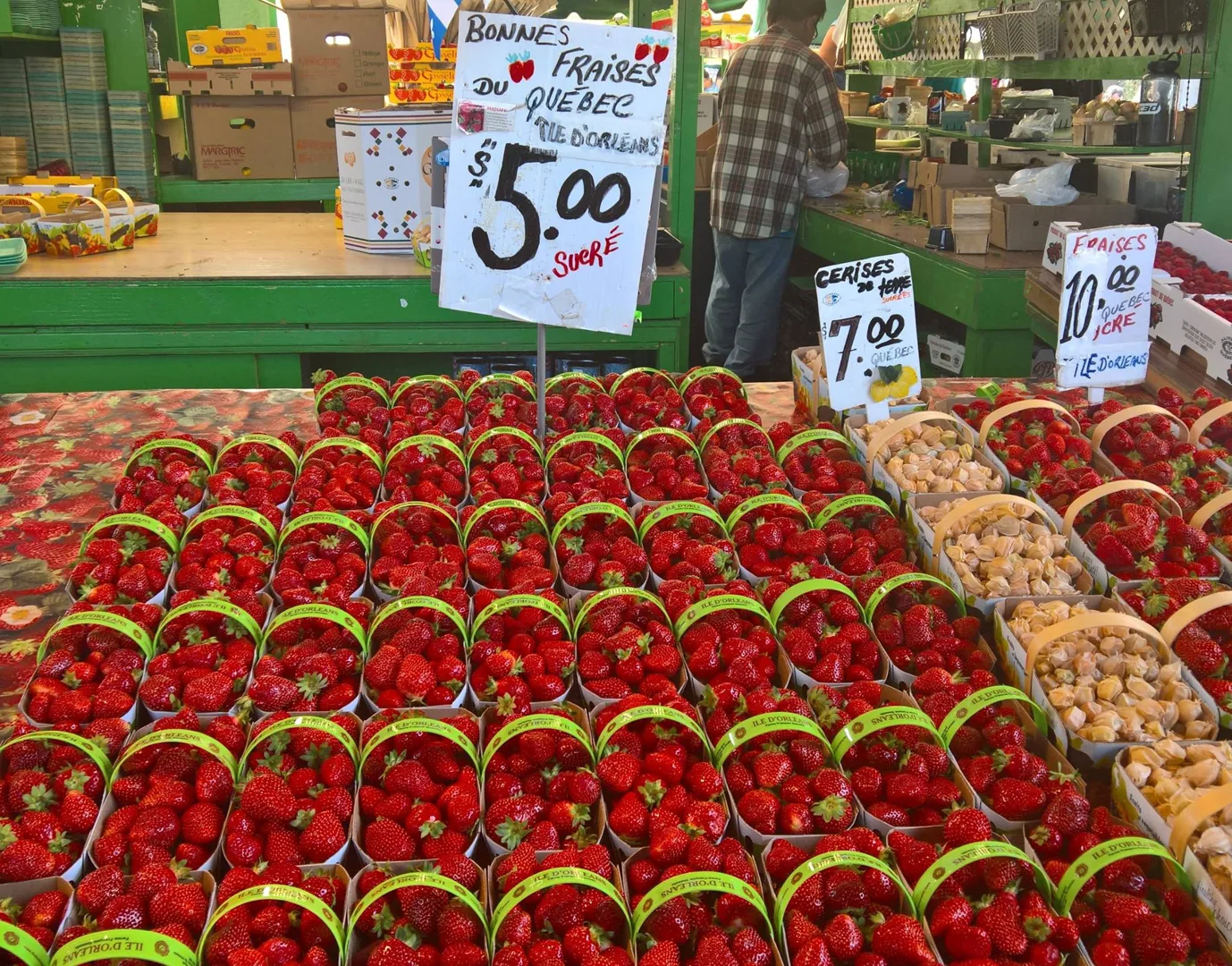
Jean-Talon Market is the one to choose for browsing produce and eating nearby. Start early enough that the stalls you came for are still open and give yourself more than a quick lap. A small group can agree on a meeting point, browse separately and choose lunch after seeing what’s available. The market works with a Little Italy walk rather than an extra Metro trip across town. Jean-Talon Market information
Atwater Market works when the canal matters as much as the food. Pick up breakfast or a snack, then walk along the canal for the time you have. A cold day is a reason to keep this walk short, not a reason to add a second market across town. Compare the city’s public markets before choosing the area.
If steady rain sets in, choose a downtown museum or another indoor stop and build lunch around that location. Look at the exhibitions for your exact date. One good indoor visit and a short walk between showers can be more satisfying than spending the whole day in transit.
Atwater or Jean-Talon for a market lunch
At Atwater Market, give yourself time to pick up something you can carry on the canal walk. An indoor seat or a nearby café is a better choice on a wet day. At Jean-Talon, browse the stalls first, then choose a snack or lunch in Little Italy. Make the market you pick the first destination of the morning. A second market can wait for another day, especially if you want to see the mountain when the clouds lift. Atwater Market visitor information
Where to stay in Montréal
Old Montréal works if you’ll spend a lot of time between the port and Place d’Armes. Test the route from your hotel to the Metro if you’ll be out of the old town most evenings. Downtown makes the station, museum and onward airport connection easier to plan. Choose a property with a straightforward walk from your arrival point, particularly after dark. The Plateau makes sense for cafés, neighbourhood meals and evenings close to the room. Its practical value goes up if the room is easy to reach from a Metro station.
Ask whether your room and entrance suit your luggage, stroller or mobility needs. Older buildings can have stairs or a short approach over uneven ground. A small difference in hotel price can buy much easier arrival and checkout days. Check the room’s cancellation terms before paying if the train or flight is still undecided. Our guide to where to stay in Montréal compares these bases with Mile End and Little Italy, including arrival routes and winter booking checks.
How to arrive and get around
From Montréal-Trudeau airport, look up the 747 bus and where it stops for your dates before choosing a transfer. Check which fare product is valid on the airport bus. If your group has several bags or arrives late, compare the total cost and time of a direct ride. For a rail arrival, use Montréal Central Station as a landmark when picking a hotel. Ask which station entrance gives you the easiest route to the property. Continuing east? The Montréal to Québec City train guide covers boarding at Gare Centrale and choosing your arrival station. Tourisme Montréal’s 747 overview · VIA Rail station guide

Plan to walk inside each neighbourhood and use transit between areas. Our guide to getting around Montréal compares the airport bus, métro and fare options, including accessibility and late-night planning. Check accessible entrances and lift service if those affect where you can change lines. Don’t turn your route into a long indoor detour just because two places look connected on a map. Keep the walk that is quickest to understand in the evening. STM visitor information
A first trip by season
In spring or fall, schedule the outdoor lookout on your clearest day and pick an indoor backup in the same part of the city. In summer, check festival dates and road or transit notices before booking a stay near a main event site. In winter, build a day around a warm indoor stop and shorter walks between it and lunch. Our Montréal winter weekend guide pairs Old Montréal and Mount Royal with museums, indoor breaks and weather-dependent skating options. The canal is worth looking at in every season when conditions permit, but an exposed walk is a different proposition after dark or in freezing rain.
A two-day plan and a third day you can add
Use day one for the old town and port, with lunch between the higher streets and the river. Spend day two on either Mount Royal and the Plateau or Jean-Talon and Little Italy. If a third day becomes available, take that time for the canal or a museum. Follow our three-day Montréal itinerary without a car for a full route through the old quarter, Mount Royal and the markets. Turning this Montreal travel guide into a two-day trip is mostly about keeping each morning in one area. Avoid putting separate timed stops on opposite sides of town late in the same day.
For a one-night stay, choose a room with straightforward storage or check-in. If you arrive by train, start downtown and work outward in one direction. If you arrive by plane, give the transfer room to run long. A museum works as a planned backup only when you’ve checked it will be open while you’re nearby. Make lunch an anchor if an attraction is closed, then take whatever outdoor walk still fits.
Use this Montreal travel guide to pick a neighbourhood
| Where to stay | Why it works | What to check |
|---|---|---|
| Old Montréal near Place d’Armes | The basilica, the old streets and the port are close enough to revisit when daylight changes. | Check slopes and paving between the room and the waterfront. Confirm where a ride can drop you with luggage. |
| Downtown near Central Station | A useful base for a late VIA Rail arrival, a museum day or an early departure. | Look up the station exit nearest the hotel and check how late reception operates. |
| Plateau near Mont-Royal station | A good fit when you want breakfast and dinner near the room and will use the Métro for the old town. | Check the actual walk to the station. If you need step-free transit, verify the full route on the STM map. |
| Mile End or Little Italy | Choose these for bakery stops, markets and neighbourhood time when the old town is a separate outing. | Compare the first and last trips of your day against where you plan to eat. |
Old Montréal near Place d’Armes
Why it works
The basilica, the old streets and the port are close enough to revisit when daylight changes.
What to check
Check slopes and paving between the room and the waterfront. Confirm where a ride can drop you with luggage.
Downtown near Central Station
Why it works
A useful base for a late VIA Rail arrival, a museum day or an early departure.
What to check
Look up the station exit nearest the hotel and check how late reception operates.
Plateau near Mont-Royal station
Why it works
A good fit when you want breakfast and dinner near the room and will use the Métro for the old town.
What to check
Check the actual walk to the station. If you need step-free transit, verify the full route on the STM map.
Mile End or Little Italy
Why it works
Choose these for bakery stops, markets and neighbourhood time when the old town is a separate outing.
What to check
Compare the first and last trips of your day against where you plan to eat.
Two short arrival routes
For an early afternoon arrival at Central Station, leave bags first and choose one outing before dinner. Downtown is the easier place to start if you have a museum or restaurant reservation nearby. For an Old Montréal start, get to Place d’Armes and work toward the river only if you still have daylight and energy. It’s easier to cut that walk short from the square than to start at the port with a steep climb left for the end.
For a late flight into Montréal-Trudeau, look up the current 747 stop nearest your hotel and what’s required for the ride. The STM lists a Zone A 24-hour fare and other eligible fares. Check the 747 accepted fares if an onward ride affects your choice. A hotel close to a usable stop can save you a second transfer with luggage. If the walk from the stop looks difficult, compare a direct ride against the combined cost and time for everyone travelling.
A short outing that still feels like a day
Start at one food stop and pick a walk nearby. In the old town that can mean Place d’Armes to the waterfront and back by one preferred street. In Little Italy it can mean the public market and lunch. Near Atwater it can mean a short canal walk from the market. Plan an accessible station route, including any elevator outage, using the STM’s current information. Keep the trip home simple if you’re travelling with children or if rain has soaked shoes by lunchtime.
A first-visit budget you can actually use
Break the trip into the hotel, arrival transfer, local fares, one paid sight and the meals you care most about. If time is tight, spend on the hotel that lets you walk from the last stop of the evening. A longer transit ride can work well in the morning, when you’re fresh and have time to find the right entrance. It matters more when you’re leaving for a flight or when the group wants to split up and rejoin for dinner.
Before boarding the train or plane, save one map for the hotel arrival, one for the next morning’s route and one wet-weather alternative. In a group, agree on a place to meet if you lose signal. Make the hotel, lunch and one possible ticket the anchors. That’s enough structure for a two-day stay and lets the rest of Montréal fit around your energy and the weather.
Continue planning
Use the Canada Itineraries index for trips that link cities, the Ontario Travel Guide if you’re going west, or the two-day Ottawa itinerary for a car-free stop on the way. Check the timing of the intercity rail trip before choosing a second hotel.
If Montréal is one stop on a longer trip, use the five-night Montréal and Québec City train route to divide the days between the two cities.
For the second stop, use the Québec City first-visit guide to choose between Upper Town and Lower Town.
Montreal travel guide FAQs
How many days should you spend in Montréal on a first visit?
Two full days give you the old town and another part of the city. Three days leave room for a market or canal walk and a weather backup.
Is Montréal easy to visit without a car?
Yes. Pick a hotel near useful transit and organize each day around a walkable neighbourhood, then take the Metro or a bus between areas.
Should I stay in Old Montréal or Downtown?
Choose Old Montréal for the historic streets and waterfront. Choose Downtown for the station, convenience and easier transfers to other neighbourhoods.
Can you see Old Montréal and Mount Royal in one day?
Yes, with a short outing in each and an available transfer. With two days, give them separate mornings so you can adjust for clouds, queues or weather.
Which public market should first-time visitors choose?
Jean-Talon is a good food-focused stop. Choose Atwater if the plan also includes walking along the Lachine Canal.
What can you do in Montréal in the rain?
Choose the basilica or a downtown museum and plan lunch nearby. Keep the old town or waterfront walk short and flexible.
Photo credits
The Old Port is an easy walk from Old Montréal · Eloi Motte · Pexels License · resized and converted to WebP
Check the basilica’s visit schedule before planning the rest of the morning · Tan Duong · Unsplash License · resized and converted to WebP
The old town is compact enough to explore in short loops · Eliezer Muller · Pexels License · resized and converted to WebP
At Jean-Talon Market, give yourself time to browse and eat · Andre Carrotflower · CC BY-SA 4.0 · resized and converted to WebP
Atwater Market pairs with a Lachine Canal walk · Colin Rose · CC BY 2.0 · resized and converted to WebP
Montréal Central Station’s entrance on rue de la Gauchetière Ouest · Hayden Soloviev · CC BY 4.0 · resized and converted to WebP