
Where to Stay in Montréal: Old Montréal, Downtown or the Plateau?
If you’re deciding where to stay in Montreal for a first visit, look at the first and last journeys of your day. Stay in Old Montréal if you want the old streets and river outside the door. Choose downtown if you have luggage, a train to catch or a museum-heavy itinerary. Choose the Plateau if the trip is about local cafés, the park and evenings on foot. Mile End and Little Italy are worth considering when food and neighbourhood time matter more than being close to the historic sights.
Choose the base that fits your trip
Old Montréal: historic streets, the Basilica and the river, with slopes and uneven paving on some routes.
Downtown: transit, museums and the easiest choice for early trains or late arrivals.
Plateau or Mile End: residential streets, cafés and evenings close to dinner. Check the walk to the station.
Little Italy: a quieter base near Jean-Talon Market if the north side of the city is where you want to spend time.
Where to stay in Montreal by neighbourhood
Old Montréal: the best short-stay base for atmosphere
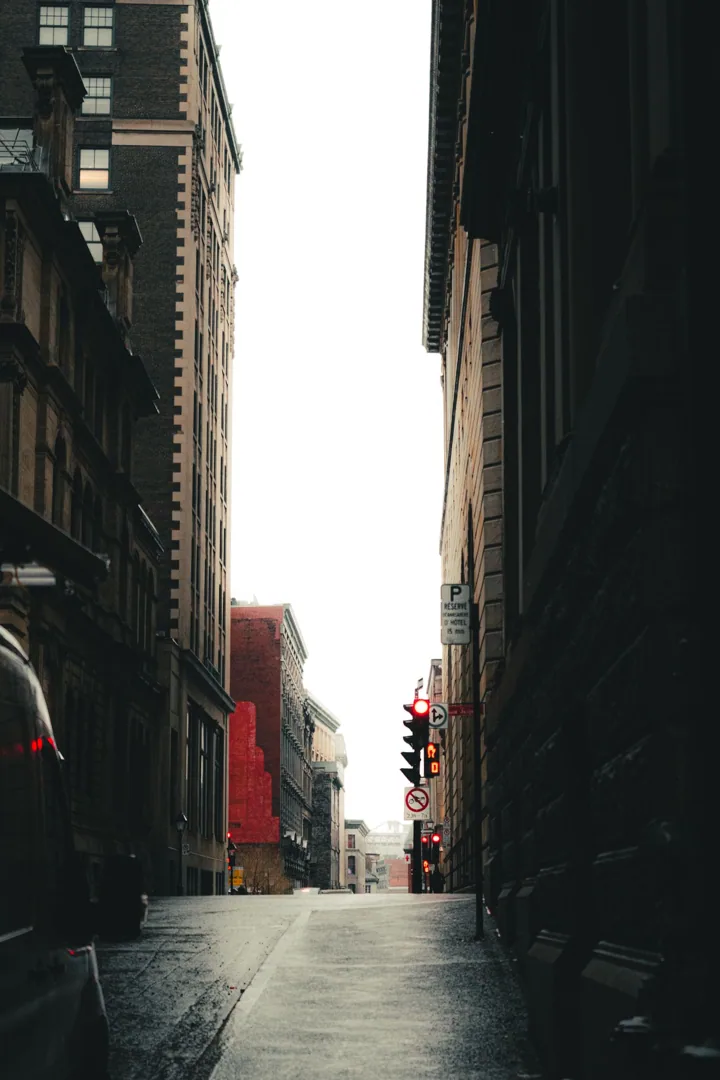
Look around Place d’Armes or toward Place Jacques-Cartier if you want to be in the old quarter every morning. The payoff is being able to walk Rue Saint-Paul before the busiest part of the day or return to the river after dinner. You can see the Basilica, the old streets and the Old Port on a single outing. This base makes sense when you’re visiting for two nights and expect to spend a lot of time in that part of the city.
Look at the specific path from your hotel to the metro. A river-facing property may be a pleasant place to wake up and still be a longer or steeper walk from the station. Look for a street-facing entrance that works with your bags. Ask about lifts and any steps from the pavement if you need them. If you’re booking a room for a quiet weekend, ask whether it faces a busy terrace or pedestrian route.
On a rainy trip, Notre-Dame and Pointe-à-Callière make two indoor options close to the hotel. Our guide to things to do in Montréal helps match nearby attractions to your interests and the weather. Compare where you’d have breakfast, too. Having a café a few minutes away matters if your group moves at different speeds in the morning. Check the Basilica visit hours if you want to stay nearby for an early visit or an evening experience.

Downtown: the easiest base for arriving, leaving and using transit
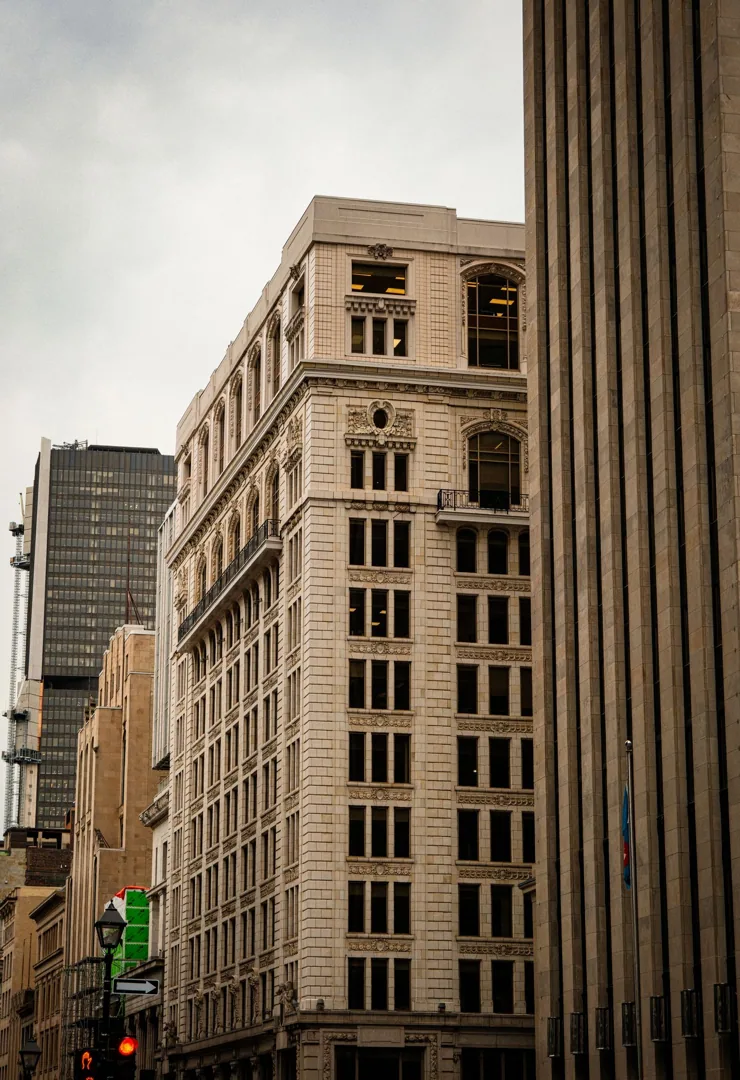
Downtown is the practical choice for Gare Centrale, museums and several metro stations. Around Peel or Guy-Concordia you’re better positioned for the western end of Sainte-Catherine and the Museum of Fine Arts. Around McGill and Place-des-Arts you’re closer to shopping and parts of the Quartier des Spectacles. Look at where your hotel is on that east-west stretch before assuming it’s convenient to everything.
Downtown is also a good winter choice. Use our Montréal winter weekend guide to match your base to short outdoor walks and indoor stops. Some hotels connect to indoor pedestrian routes or sit close to a station entrance, so you can keep outdoor stretches short. Confirm the connection before booking. A hotel that says it is near the underground city may be close to an entrance without being connected directly. If you’re visiting for a festival, check whether the event is close enough to walk back and whether a room away from the street would suit you better.
Arriving by rail? Pick an easy walk or a simple taxi ride from Gare Centrale. Arriving by air? Check the STM airport bus and accepted fare options and see whether the nearest stop is served by the trip you plan to take. After a late arrival, it’s worth having a clear last stretch to your hotel and a way to check in without watching the clock. Our Montréal transport guide explains the airport bus, métro connections and fare choices.
The Plateau: the best base for a neighbourhood weekend
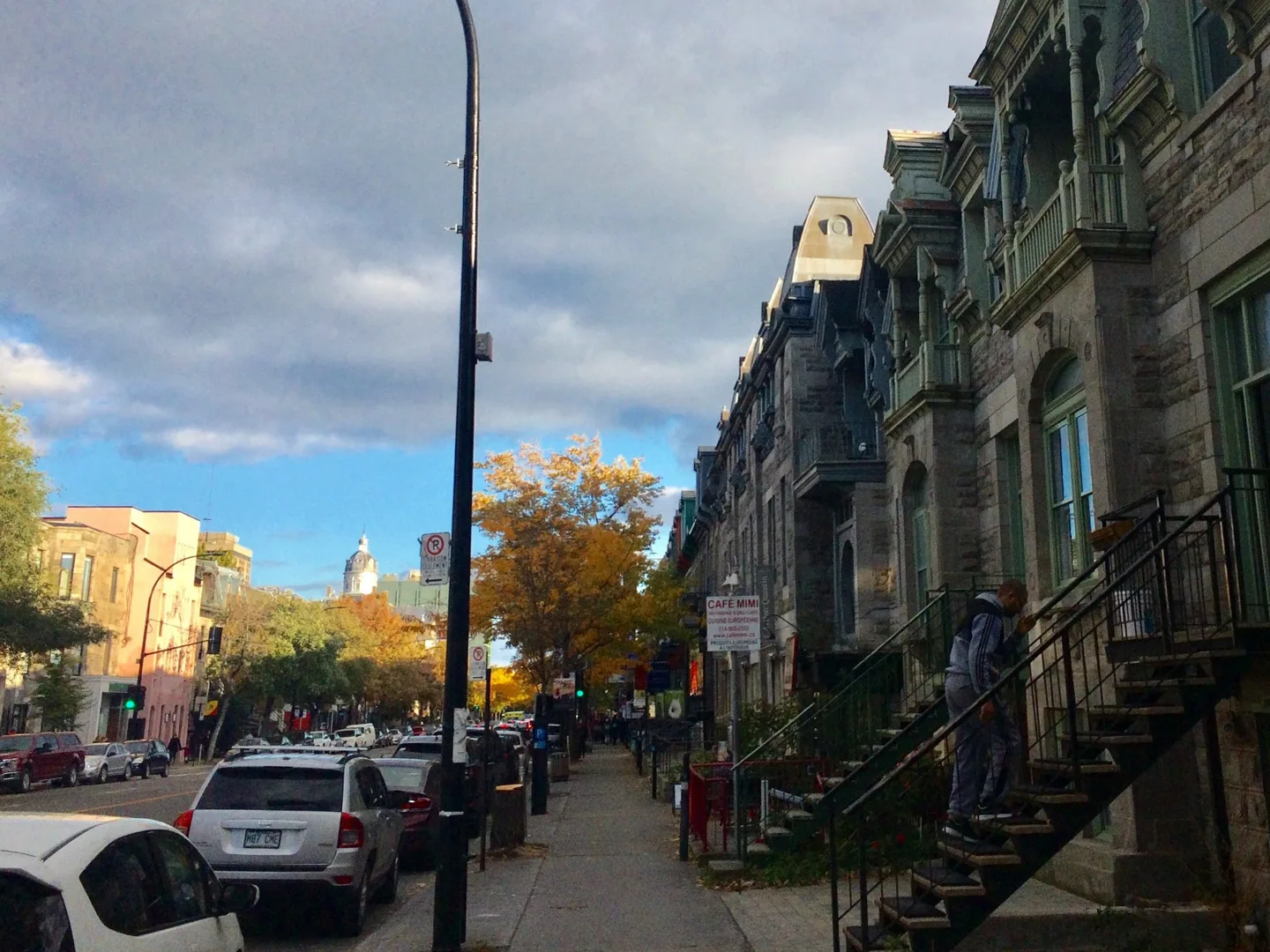
Look within a comfortable walk of Mont-Royal metro or along a bus route that suits your plans. If you want neighbourhood life as soon as you leave the hotel, check the blocks around Avenue du Mont-Royal. Walk toward Parc La Fontaine for a quieter park outing, or choose an address nearer the western side if Mount Royal is your priority. The Plateau covers a wide area, so the name alone tells you little about your exact commute.
This base works especially well if your plans include a slow breakfast, a short walk past the area’s outdoor staircases and a dinner you can reach on foot. It also suits return visitors who know the old quarter and want a different trip. If you plan to go to a downtown museum, Old Montréal and the river all in one day, expect a few more rides or longer walks than with a downtown hotel.
Check the property itself before paying. Smaller buildings can have different lift, entrance or check-in arrangements from larger hotels. If a walk-up is part of the building, ask how many stairs there are and whether the path from the street is covered. In winter, that can affect whether a charming place works for your group.
Mile End: stay near the bakeries and independent shops
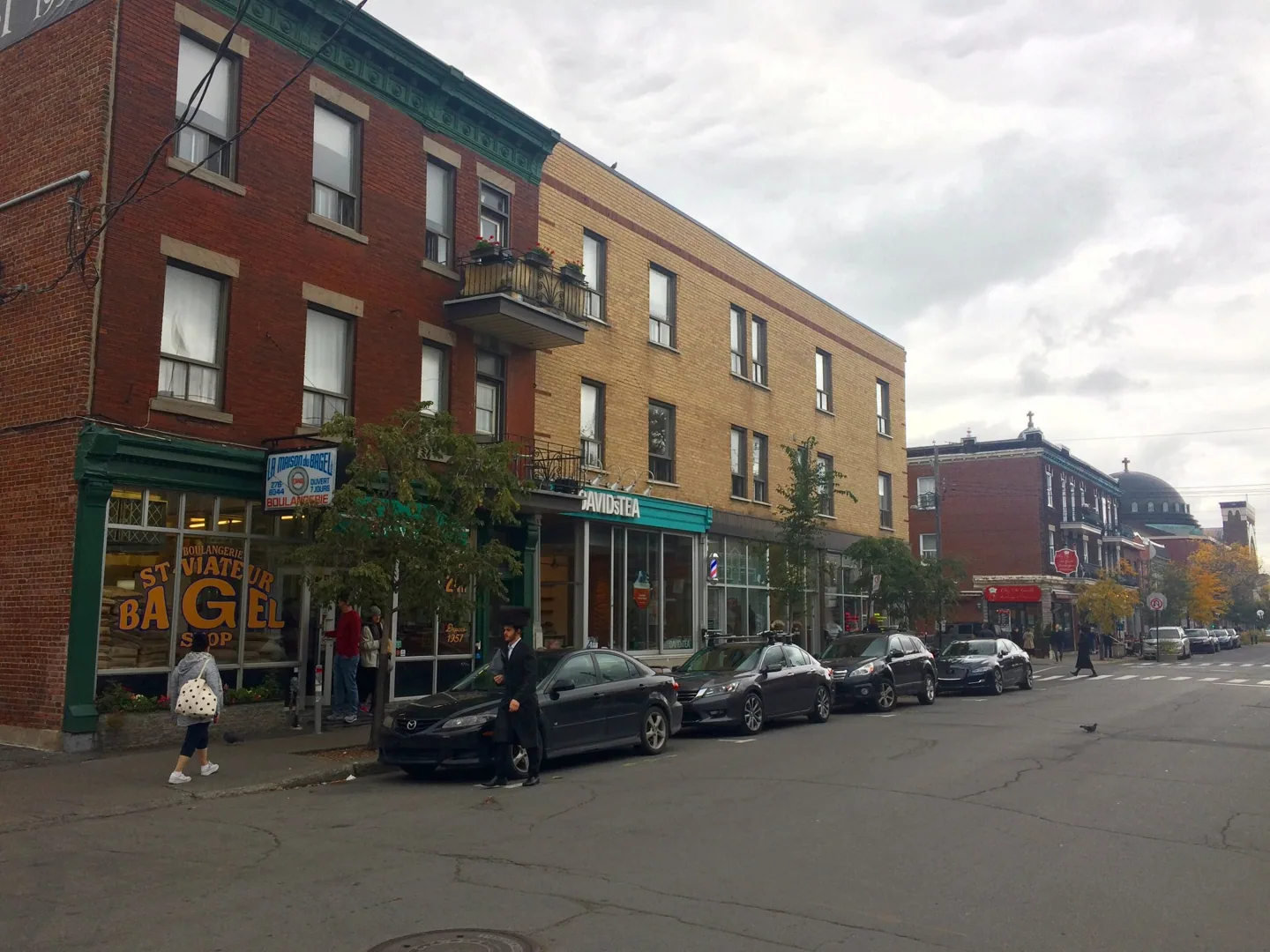
Mile End is a good choice for visitors who want to spend mornings around Rue Saint-Viateur and afternoons browsing rather than crossing off landmarks. A warm sesame bagel is a short stop worth making, and there are places nearby for coffee and a longer meal. Compare actual hotel options and the nearest useful bus stop. If you’re far from your preferred metro station, plan how you’ll get back after dinner and how long it takes to reach your Day 1 sights.
The fit depends on how you like to move around. Mile End works when you’ll happily spend an extra hour on the streets around your room. It’s less convenient for quick returns to the hotel between waterfront visits and dinner. Choose the Plateau and Mile End neighbourhood overview to get oriented, then check the actual block on a map.
Little Italy: choose it for Jean-Talon Market and a slower stay
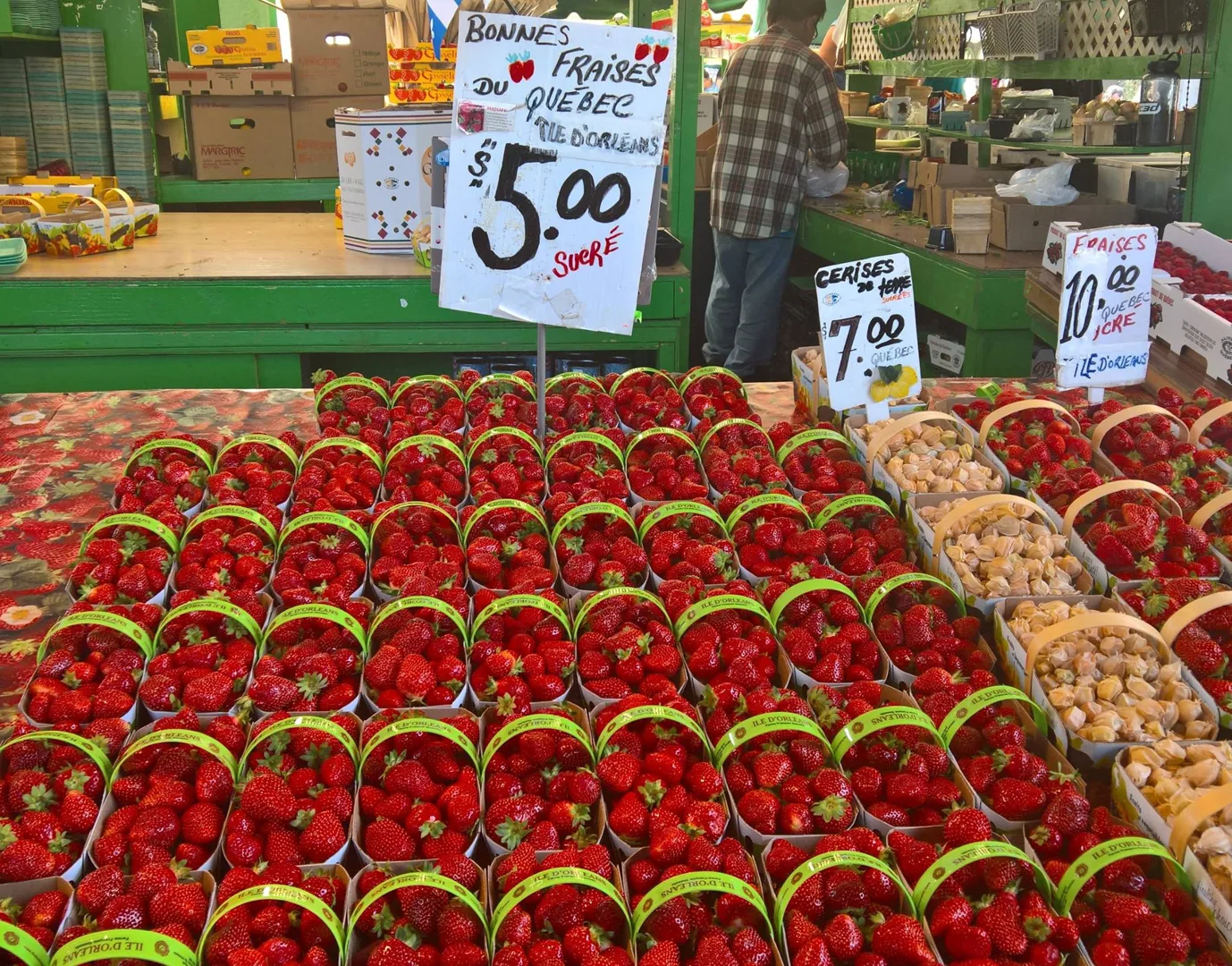
If your ideal morning involves market produce and a coffee nearby, look around Little Italy and the metro stops serving Jean-Talon Market. This area makes a good return-trip base. It’s particularly useful if you plan to see more of the city’s north-side neighbourhoods. You can still use transit to get to downtown. Check the route you’ll take on a Sunday or late in the evening if you’ll be out beyond the market’s hours.
Look at the map between your room and the market rather than assuming they’re next to each other. A hotel or rental that makes getting to a train easy may involve a different walk to the market. A short visit that is mostly about Old Montréal is easier when you stay closer to the historic quarter.
Check rates in the area you’ve picked
Compare your dates in Montréal, then check the actual walk to the métro or Gare Centrale before choosing a room.
Compare Montréal staysWe may earn a commission if you book through this link, at no extra cost to you.
What to check before booking any Montréal room
Start with the total price after taxes, cleaning and parking, and read the cancellation terms. Compare room types for the exact party. A cheaper room that requires two buses to get home or has no place to leave your bags on departure day can cost time and energy. For an early train or a late flight, ask the hotel where to enter after hours and how bag storage works. Use Tourisme Montréal’s accommodation directory to compare options in the area you’ve picked.
If you drive in, confirm the parking price, height limit, access hours and whether re-entry is included. For a car-free trip, use the STM station elevator guide to check the exits and lifts you need. In winter, a route that looks short on a map can feel longer with a suitcase. A direct trip from your room to the station is a meaningful part of the booking.
For a first two-night trip, choose Old Montréal for the historic quarter or downtown for the easiest logistics. For a longer stay, the Plateau, Mile End or Little Italy gives you time to enjoy the area without trying to commute to every meal. Check our three-day Montréal itinerary without a car against your hotel’s location before booking. Our Canada itineraries help if Montréal is one stop on a longer route, and the Canada destinations guide can help plan the next city. Staying within the province? Use our Québec travel guide to compare onward stops.
Frequently asked questions
Where should I stay in Montréal for my first visit?
Old Montréal is convenient for the historic quarter and the port. Downtown is easier if transit, museums or a train departure shape the trip.
Where should I stay in Montréal without a car?
Choose a room near a metro station or useful bus route. Downtown is a good default for transit, and the Plateau can work well if you’ll spend time in the neighbourhood.
Is Old Montréal better than downtown for a weekend?
Choose Old Montréal to walk the historic streets and waterfront. Choose downtown if you want easier access to museums, trains or a wider range of station entrances.
What is the best area for a winter stay?
Downtown is a practical choice if your room is near an indoor passage or metro entrance. Ask the property about direct connections and hours.
Is Mile End a good area for a first visit?
Yes, if cafés and neighbourhood time matter most. Allow more time to reach Old Montréal and check the bus or metro route from the actual address.



One Comment