
Château Frontenac above the St. Lawrence River · Photo credits
Start this Quebec travel guide with the number of nights you can spend there. One city fills a long weekend. Five nights are enough to see Montréal and Québec City by train. With a week, you can spend longer in both cities or trade two city nights for a region where you’ll want a car.
Pick a route by trip length
3 nights · Pick one city
Choose Montréal for markets and neighbourhood dinners, or Québec City for river views and old-town walks. Stay in one city for all three nights, without an intercity transfer.
5 nights · Two cities by train
Spend three nights in Montréal and two in Québec City. Reserve part of the transfer day for the train, station journeys and hotel check-in. Use the Montréal to Québec City train guide to compare departure times and arrival stations.
7 nights · Slow down or add a region
Spend longer in Montréal and Québec City without a car, or replace two city nights with one region such as the Laurentians or Charlevoix. Plan regional transport before booking. For a car-free week that also takes in Toronto and Ottawa, follow the seven-day Eastern Canada rail route.
Choose your trip
| If your trip looks like this | Build it around |
|---|---|
| A long city weekend | Pick Montréal for markets, food and neighbourhoods or Québec City for a compact historical core, river views and a short excursion. |
| Five to seven nights without a car | For five nights, spend three in Montréal and two in Québec City. For six, split them three and three; for seven, allow four in Montréal and three in Québec City. Take the train between cities and leave the transfer afternoon flexible. |
| A week with hiking or foliage | Choose one road-trip region in addition to a city. Let the exact trail, park sector or lake decide where you sleep. |
| A winter first visit | Choose a hotel near your evening plans, build one warm indoor stop into each day and treat hill walks as weather-dependent. |
| A return visit | Add the Laurentians for trail and lake time, Charlevoix for the St. Lawrence landscape or the Eastern Townships for villages, food and shorter drives between stops. |
Compare cities and regions
Deciding between the two cities? Compare Montréal’s neighbourhoods and markets with Québec City’s old town and riverfront. If you have five nights, go straight to the two-city train itinerary.
Montréal for neighbourhoods, markets and late dinners
Start with Old Montréal if you want the riverfront and stone streets at your door. Choose Downtown when station access, a daytime museum and fewer transfers matter most. Choose the Plateau if your best evenings involve eating near the hotel and walking residential streets. A close Metro entrance is worth more than a map pin that simply says “central.” Compare the actual walk from the station to the hotel at the time you’ll arrive. Our Montréal lodging guide compares neighbourhood bases and the room, parking and arrival details to check before booking. Bonjour Québec’s Montréal overview
Use the Montréal Travel Guide for a first visit built around Old Montréal, Mount Royal and the markets.
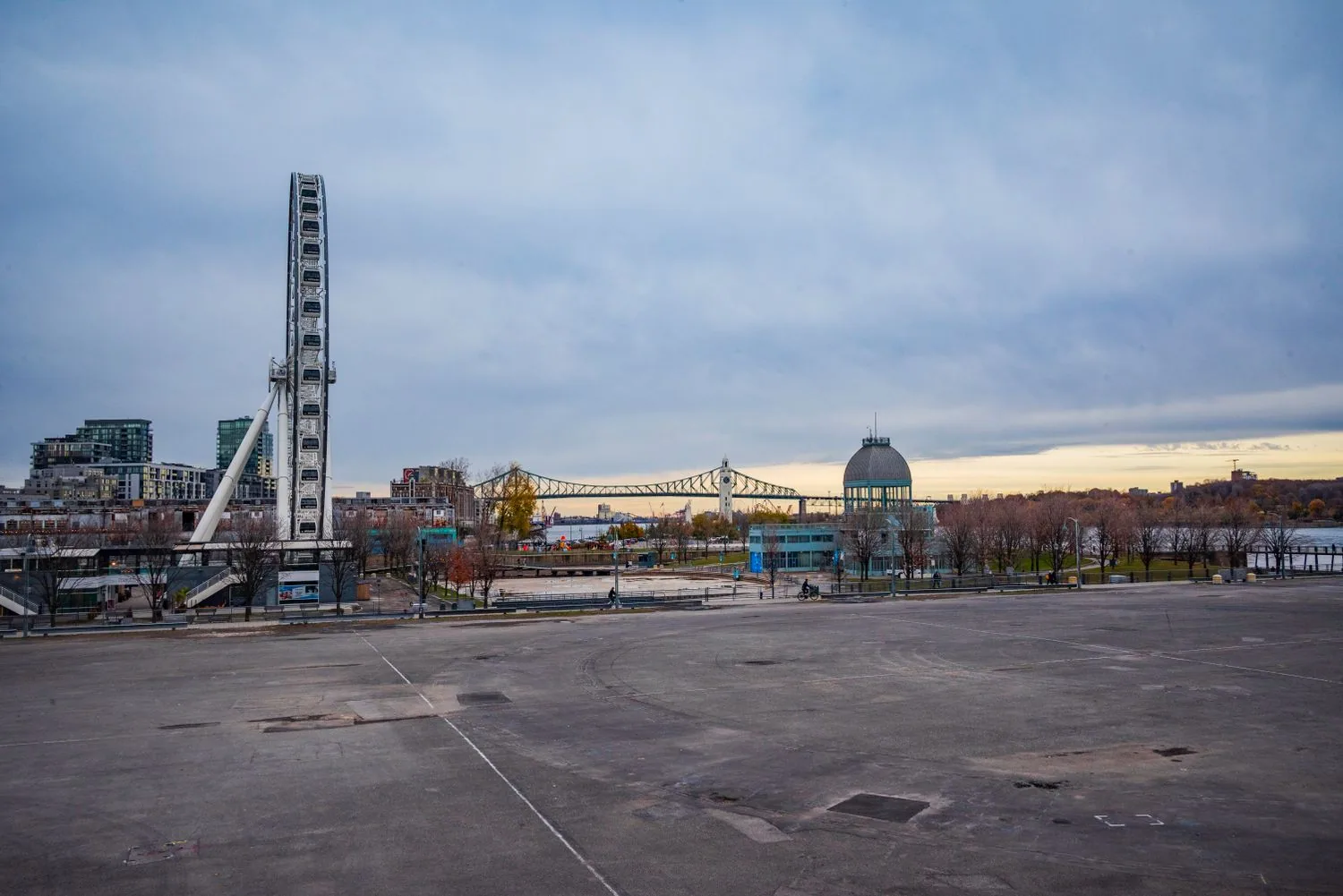
For a first full day, pair Old Montréal with the Old Port. If you want to see the basilica interior, check its visit times before planning the rest of the morning. At the waterfront, turn back when you’ve had your fill rather than crossing town for another headline landmark. On a separate morning, start at Jean-Talon Market when you can stop for breakfast and browse instead of making it a 15-minute photo stop. Save Mount Royal for the clearer half of your stay. A good weather swap is a museum or a longer indoor lunch. Give the local day enough space to feel different from the Old Montréal day. Use our Montréal sights and activities guide to compare museums, markets and park outings before choosing each day’s main stop.
Québec City for old streets, steep lanes and the river
Upper Town works well for the fortifications, Terrasse Dufferin and evenings near the historic core. Lower Town is a better fit for Place Royale, the Old Port and easier access to the station on arrival. Saint-Roch can work if you want a neighbourhood dinner and are comfortable making the daily trip uphill or taking a bus. Choosing based on your evening plans usually works better than choosing based on one sightseeing stop. Compare the areas in our Québec City lodging guide. Gare du Palais is in Lower Town, so account for the climb if you arrive with a suitcase. Visit Québec City’s transport and neighbourhood connections
Use the Québec City Travel Guide for Upper and Lower Town walks and a car-free plan for Montmorency Falls.
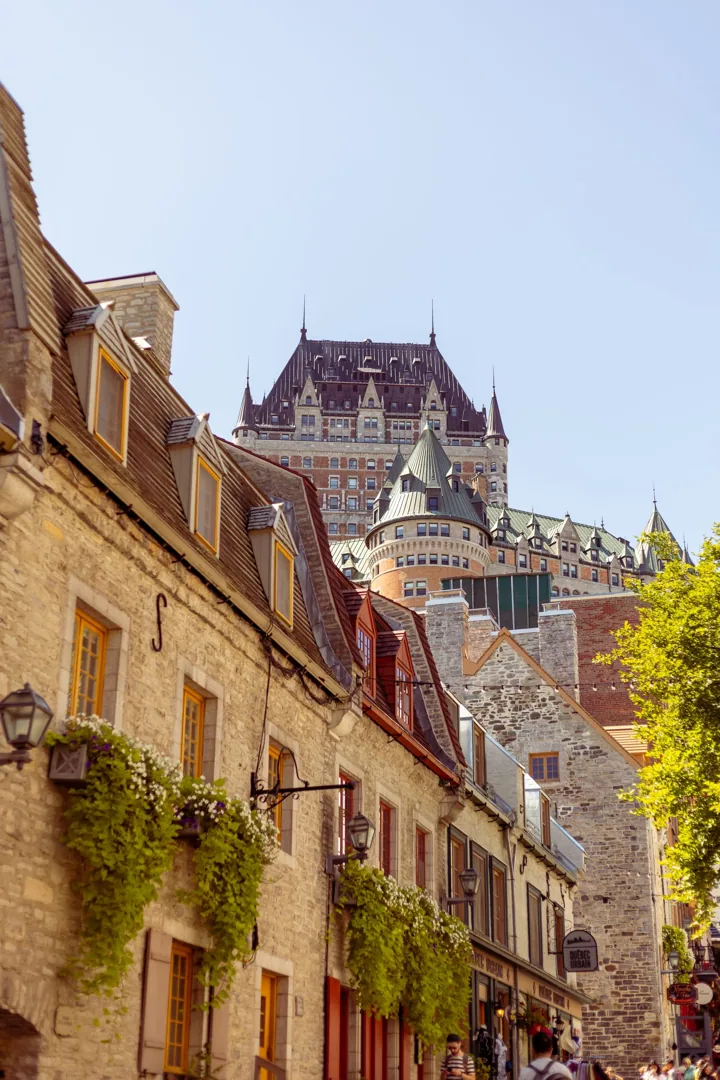
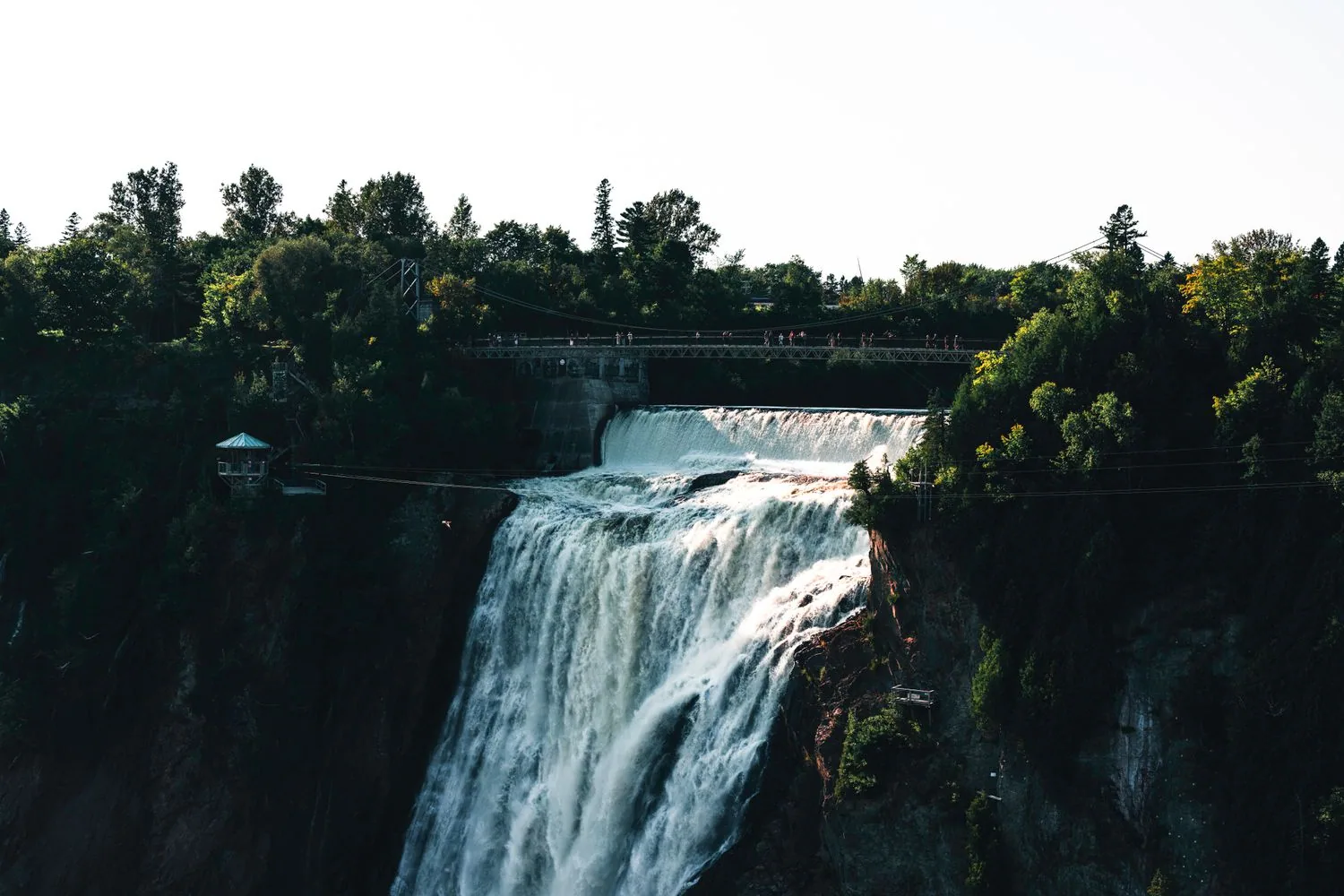
For the first full day, start on the same level as your hotel. The Québec City things-to-do guide helps you choose sights that fit each level. Give one stretch to Upper Town and another to the Lower Town streets. The funicular can connect them when running. If you’re managing stairs, crowds or icy pavement, pick one level at a time. Leave a second morning for Montmorency Falls if conditions and transport fit. Check our Montmorency Falls transport and entrance guide before choosing the route. Decide whether you want a viewpoint, the stair route, or a seasonal attraction before leaving. The falls are a different excursion from the city walk and deserve their own time. Sépaq’s Montmorency Falls visitor information
The Laurentians for a lake or trail weekend
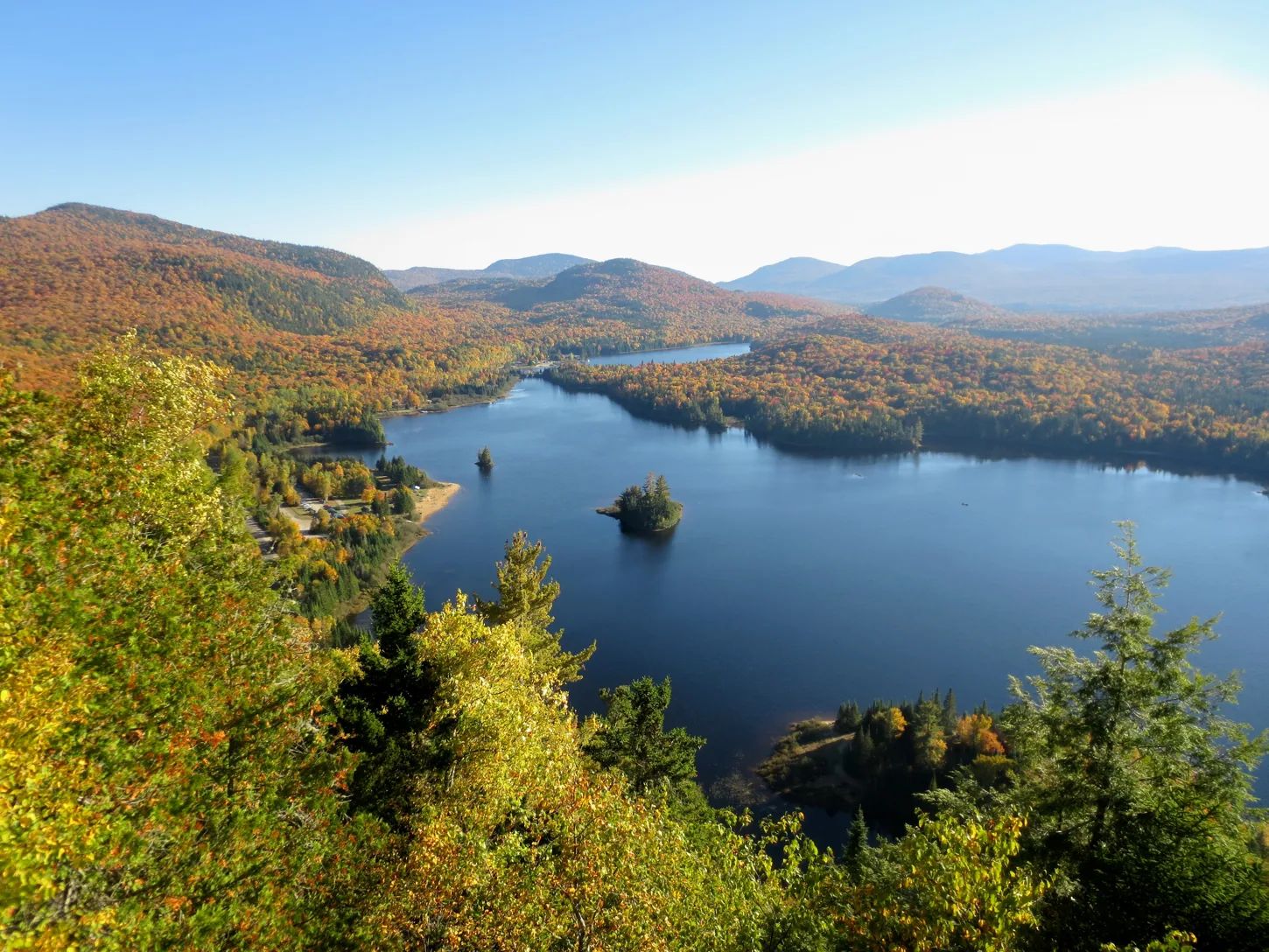
The Mont-Tremblant resort village, downtown Mont-Tremblant and Parc national du Mont-Tremblant are distinct places. A village room puts you close to resort dining and activities. A park day starts with the sector and trailhead, so map the actual entrance before picking a hotel. Sépaq lists sectors including La Diable, Pimbina–Saint-Donat and L’Assomption. Set the location of the first trail or activity before you spend time comparing accommodations. For a weekend split between town and park, give the park a full morning and keep dinner close to where you sleep. Sépaq park entrances and directions
Charlevoix for river views and a slower drive
Put Baie-Saint-Paul or the La Malbaie area on the map first, then build around a place you genuinely want to spend the evening. Between these areas a drive that looks short on paper can gain hours once you add a riverside walk and lunch. For a first visit, one full day in the region is better spent on a small number of well-spaced stops. If you’re considering an outdoor excursion, check its opening and the weather separately from your hotel booking. A car is often the useful tool for a particular set of stops. If you’re travelling without one, confirm the timetable and how you’ll reach the last attraction before choosing an overnight. Québec’s regional travel directory
The Eastern Townships for village stops and local food
Choose a short route such as a Magog base with one additional stop in the North Hatley or Sutton area. The best day has time to sit down for lunch and walk a main street. A winery lunch and a trail can fit the same day if you’ve checked driving times, reservation windows and who will drive. The Townships work well as a second Québec visit or as the rural portion of a longer Montréal trip. Check which producers and restaurants are open on the day you’re travelling, especially outside peak season. Bonjour Québec’s Eastern Townships guide
Build a 3-, 5-, or 7-night route
3 nights: choose one city
Montréal: Use arrival day for the neighbourhood around your hotel. Give the next morning to Old Montréal and the riverfront. Use the following day for a market and one nearby neighbourhood. Save the best-weather morning for Mount Royal or an outdoor walk. A long weekend changes shape quickly when flights are late. Leaving one afternoon open makes the trip easier to rearrange. Our three-day Montréal itinerary organizes these stops with transit connections and weather alternatives.
Québec City: Follow the two-day Québec City itinerary and give one day to the Upper Town and Lower Town walk. Use the second for the falls or a museum plus a different neighbourhood. On a clear day, the Québec–Lévis ferry can be a simple way to see the city and Cap Diamant from the river if the sailing schedule and conditions work. Confirm the crossing and return before walking to the terminal. Québec–Lévis ferry timetable
5 nights: Montréal and Québec City by train
Spend three nights in Montréal and two in Québec City. Two mornings in Montréal give you room for both Old Montréal and a market or neighbourhood. On transfer day, check out without rushing, take VIA Rail from Montréal Central Station, and choose Québec / Gare du Palais if your room is in or near Old Québec. Budget about three and a half hours on the train, plus transfers. Keep arrival to an easy walk once you’ve dropped your bags. The next day is your full Québec City day, with the falls best saved for a later departure or an extra night. VIA Rail’s Montréal–Québec route
If you can fly into one city and out of the other, compare the full airfare and ground costs before picking that plan. If your return flight is from Montréal, price the rail or coach return first and leave room for delays. A final night in Montréal can be the practical choice for an early onward departure.
7 nights: add a region or give each city more time
For a car-free week, spend four nights in Montréal and three in Québec City, keeping the train transfer between them. If a regional outing is the priority, replace two of those city nights with two nights in the Laurentians or Charlevoix rather than adding extra hotel moves to every day. Choose the exact town, trail or lake first and check how you will reach it. A car is useful for spread-out stops; confirm any car-free service and the journey from its stop to your accommodation before booking. Treat rental pickup and the regional transfer as part of the travel day. A slower two-city week is the simpler alternative when weather, walking distances or extra transfers would make the regional plan difficult.
Use the Canada itineraries index to compare trip lengths. If you’re bringing a Québec stay into a longer trip west, connect it to the two-day Ottawa itinerary and the three-day Toronto itinerary according to the actual rail schedules.
Getting to Québec and getting around
Montréal and Québec City airports
If you arrive at Montréal–Trudeau (YUL), the STM 747 serves downtown. Look up your exact stop before choosing a ticket. Our Montréal transport guide explains the 747, local métro connections and fare choices for the city portion of your trip. The airport also provides a route to nearby Dorval railway station. Check whether the VIA itinerary you want stops at Dorval, and leave a buffer between a flight and a train when booked separately. If you arrive at Québec City Jean Lesage (YQB), local route 80 serves Saint-Roch with onward connections. Compare it with a taxi if you’re taking bags uphill or landing late. A first night can feel much easier if hotel check-in and dinner are already within reach. Montréal airport bus · Québec City transport guide
When to use the train and when to rent a car
Build a rail itinerary around the two proper station names and the locations of your hotels. Sainte-Foy suits some west-end stays. Gare du Palais keeps historic Québec close. Compare both directions, bag rules and fare flexibility before paying. If a coach has a much better timing for your return, price it against the rail option that day. If a car would only be sitting in a garage while you explore Montréal and Old Québec, save the rental for the rural leg. Add parking and the drop-off fee, if any, to your actual car budget. Orléans Express · VIA Rail fare rules
Station transfers and accessible routes
Preview a train station’s accessible entrance before relying on a particular escalator, underground corridor or pickup point. In Québec City, the greatest surprise may be the hill, even when the map suggests a short walk. In Montréal, confirm the elevators for the specific Metro stations that your route needs. If you’ve planned around a mobility aid, give the first transfer extra time and confirm assistance with the operator. For a day with uneven surfaces or steep pitches, build a shorter route on one level with an indoor stop within easy reach.
When to visit Québec
Late spring: Give city walks some flexibility around rain. It’s a good time to keep the trip focused on food, museums and street life, then add an outdoor stop when conditions suit. For the rural routes in this Quebec travel guide, check trail surfaces and seasonal closures before assuming a path is ready.
Summer: Choose a city stay for longer evenings and outdoor meals. Add early starts for popular trailheads or busy attractions. In Montréal, major events can change the accommodation price and the time it takes to get around. Price the room first if you’re travelling on a fixed weekend.
Fall: Use flexible dates for foliage. Elevation, longitude and weather all affect colour. Use the fall route in this Quebec travel guide as a starting point. A good foliage trip still works when the trees are early or past peak. Plan a village meal, a lake or river view and an alternate walk in case a park entrance or trail is unavailable.
Winter: Build around one outdoor stretch at a time. Freezing rain and ice can change what feels practical in Old Québec. A Montréal museum and market day still has a clear plan in poor weather. Follow our Montréal winter weekend itinerary for short outdoor routes, indoor alternatives and skating-status checks. Check activities and festivals with their organizers and choose shoes for your footing, especially on steep streets. In the capital, the Québec City winter weekend guide pairs terrace walks with indoor stops.
What to budget and book first
Plan your first evening
Put the name of the arrival station or airport on one line beside the actual hotel entrance. Then pick one thing you can do within a short walk of the hotel after dropping your bags. In Montréal that could be a meal and a loop along the Old Port if you are staying near the river, or dinner in the Plateau if you are staying there. In Québec City, choose a single level of the old city for that first walk. If you arrive late, your hotel neighbourhood becomes the evening plan. Save the attraction with an admission time for your first full day.
Adapt this Quebec travel guide for kids, short walks or rain
Give everyone a clear point where they can shorten the route. In Montréal, that might be going back to the hotel after lunch instead of crossing town for another neighbourhood. In Old Québec, it could mean doing the waterfront and museum on one afternoon and the terrace and fortifications the following morning. If your party splits for a longer hike, agree on a café or visitor centre where you can meet without relying on phone service.
Book the expensive parts in the right order
Start a trip budget with rooms, intercity transport, local rides, food and one paid activity per day. Price those pieces using the same dates. Include taxes and hotel parking when comparing rooms. If the cheapest lodging adds daily rides, redo the comparison with those rides in it. Spend more on a shorter walk from the hotel when you’ll be coming back late or carrying a lot of gear. Where you sleep can affect the trip every day, unlike one admission ticket.
Book the dates and return leg first. Then pick the hotel neighbourhood, one expensive or fixed-time activity and any rental needed for rural days. A rainy-day alternative should be near the original route so you can switch after breakfast. If a parks reservation falls through, choose a different trail or a scenic village day. Keep the route geographically small enough that you get to enjoy the stops.
For food, choose one meal that fits each route. In Montréal’s Mile End, pick up a sesame bagel from St-Viateur Bagel if you want a quick breakfast that leaves room for a market lunch. In Québec City, lunch at Le Chic Shack works after Terrasse Dufferin if you want a burger or a poutine without leaving Upper Town. Check current hours and menus. If you’ve spent the day down by the river, choose a Lower Town meal and make the uphill return once.
Quebec travel guide checklist before you book
Use French place names on saved maps and note both the station name and the street address. “Bonjour” is a straightforward way to start an interaction. Carry a card for most purchases, a small cash backup and a charged phone. Download your tickets and reserve hotel addresses offline if relying on eSIM data. When packing winter layers, choose something you can remove indoors. On a two-city trip, carry a bag you can lift and move without help unless you’ve planned assistance.
Save this Quebec travel guide alongside your ticket and hotel addresses. For other trips in the same part of Canada, browse the Canada Travel Guides or use the Things to Do in Canada index to start with an activity. To plan another province, compare the route lengths and seasonal logistics in our Ontario Travel Guide. Browse the Canada destinations directory for more places to build a trip around.
Quebec travel guide FAQs
How many days does this Quebec travel guide recommend?
Allow three nights for a single city, or five to seven nights for Montréal and Québec City together. Add time if you want a rural region, a park day or a slower pace between cities.
Should I choose Montréal or Québec City for a weekend?
Choose Montréal for neighbourhood food, markets and an urban weekend by Metro. Choose Québec City for the fortifications, a compact historic core and river views. Base the decision on which experience you want most.
Can I follow this Quebec travel guide without a car?
Yes. Montréal and Québec City work together by train and local transit. For rural regions, check the specific trailhead, town or activity first, then decide whether the journey needs a car.
Which train station should I book for Old Québec?
Choose Québec, or Gare du Palais, for Old Québec and the Old Port. Sainte-Foy can be more convenient for the west end. Some hotels near Terrasse Dufferin are uphill from Gare du Palais.
Is winter a good time for a first visit to Québec?
It can be if you build short outdoor stretches around indoor stops and are willing to adjust for footing, temperature and visibility. Stay near where you want to eat and spend your evenings.
Which part of this Quebec travel guide works as a mountain weekend?
Choose the Laurentians. You can visit the resort village and the national park on one day if you focus on a single park sector and a short outing. A longer hike or a fixed-time activity can be reason to give each its own day.
Photo credits
Old Québec above the St. Lawrence River · Parnika Kaushik · Unsplash License · resized and converted to WebP
The Old Port is an easy walk from Old Montréal · Eloi Motte · Pexels License · resized and converted to WebP
Upper Town is uphill from the Lower Town train station · David Montanari · Pexels License · resized and converted to WebP
Lac Monroe in Parc national du Mont-Tremblant · Samx Neuftrois · CC BY-SA 4.0 · resized and converted to WebP
The suspension bridge above Montmorency Falls. Choose a viewpoint that fits the weather and your walking route · Ali Kazal · Pexels License · resized and converted to WebP
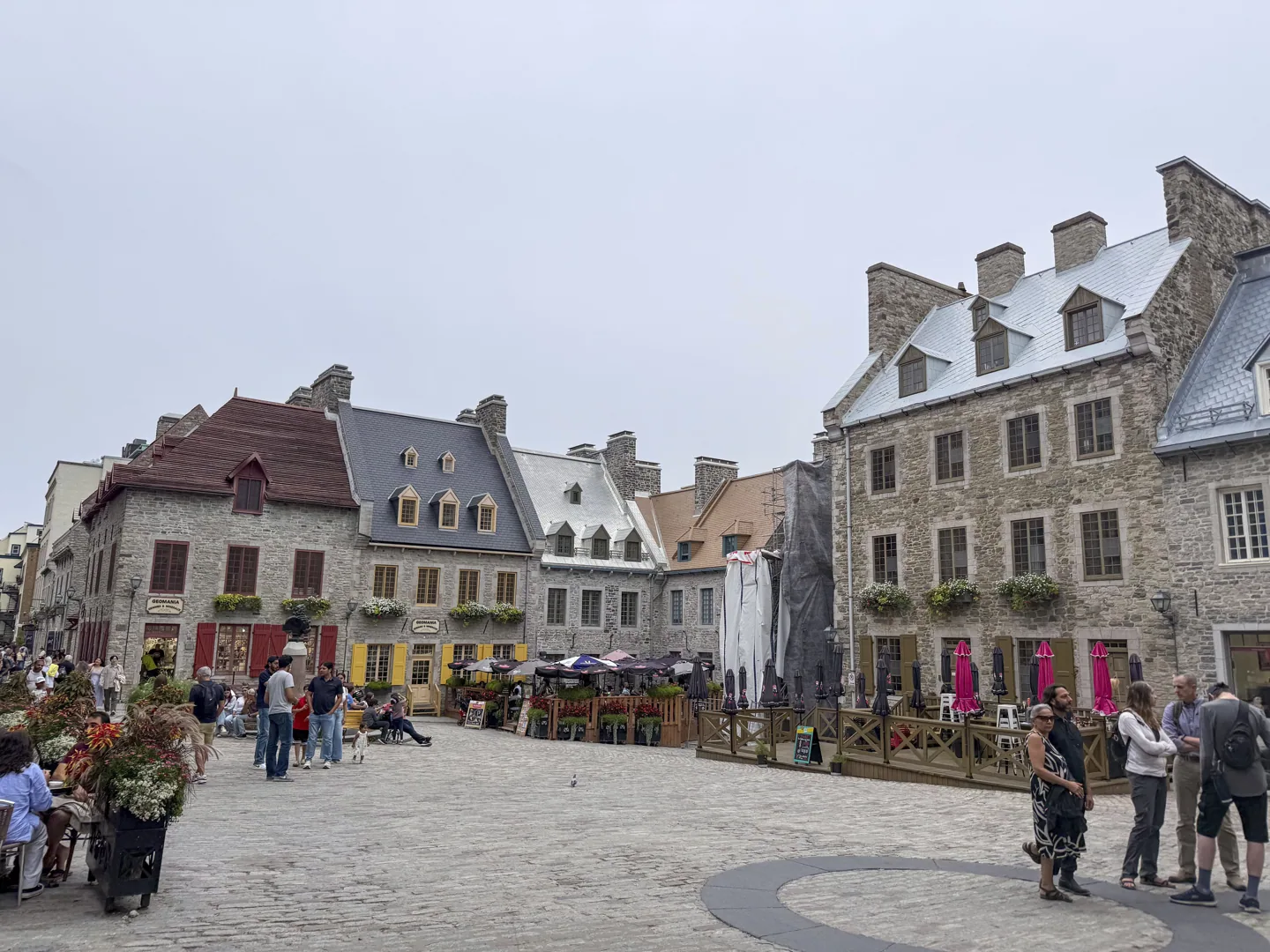
Place Royale · Hayden Soloviev · CC BY 4.0 · resized and converted to WebP